Below the line
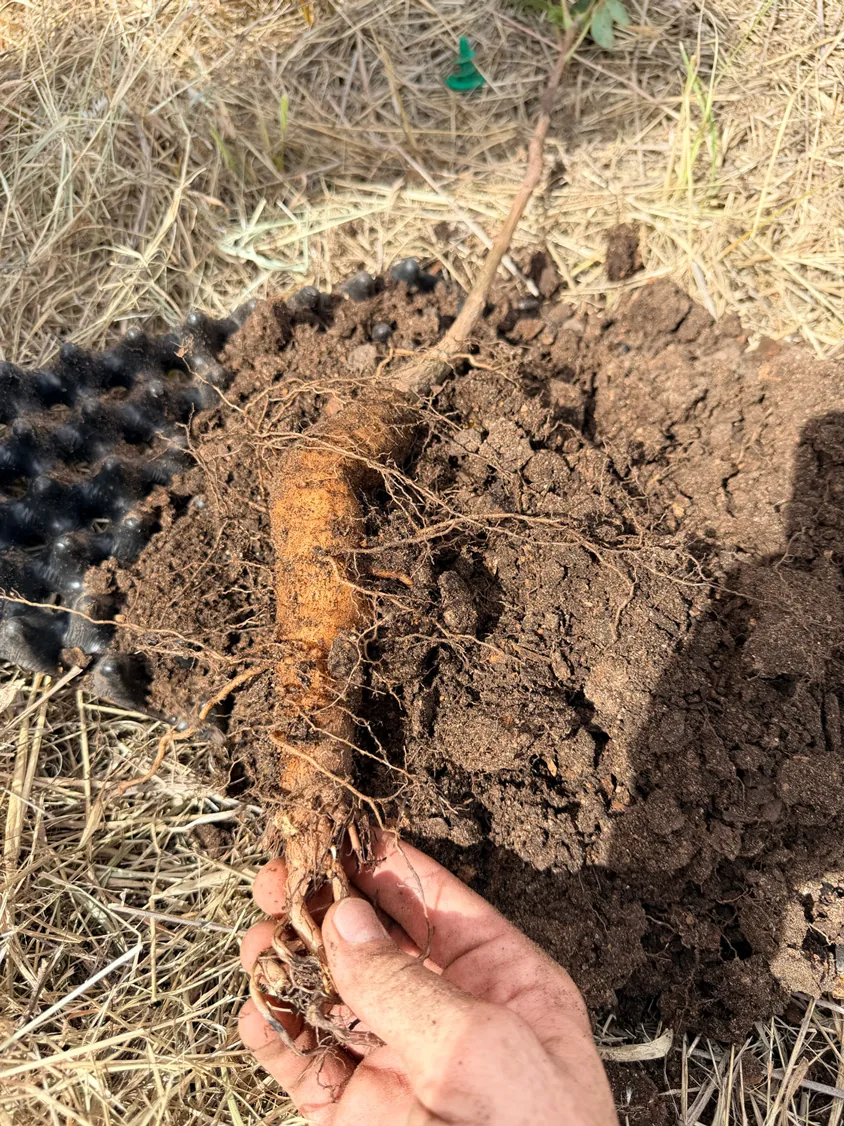
A Verra-registered ARR carbon project under validation. VM0047. CCB Gold Level. 40,000 hectares.
The land is degrading. Without intervention, it keeps degrading. That is the baseline. That is what we are here to change.
Applied under a grouped project structure that allows initial Project Activity Instances to be registered and scaled progressively across the catchment. A census-based approach is used in residential and cropland areas. An area-based approach is applied in reforestation zones.
Three years of pre-development work precede any tree in the ground: scoping, feasibility, PDD authorship, stakeholder engagement across six Traditional Authority chiefdoms. The PDD was registered on the Verra registry as VCS 5375 and is under validation, targeting CCB Gold — Climate and Community.
| VCS Project ID | 5375 |
| Standards | VCS v4.7 + CCB Standards v3.1 |
| CCB Level | Gold — Climate and Community |
| Validation / Verification Body | Independent VVB · Appointed |
| Status | Under Validation |
| Crediting period | 1 January 2026 – 31 December 2066 · 40 years |
| Monitoring commitment | 100 years |
| Methodology | VM0047 v1.1 |
| Leakage module | VMD0054 |
| Additionality tool | VT0008 |
| Registry | Verra VCS 5375 ↗ |
The Sabie and Sand River catchments are experiencing active degradation. Population growth, subsistence agriculture, and vegetation loss have destabilised soils across the mid-catchment. No equivalent organised planting programme operates at catchment scale.
The project does not displace existing land use — it fills the gap the degradation created. Land conversion has not taken place as part of any masterplan. Replanting is small-scale and not covered by any existing offset mechanism.
The science is not new. The mechanism to act on it is.Figures sourced from the C4 EcoSolutions carbon sequestration model, applied in the PDD. These are ex-ante projections from the validated methodology. The project is operational from January 2026. First credit issuance is projected from 2029 onwards.
| Phase 1 | |
|---|---|
| Project area | ~40,000 ha |
| Trees planted | ~2.5 million |
| Cropland density | 100 trees / ha |
| Homestead density | 50 trees / ha |
| Gross ER (40 yr) | ~9.3 million tCO₂e |
| Net VCUs after deductions (40 yr) | ~7.3 million tCO₂e |
| Net VCUs (20 yr) | ~3.25 million tCO₂e |
| Net VCUs (10 yr) | ~665,967 tCO₂e |
Sequestration rates: croplands 6.59 tCO₂e/ha, homesteads 3.73 tCO₂e/ha. Gross ER before deductions: ~9.3M tCO₂e. Net VCUs after mortality, 16% Verra buffer, and leakage deductions: ~7.3M tCO₂e.

It does not require irrigation. It does not require a new agricultural system. It grows in the kind of soil and the kind of light that already exists in the homestead gardens where the project plants. A complement of indigenous hardwoods and household fruit species is planted alongside it.
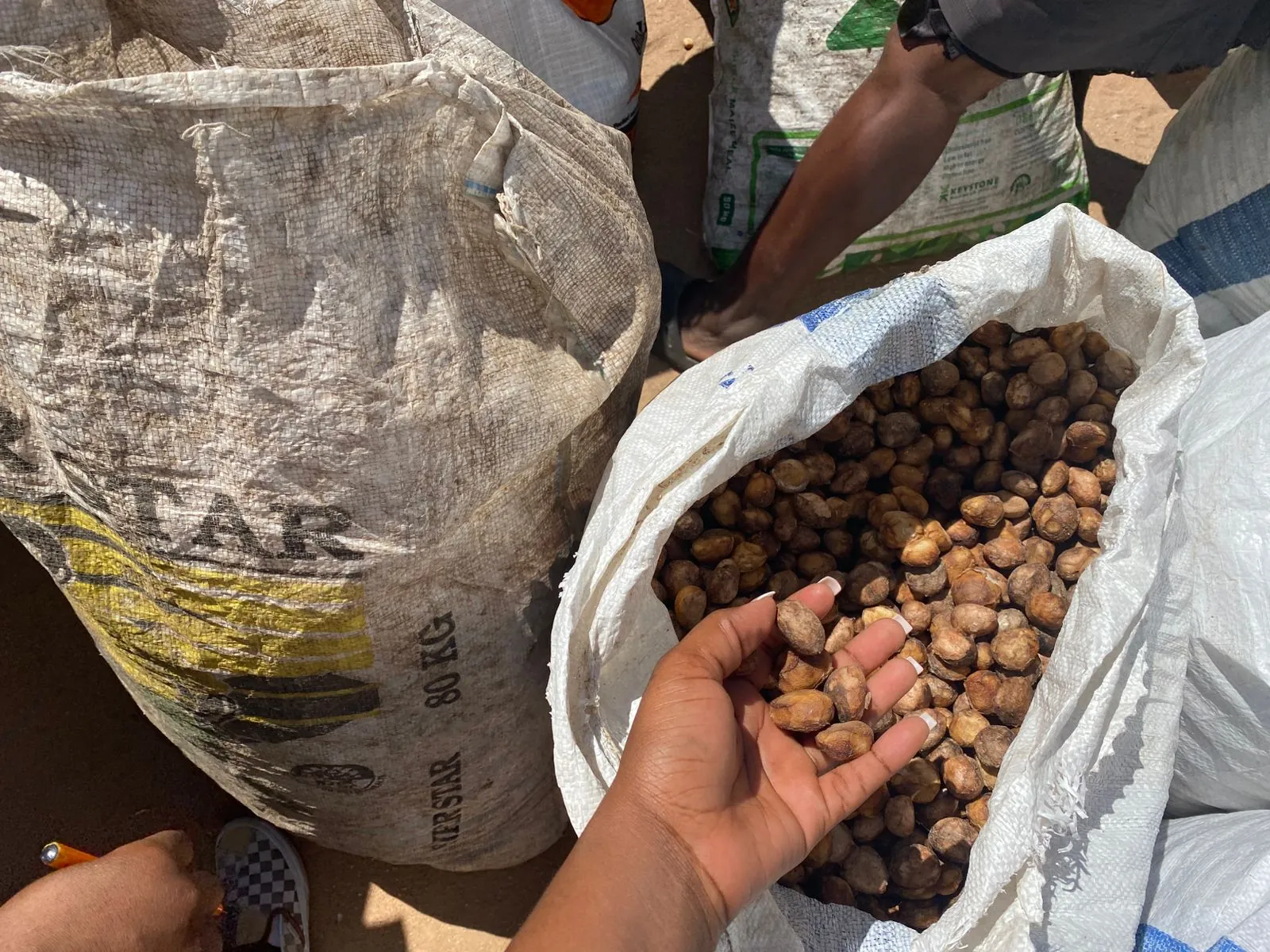
Species planted thus far. Selection was validated with Traditional Authorities during the FPIC process. Marula trees were gifted ceremonially to all six signed Traditional Authorities at the conclusion of consultations — not as a project output, but as a formal act of partnership.
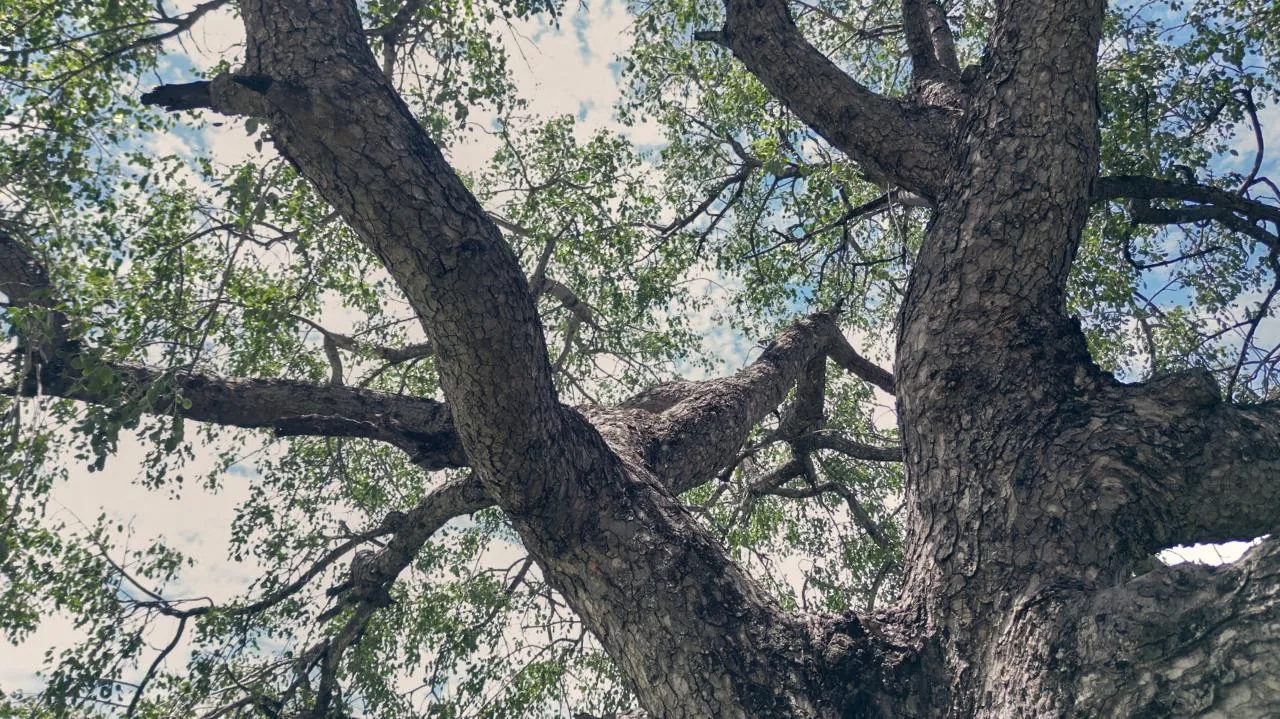
The species anchoring this project are among the most drought-resistant and longest-lived in the Lowveld. The marula lives for a hundred years or more. The project area is dispersed across residential and cropland plots typically ranging from 1 to 50 hectares — which means fire risk is distributed, not concentrated. A single event cannot affect more than a contained area.
Community incentive is the primary permanence mechanism. The custodian model transfers biological assets — trees — to households from the day of planting, with product revenue following as the trees mature. From year three, custodian households participate in a carbon credit revenue share.
The people who live alongside these trees have a financial incentive to protect them. That incentive compounds over time. It does not expire when the carbon contract does.
One marula tree. One household. Ninety years of fruit. The tree keeps the soil. The soil keeps the river.The financial model has been stress-tested at COAS floor pricing — the project remains viable at compliance rates without voluntary market premium. The project does not depend on voluntary market buoyancy to deliver returns.
The project is pursuing Article 6.2 sovereign authorisation from South Africa's Designated Focal Point (DFFE), which would allow credits to be recognised as Internationally Transferred Mitigation Outcomes for use in other countries' NDCs. The Extended Letter of Approval application is pending. COAS registration is in progress.
Three organisations carry the technical and financial integrity of the project. None are owned by the proponent. All are engaged under formal scope of work. Full details are available in the PDD.
| Feasibility study | Completed · Nov 2023 |
| Verra VCS registration | Completed · Dec 2024 |
| FPIC — 6 Traditional Authorities | Completed · Jun 2025 |
| PDD authorship | Completed · Oct 2025 |
| PDD under public commentary | Current |
| Under Validation | Current |
| Pilot planting commencement | Mar 2026 |
| GHG verification and registration | 2026 · Year 0 |
| Certification and first credits issued | 2029–2031 |
Detailed financial modelling, project documentation, and the full PDD are available under NDA.
We use cookies for anonymized analytics so we can improve this site. See our privacy policy.