Ten Traditional Authorities hold the land. The land holds the catchment. The catchment holds the water. The water holds a city downstream.
The governance question is not what structure we impose on this landscape. It is what is already here, and how we build something durable enough to hold it for forty years.
A named household. The trees it keeps. The Authority whose land the trees grow on. From those three facts everything else is built — the partnership, the contracts, the capital.
The model rests on a single relationship: a household and the trees it tends, on land held under the authority of the community whose ancestors have always held it.
The Public-Private-Community Partnership matters. It is the architecture that lets this hold across 630,000 hectares, ten Traditional Authorities, and two countries. But it is the scaffolding. Custodianship is the model.
The first tree custodians have been identified within the Hoxani Traditional Authority, tending the pilot cohort of marula trees. From the moment those trees are planted, they belong to the household that keeps them.
South African law is explicit on this point. The National Forests Act 84 of 1998 provides that individuals who plant and manage trees on land they have the right to use hold the right to use, and to retain ownership of, those trees and the products they yield — the fruit, the nuts, the harvest. Carbon rights are not separately defined in South African law; the project's operational interpretation, applied across its agreements, is that the carbon those trees draw down is a benefit arising from tree ownership, transferable to the project through the custodian agreement.
The custodian assigns the carbon — and only the carbon — to the project. In return the household holds a direct share of the carbon revenue, paid on its surviving trees. Trees, fruit, and harvest stay with the household. Only the carbon moves.
Participation is formalised through agreements tailored to the tenure system in place: memoranda of understanding and endorsement letters with traditional leaders on customary land, together with individual agreements with holders of Permissions to Occupy (PTOs); on land held by Communal Property Associations, agreements endorsed by elected committees under the Communal Property Associations Act 28 of 1996.
This is the unit the whole project is built on. Not a hectare. Not a yield curve. A household, owning trees with a location, holding income rights that are theirs to keep and to pass to the next generation with the trees.
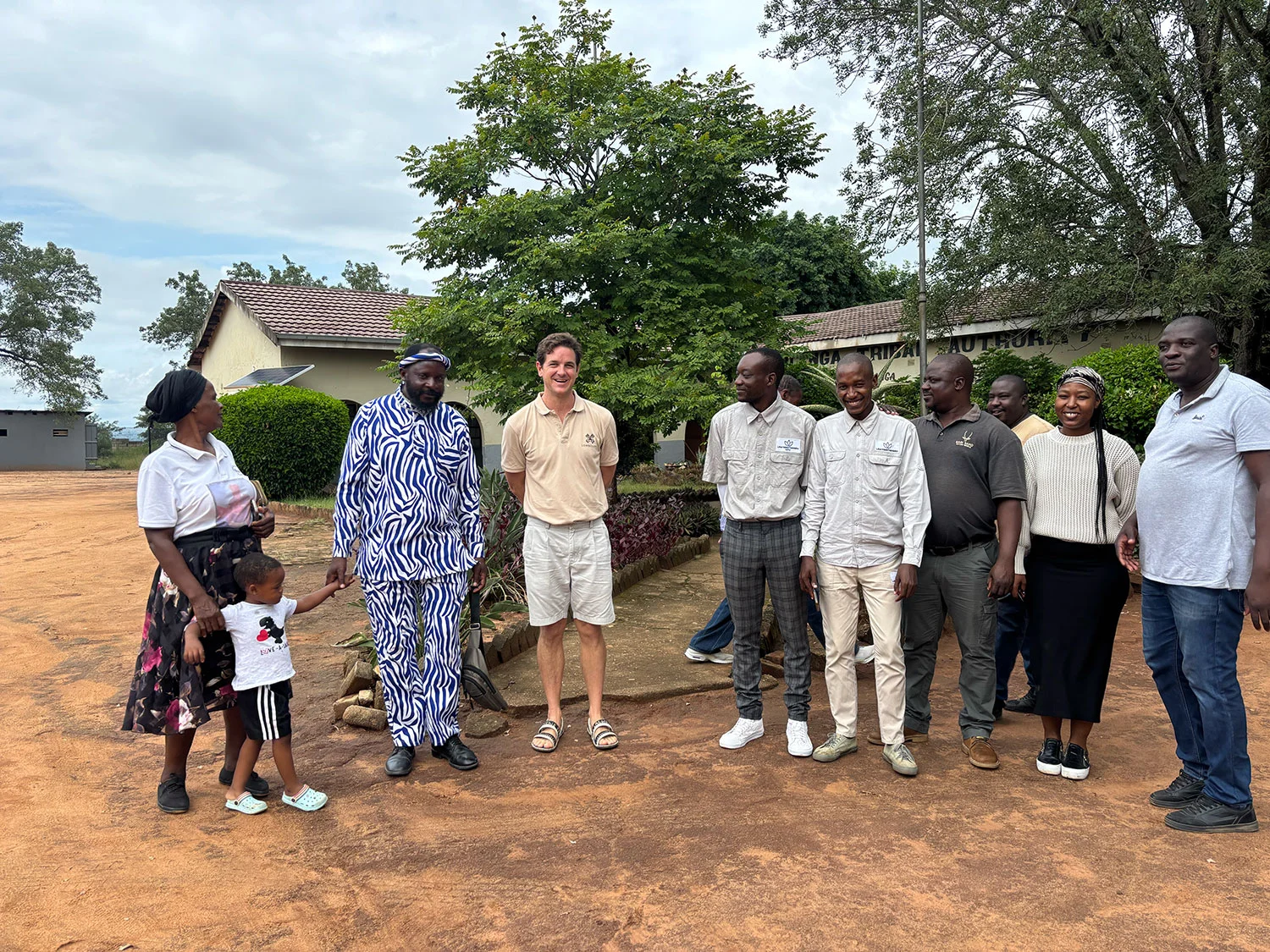
Under customary tenure, the right to use the land is held through a Permission to Occupy, granted by the Authority. A household owns its trees because the Authority granted the right to the ground they stand in. The custodian's entire asset flows from the Authority's land relationship.
Two pieces of South African legislation hold this in place. The Traditional and Khoi-San Leadership Act 3 of 2019 recognises the role of traditional leadership in governance, land administration, and participation in development. The Interim Protection of Informal Land Rights Act 31 of 1996 (IPILRA) protects informal and customary land rights, and requires the free, prior, and informed consent of the community and its traditional leadership before any development proceeds on customary land. The Authority's consent is therefore not a step we seek. It is the legal precondition without which the project does not exist.
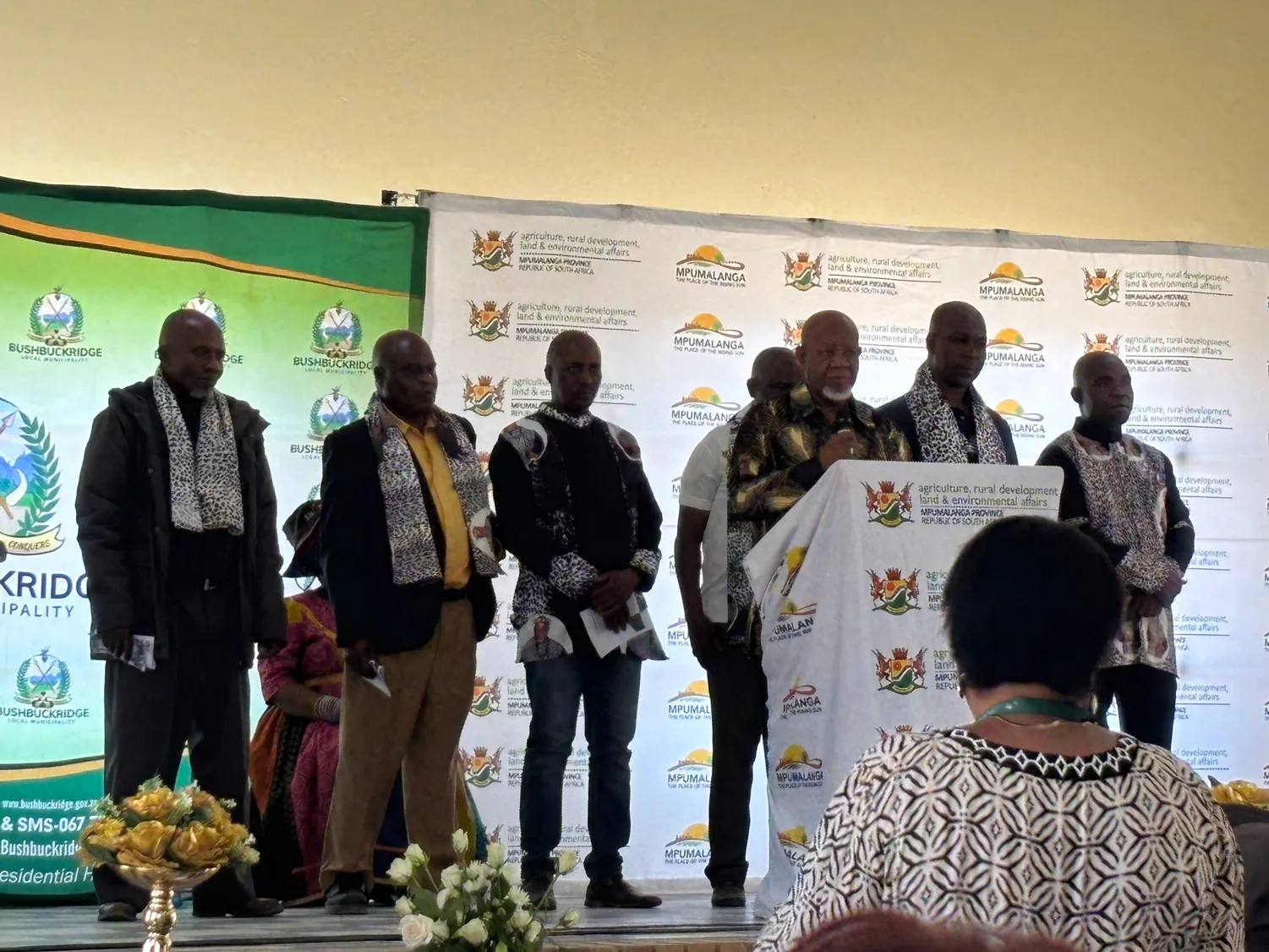
In 2025, during the Save the Sand FPIC process, six Traditional Authorities signed FPIC and endorsement letters: Amashangana, Jongilanga, Hoxani, Mathibela, Mnisi, Moletele. The other four of the ten will follow as the work proves itself.
The Authority's role in the project is custodianship of the land relationship itself — distinct from, and prior to, the household's economic share. A revenue line can be spent in a season. The custodial relationship to this land has been held across generations and is meant to be held across generations more. The architecture is being designed to keep those two things separate, so the Authority's standing remains what it has always been: the relationship that makes everything else possible, answerable to the community rather than to a contract.
Custodianship is not a payment. It is the foundation the payments rest on.

One hand cannot wash itself. The household cannot keep the trees without the Authority's land. The Authority's standing means little if the households on its land do not prosper. The two are held in relation, not in separation — and the work of the project is to keep that relation intact while building outward from it.
Neither the household nor the Authority restores a whole catchment alone. That takes the wider partnership — each hand keeping its own mandate while washing the others. What follows is how that wider system is built around the unit, not on top of it.
Each layer is real on its own; together they make standing trees worth more to a family than cleared ground. Benefit-sharing is administered by Sand Catchment under the custodian agreements, and held to account by the independent verification that the Verra VCS and CCB Standards require.
The trees themselves, and all their fruit, nuts, and harvest, owned by the custodian household under the National Forests Act. This is not a payment from the project. It is a property right the project recognises and protects. Over the life of the work, this is the largest part of the household's economic case.
Nurseries, planting, monitoring, processing — the work itself, done by local people and local enterprises. The project's intention is to deploy the majority of project spending into the local economy. This reaches households whether or not they are tree custodians.
Paid to custodian households from the point the project generates revenue. Undivided. It does not pool into a fund held by anyone else, and it does not pass through a committee. It runs to the household, on a survival basis, so the household's interest and the tree's survival are the same interest from the day it is planted.
Africa has 162 Keystone Protected Areas. The Greater Limpopo Transfrontier Conservation Area, of which this catchment is the communal buffer, is one of them.
A river catchment cannot be restored by one institution. Restoring this one — 630,000 hectares of communal land, ten Traditional Authorities, two countries, a forty-year horizon — requires public authorities, private operators, and the communities who hold the land to act in the same direction across the same landscape over the same century.
The Public-Private-Community Partnership is the structure built to make that possible. It takes its three constituencies seriously: public mandates (national parks, water commissions, transboundary basins, government departments), private capability (project proponents, technical advisors, finance, monitoring), and community authority (Traditional Authorities, custodian households, local enterprises). Each keeps its own sovereignty. The partnership maps how their contributions align on the same catchment.
In other words: the PPCP is the scaffolding around river catchment restoration. It is what holds the work together at landscape scale without flattening any of the parties holding it.
Custodianship is the governance model. The PPCP is the architecture that lets custodianship hold across the catchment. It is easy to confuse the two. The distinction matters, and it shapes the way the partnership is described below.
The framework is designed to serve three distinct constituencies at once. Each has different metrics of value. The same governance architecture satisfies all three.
Globally, climate finance supply exceeds the supply of well-structured, institutional-grade projects capable of absorbing it. The PPCP provides the governance, monitoring, and stakeholder alignment that transforms landscape restoration from isolated activities into a bankable proposition.
The architecture de-risks the asset.
National park management. Transboundary water governance. Biodiversity conservation. Rural development. Each is materially advanced by a restored Sabie and Sand River catchment. The PPCP is the first framework in the region to align these mandates on a single landscape, with a shared measurement infrastructure that serves all reporting needs simultaneously.
One landscape. Multiple mandates. No duplication.
The PPCP is designed as replicable institutional infrastructure. Aligned with Vision 2040, Kunming-Montreal GBF, COP30, AFR100, and the SADC Great Green Wall initiative. If it works here, it is applicable across the Greater Limpopo Transfrontier Conservation Area and comparable catchments throughout SADC.
If it works here, it works across SADC.
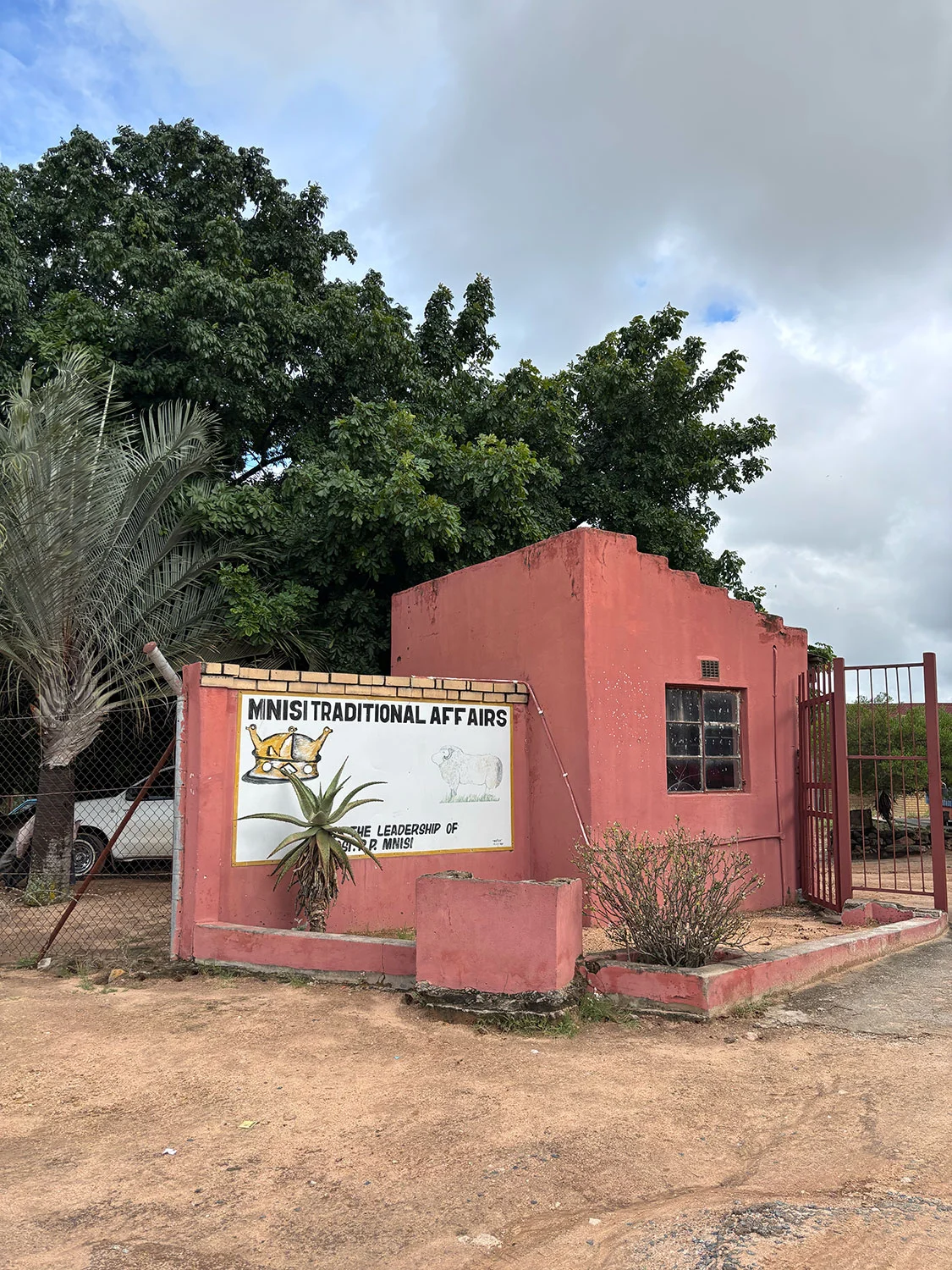
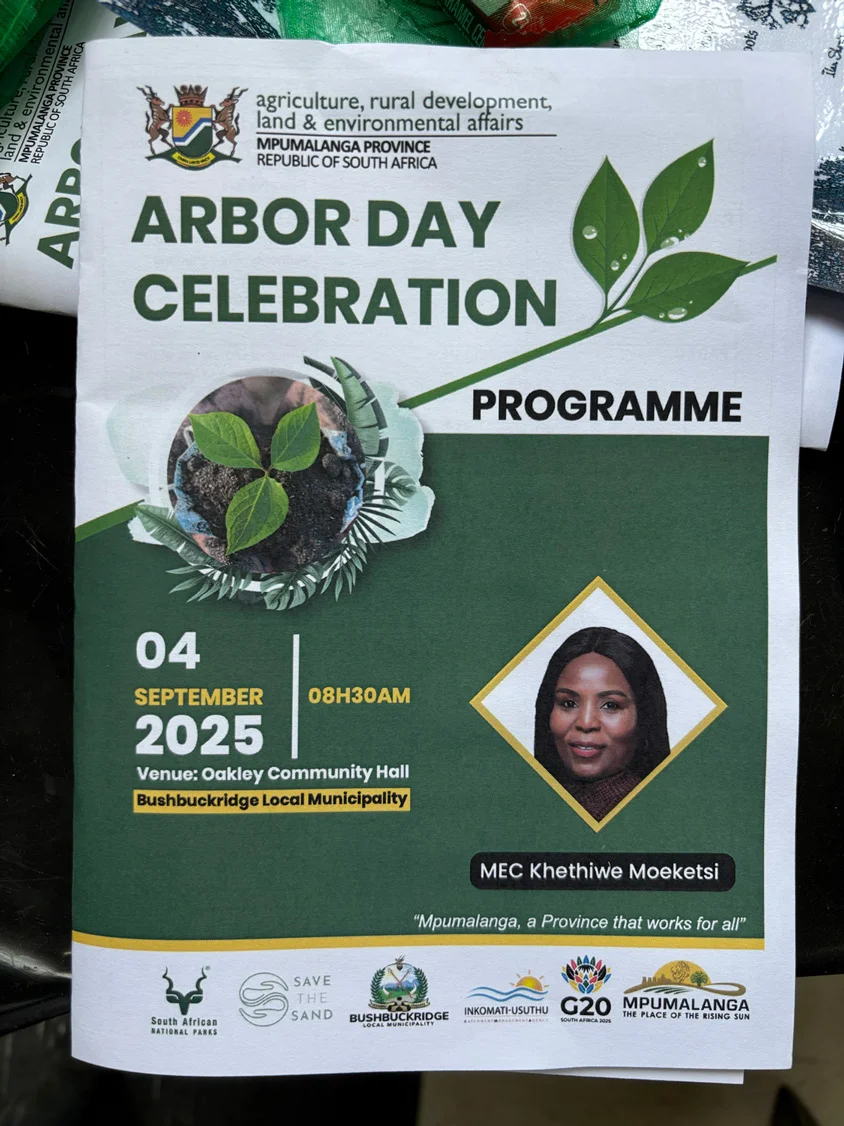
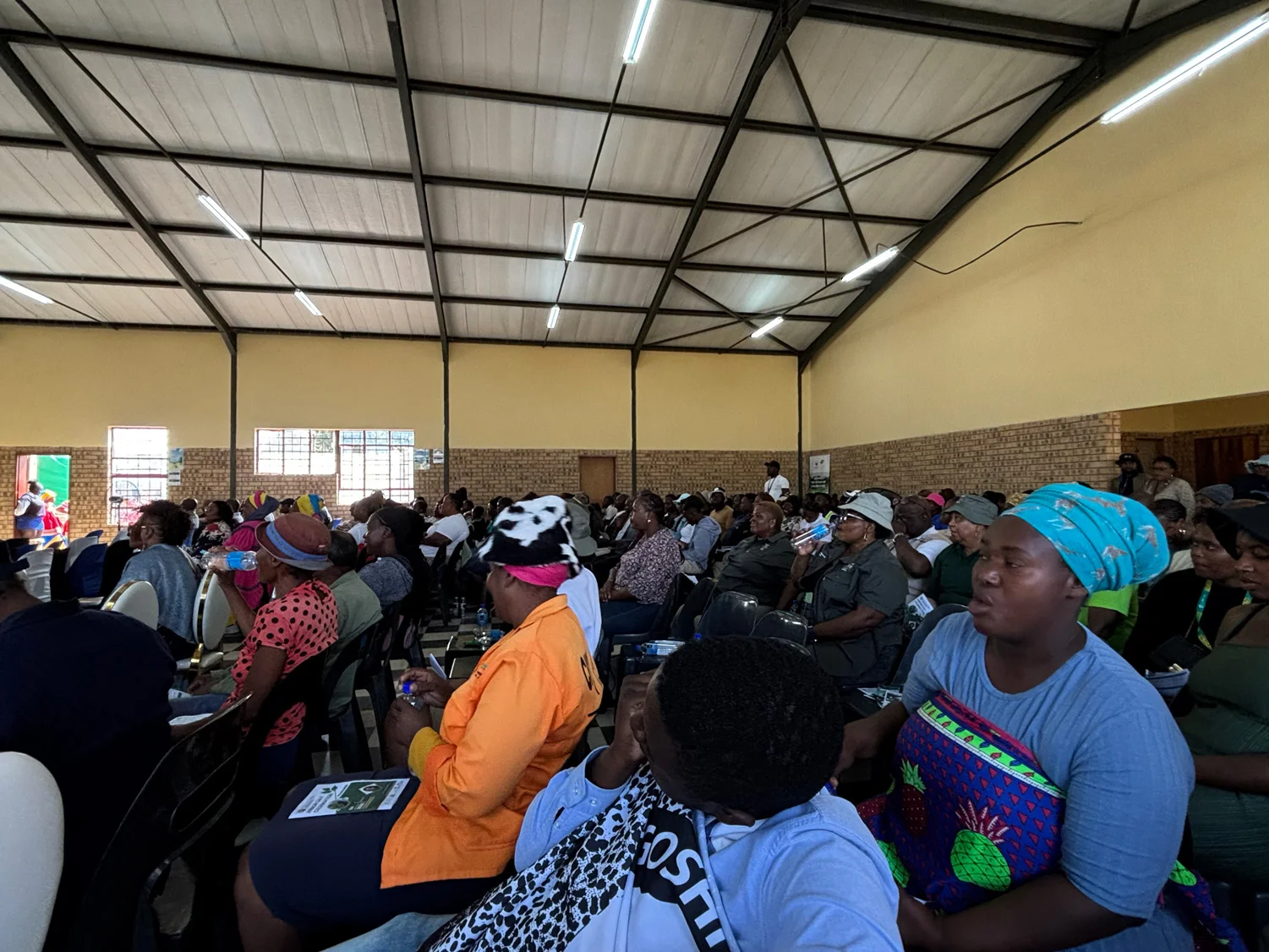
Each is rooted in a specific policy or scientific framework. Together, they make the catchment's protection structurally irreversible — the mechanism through which the Keystone Protected Area's ecological function becomes lasting.
The parties aspire to a framework of long-term landscape protection: 40-year custodian commitments from participating land stewards and, in time, a 100-year Conservation Treaty through which Traditional Authorities, government, and conservation partners jointly commit to the permanent protection of the catchment. Aligned with SANParks' Vision 2040 Mega Living Landscapes Initiative. The mechanism through which the Keystone Protected Area's ecological function becomes structurally irreversible.
The catchment connects headwaters to the Indian Ocean, crossing provincial and national borders. What happens on a homestead plot in Bushbuckridge affects water supply to Maputo. The PPCP aligns source-restoration with downstream ecosystem, livelihood, and water security. The accountability is not rhetorical — it is hydrological.
Lasting conservation requires that the people who live on the land benefit directly from protecting it. The parties commit to models in which the majority of project spending flows into the local economy — employment, enterprises, education, long-term opportunity — consistent with the Kunming-Montreal Global Biodiversity Framework and the outcomes of COP30 (2025). Community stewardship becomes the active conservation infrastructure of the Keystone buffer zone, paid to do what it has always done.
Save the Sand distinguishes between parties who have signed formal agreements, parties who are facilitating the framework as its institutional co-architects, and parties whose engagement is sought through a Letter of Intent in draft. This is how transparency holds when a partnership is still being built: we name where each institution stands, not where we wish they stood.
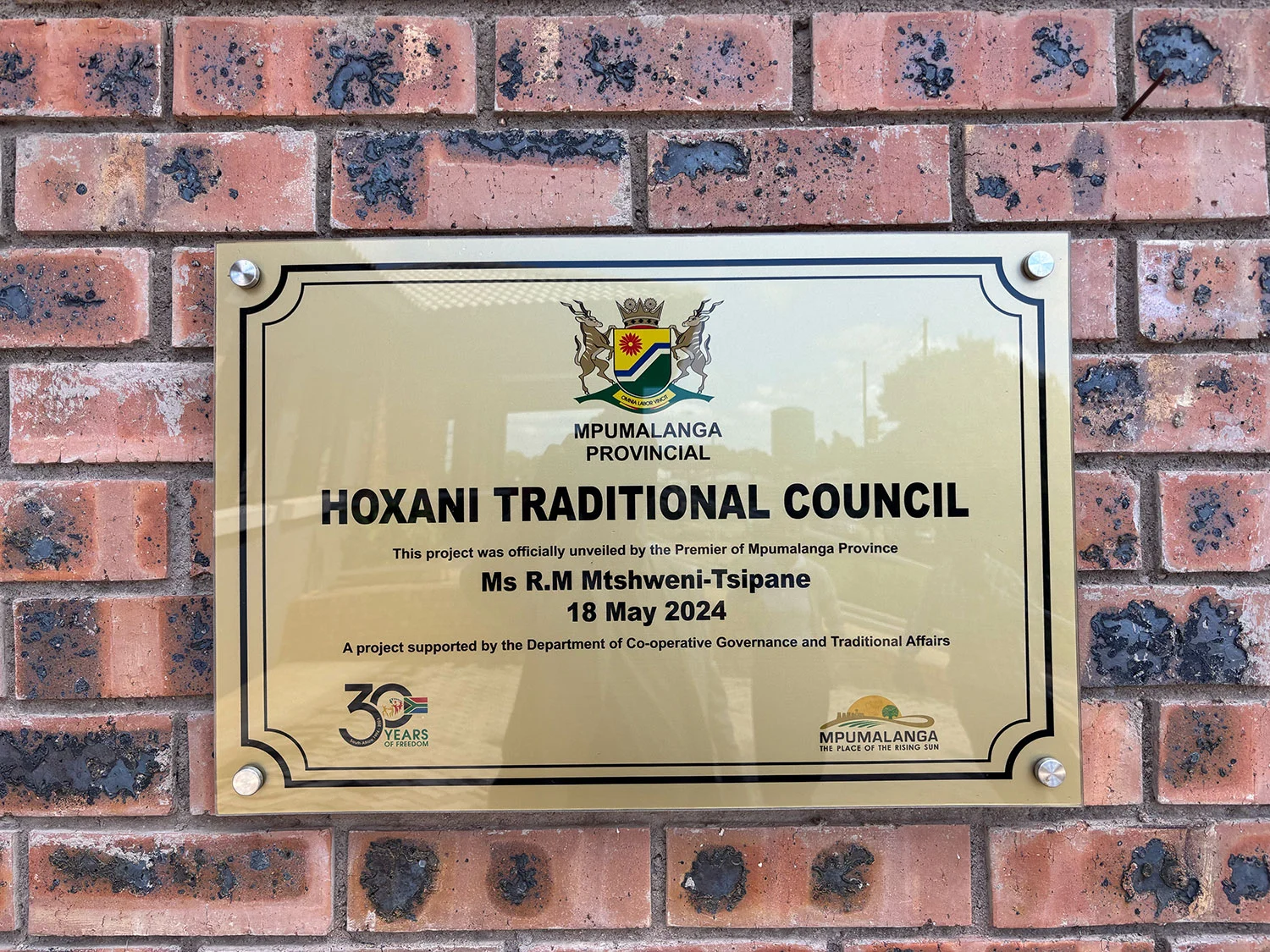
Project management, carbon technical, nursery, community engagement, and education partners. Each is named in the PDD. Full institutional architecture is available in the partnership package, on request.
The PPCP is a living architecture. New signatories may be incorporated as the partnership evolves. A forty-year commitment is only held by the people who hold the land. Everything else is paperwork.
We use cookies for anonymized analytics so we can improve this site. See our privacy policy.