Tree Planting

Every other part of the project becomes real here.

A tree in the ground is the unit that everything else is measured against. The carbon is real because the tree is real. The income is real because the tree fruits. The landscape recovers because the tree holds the soil.

From seed to standing tree, in four hands.

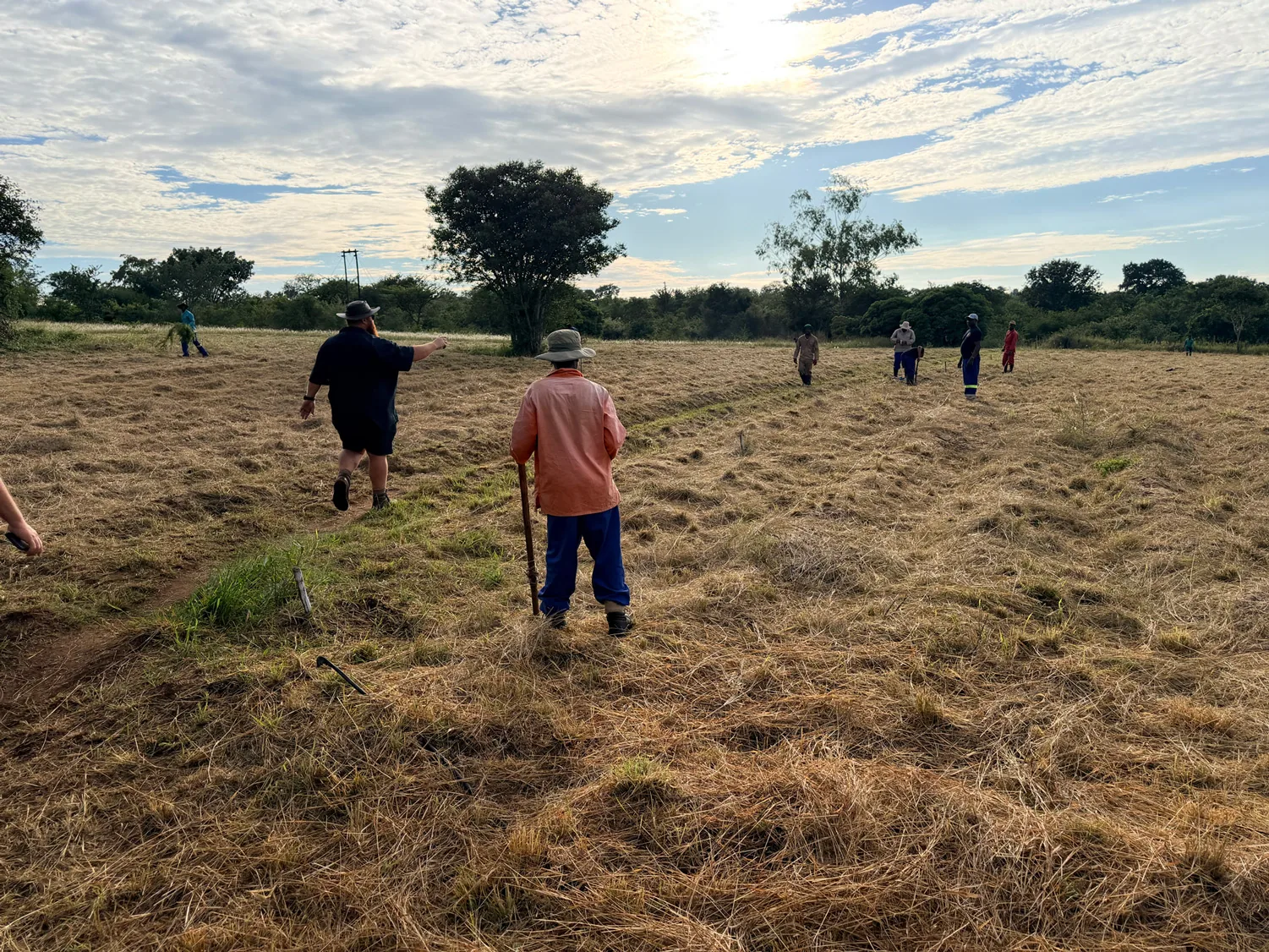
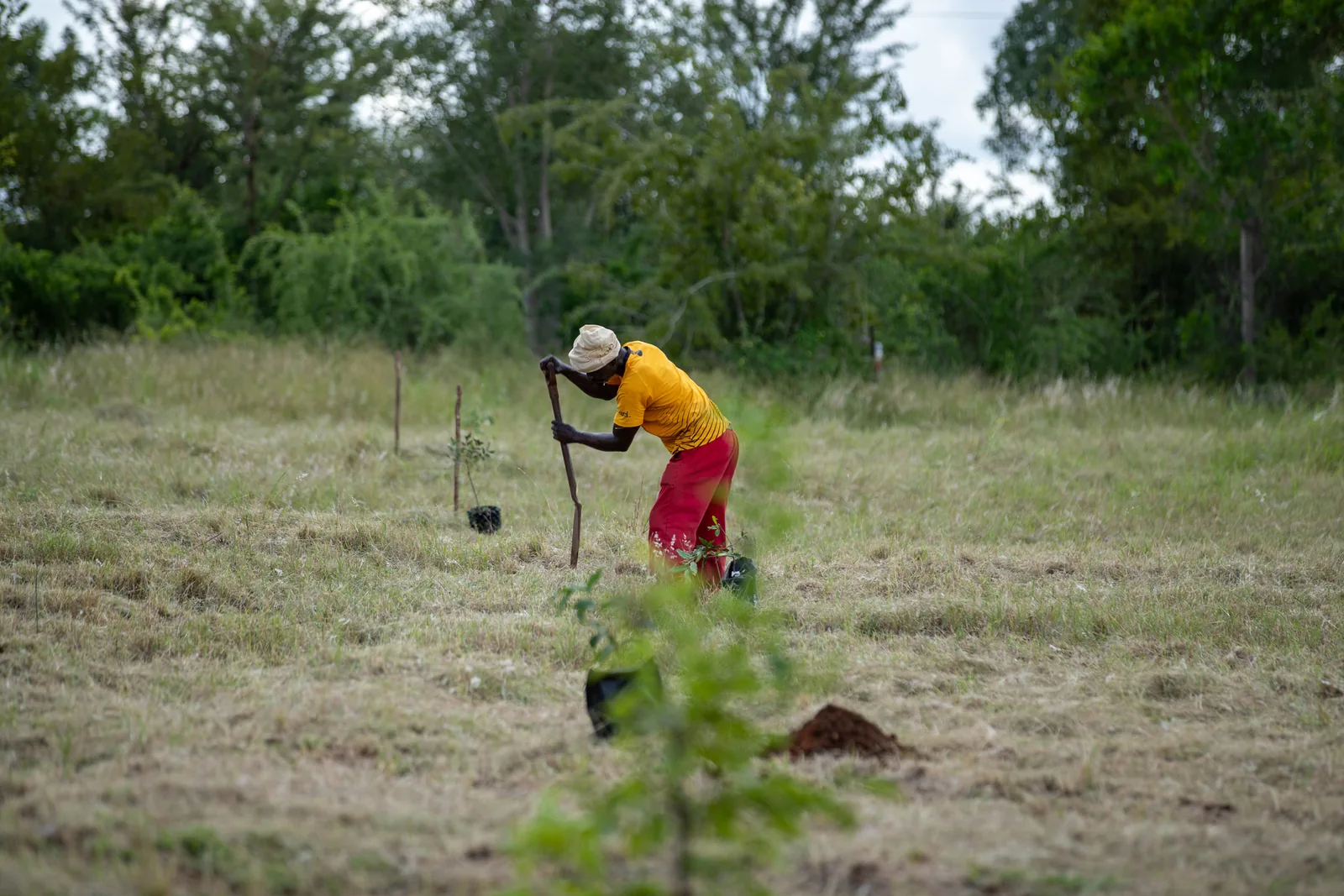
We do not import saplings. We do not fly in contractors. The tree you sponsor is grown, placed, planted, and watched over by people who live on the land it is planted on.

i.
Community nursery
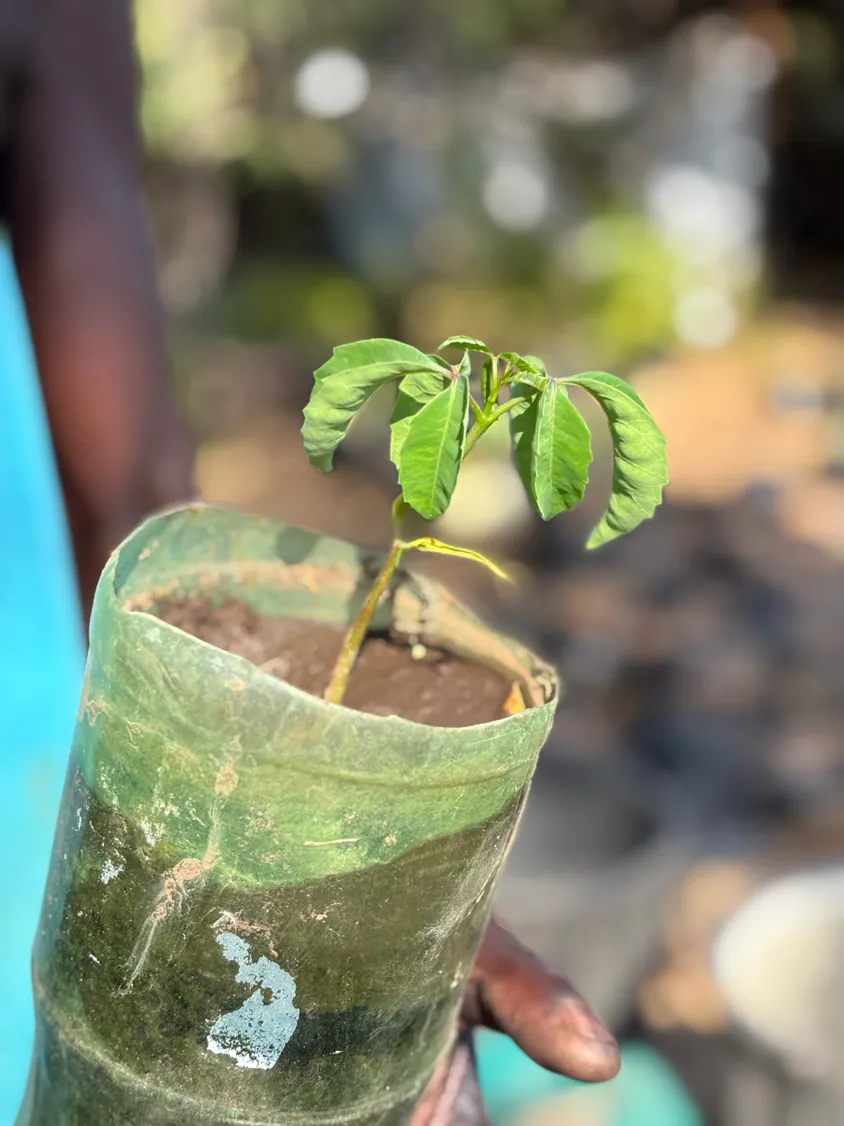
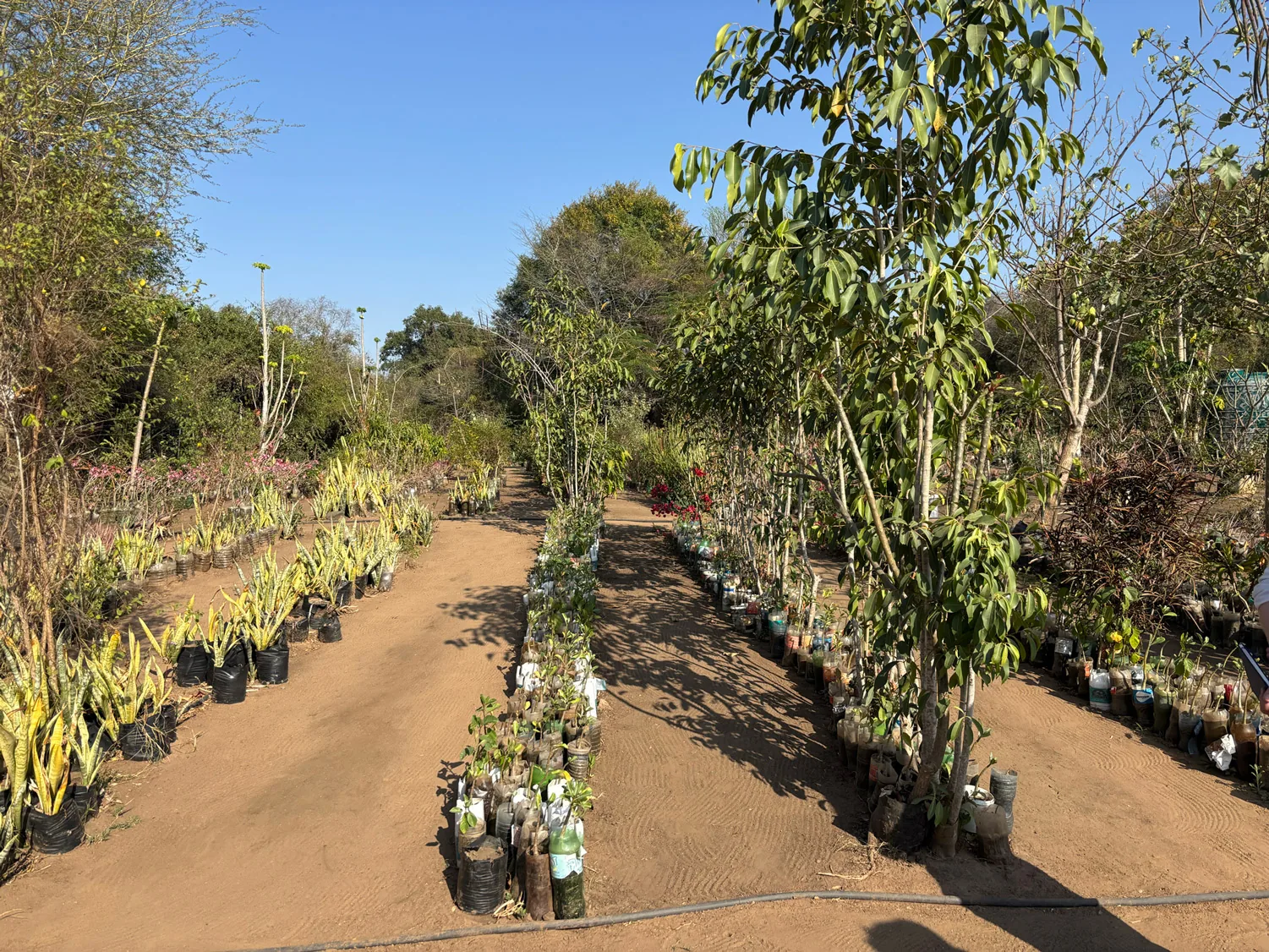
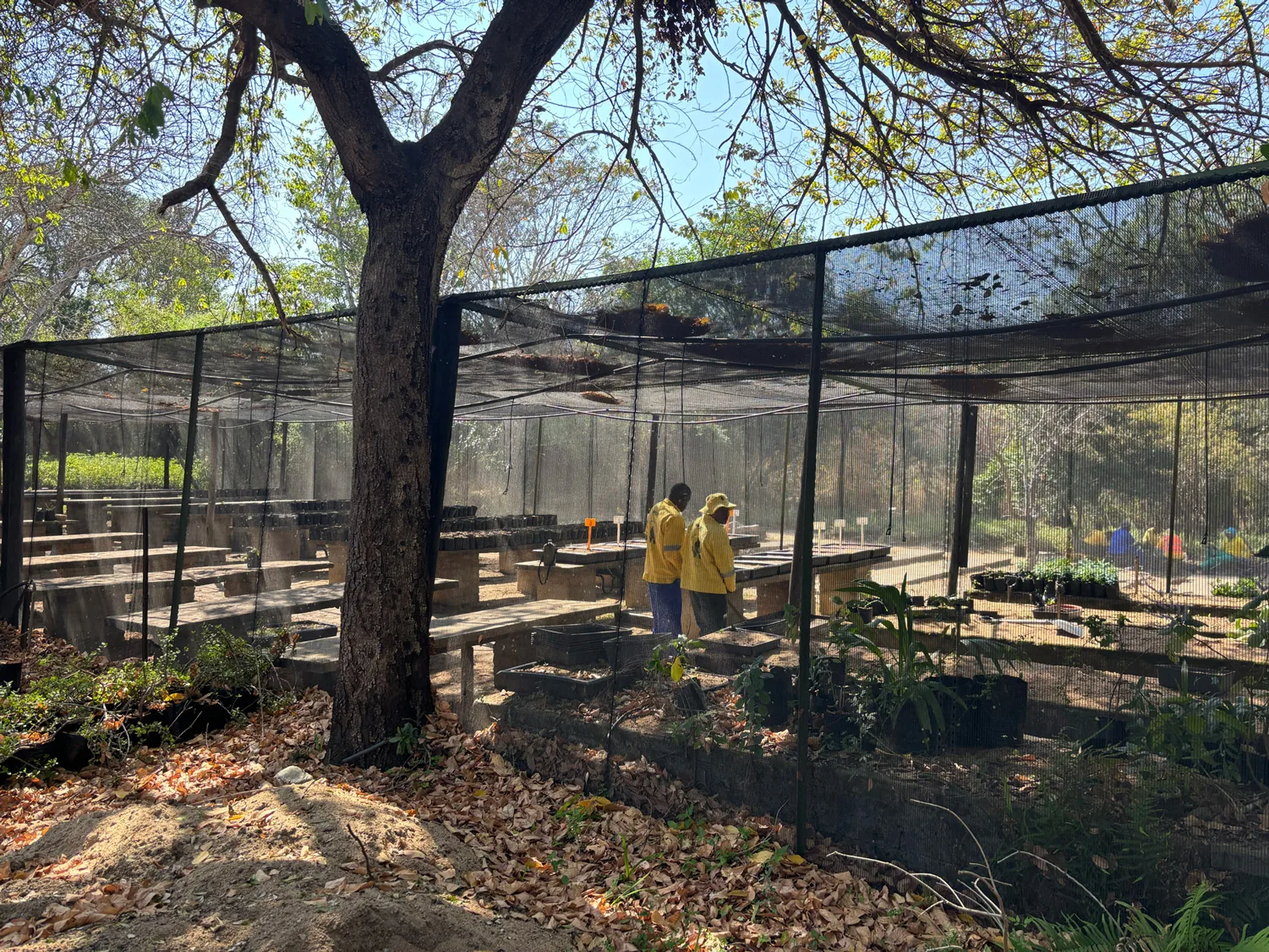
Seeds are collected from indigenous parent trees in the catchment. Saplings are raised in nurseries — community-operated where possible, professionally supported where needed — for twelve to eighteen months before they go into the ground.
ii.
Household placement
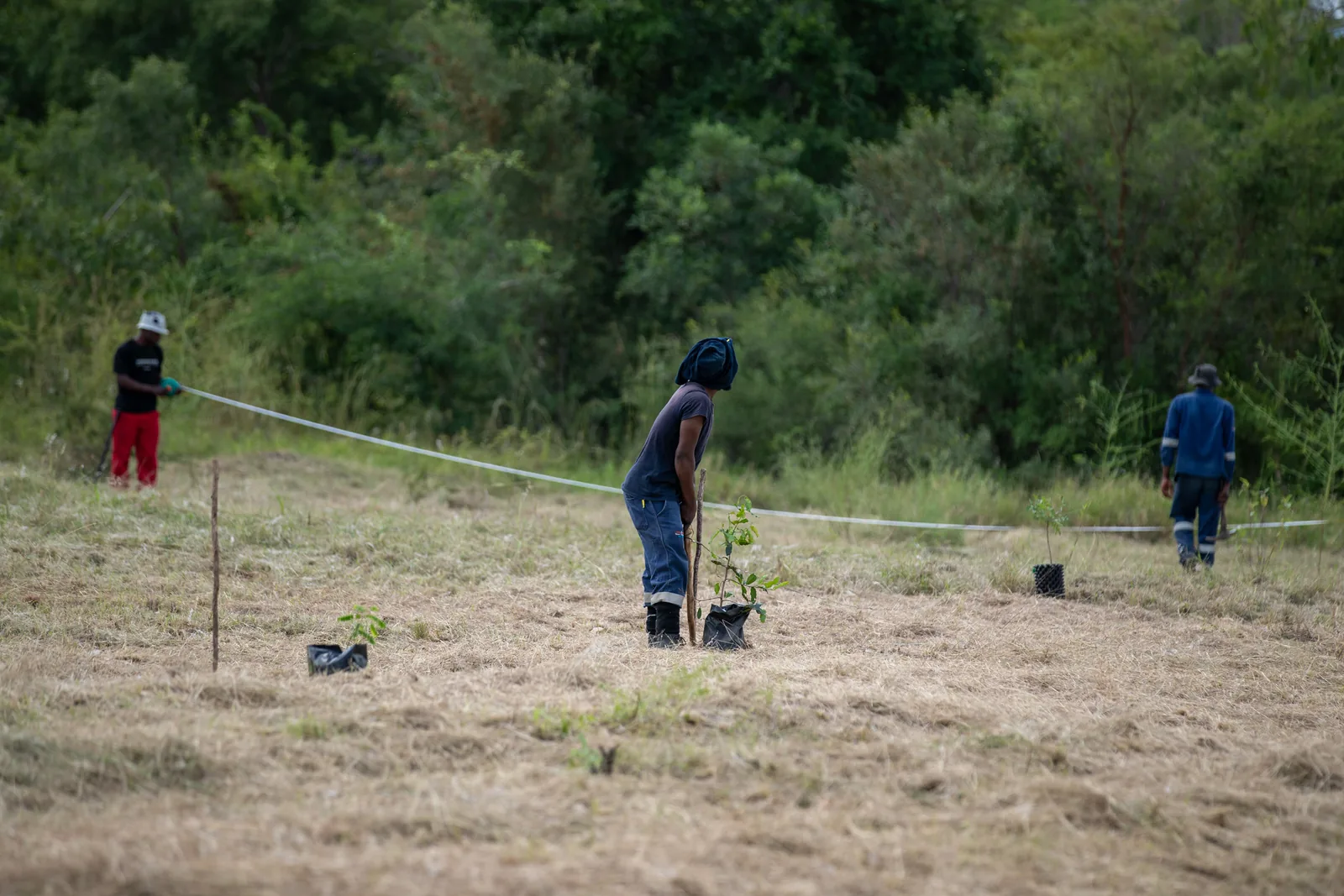
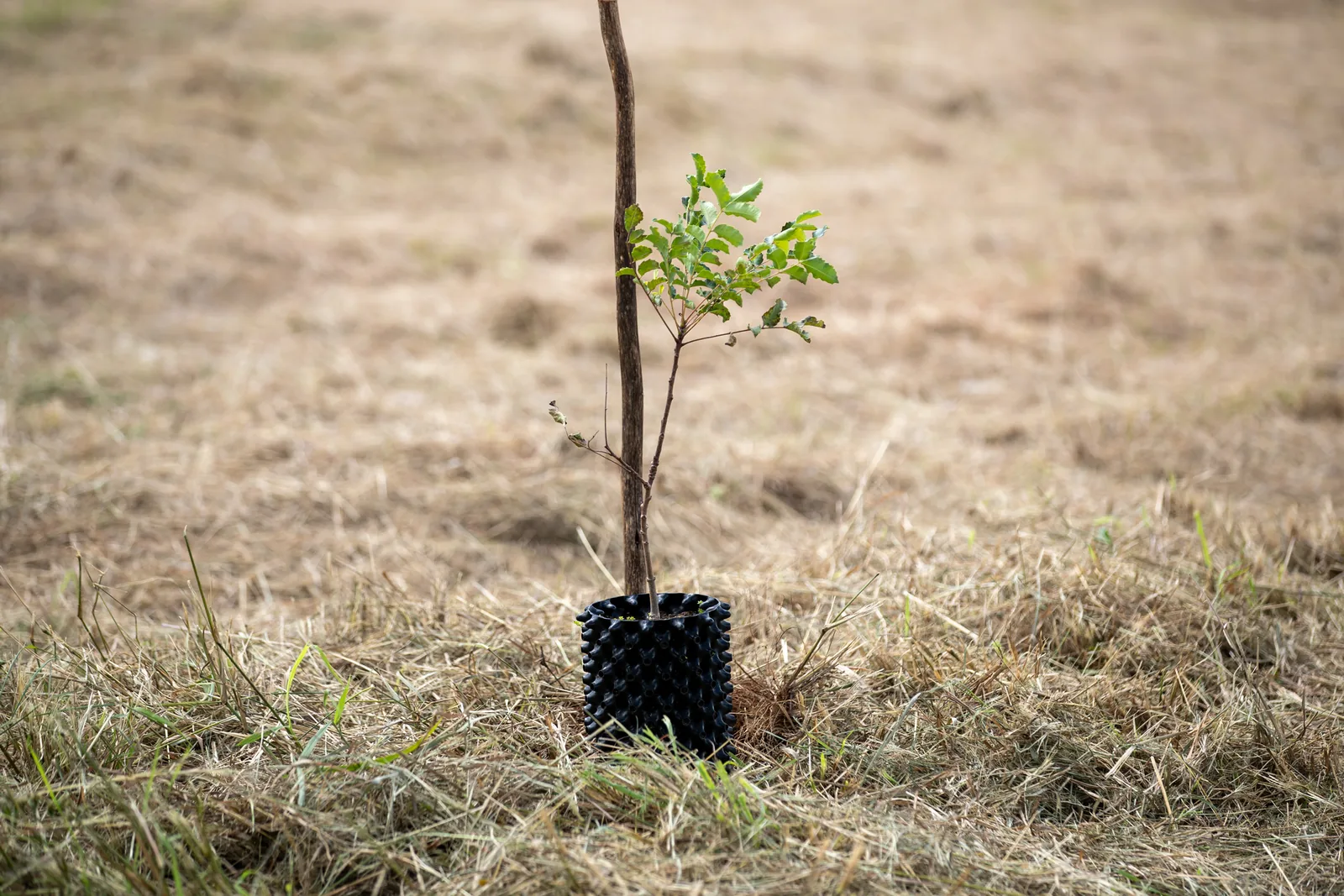
The household custodian chooses where on their homestead the tree goes. Not us. We provide the protocol — spacing, species mix, soil prep — but the placement is theirs.
iii.
Planting & register
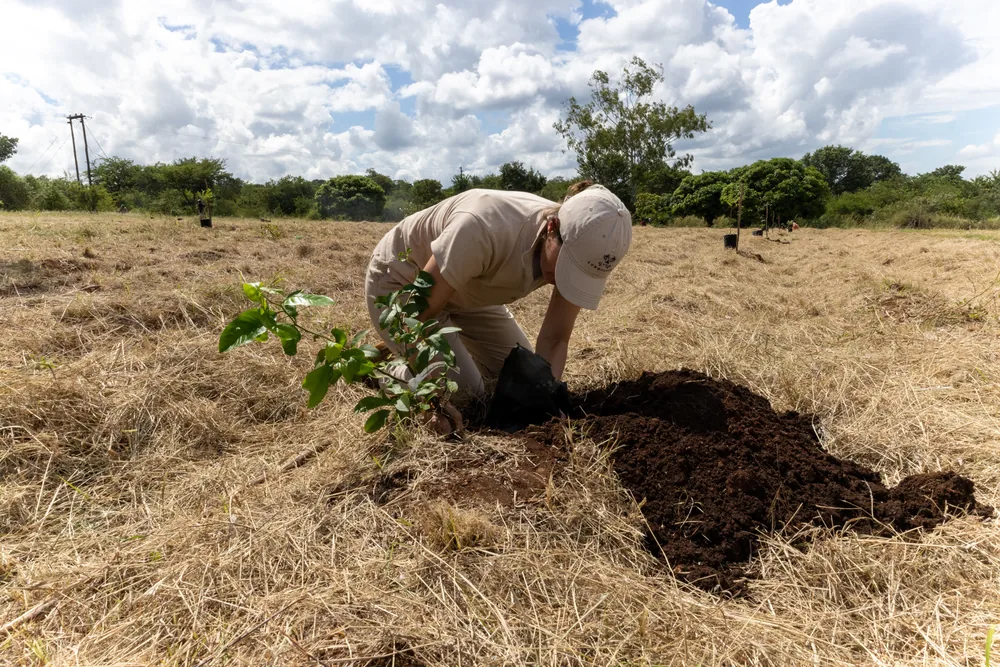
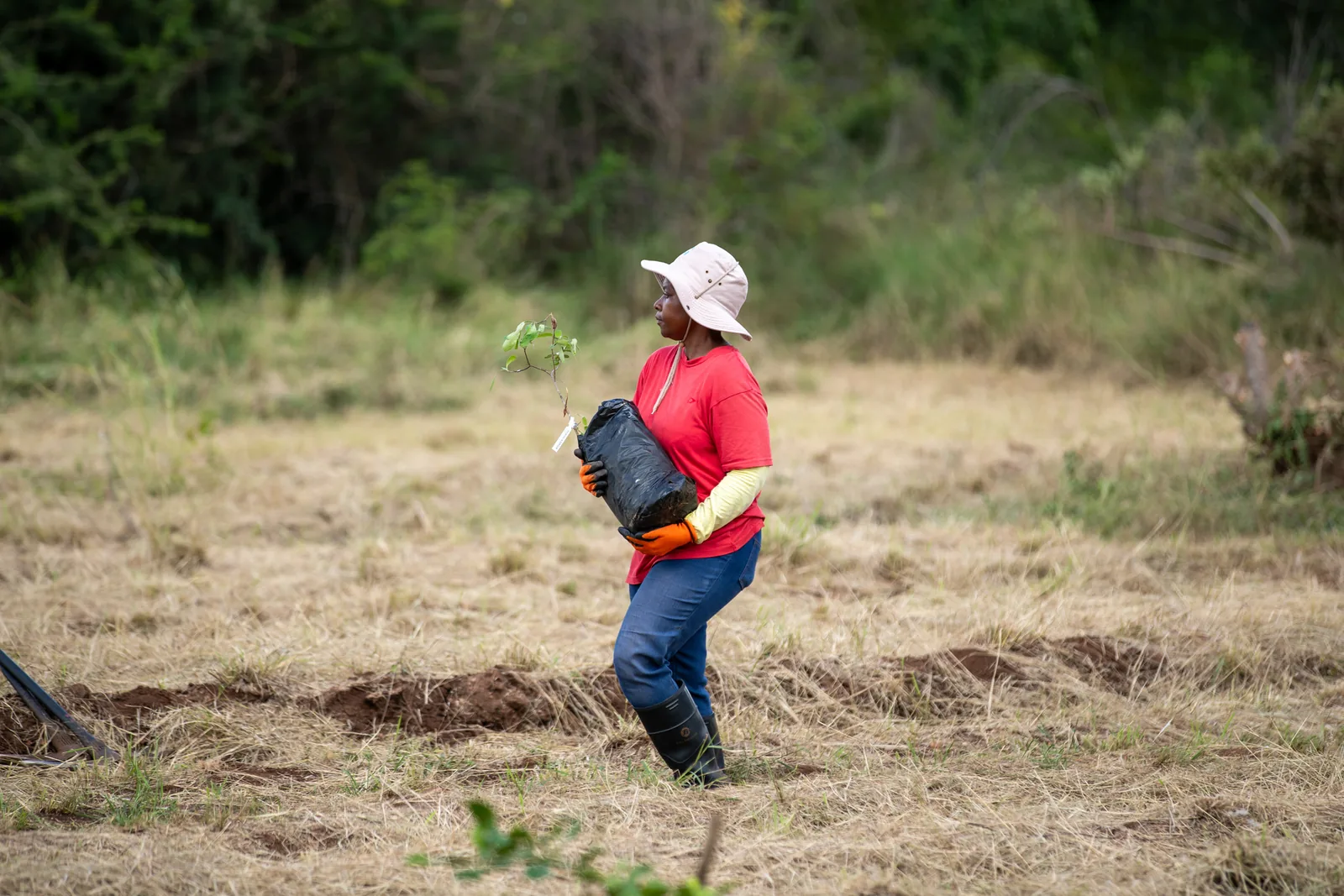
The tree is planted, geo-tagged, and registered against the custodian's household. It enters the Verra VCS 5375 monitoring register as a unit of project activity.
iv.
Forty-year watch
Annual growth and survival monitoring. The tree earns for the custodian through fruit income, for the project through verified carbon, and for the river through holding its own square metre of soil.

Only trees that belong here.

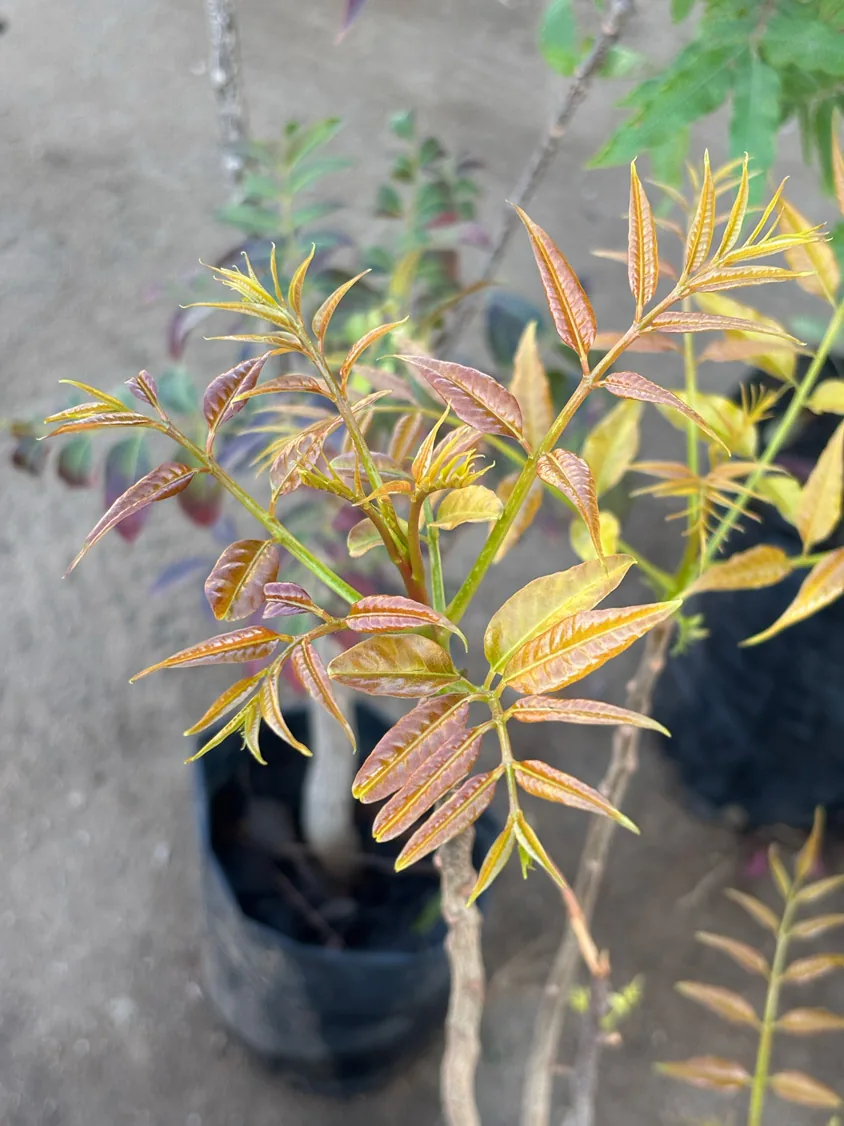
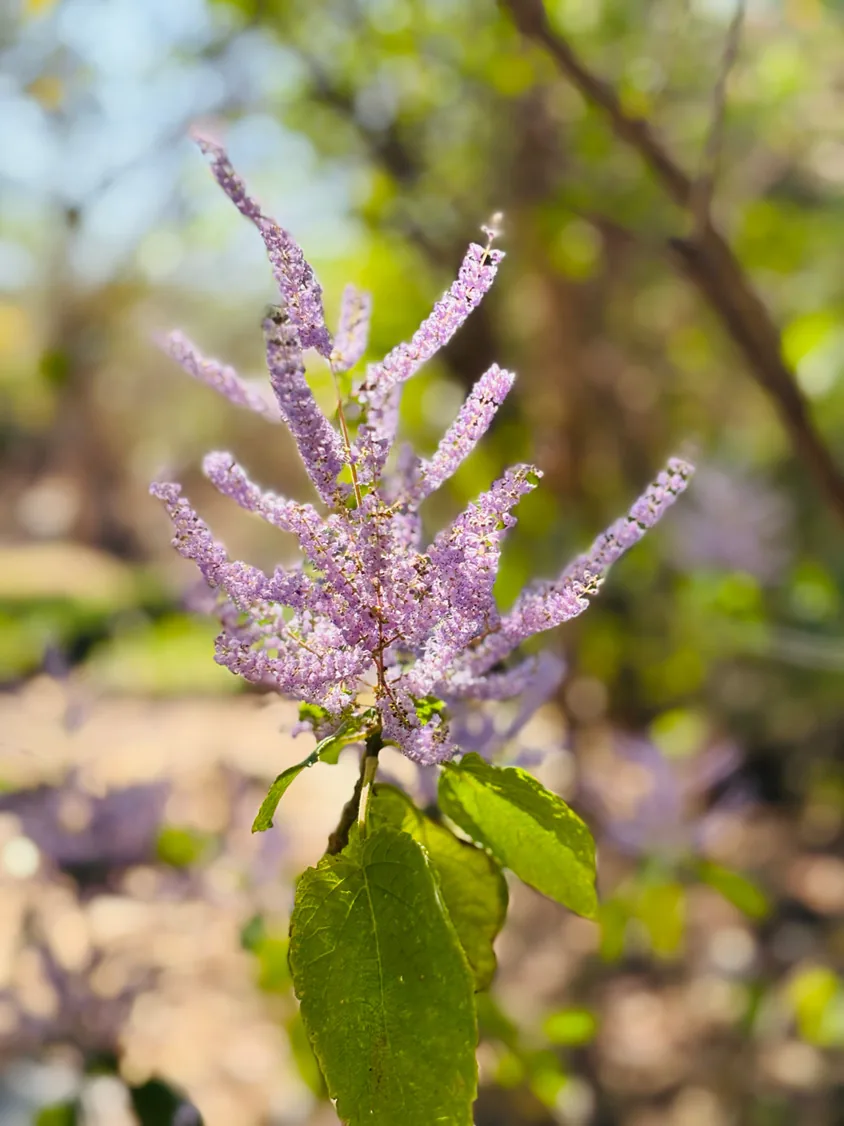
Indigenous to the Lowveld. Drought-hardy. Fruit- or nut-bearing where possible. We do not plant fast-growing exotics because fast-growing exotics do not belong to the landscape we are restoring. The list below is the species we have planted thus far — it grows as the project grows.

Indigenous — Planted thus far
Native Lowveld hardwoods & fruit species
Marula
Sclerocarya birrea
Water Berry
Syzygium cordatum
Brown Ivory
Berchemia zeyheri
Kei Apple
Dovyalis caffra
Silver Cluster Leaf
Terminalia sericea
Weeping Boer-bean
Schotia brachypetala
Wild Mango
Cordyla africana
Jackal-berry
Diospyros mespiliformis
Fruit & Nut — Household revenue
Fruit & nut species for homestead food security & income
Grapefruit
Citrus paradisi
Mandarin / Naartjie
Citrus reticulata
Macadamia
Macadamia integrifolia

The person who lives there is the one who keeps it alive.

Every tree has a custodian. A custodian is a household — not an individual, not a cooperative, not a contractor. The tree is planted on their homestead. They water it through the first dry season. They know where it is without looking.

This is the mechanism by which the project becomes permanent. No ranger force can guard two and a half million trees across 630,000 hectares. The household can. Because the household earns from the tree standing — not from the tree cleared.

Custodian onboarding happens through the Traditional Authority. It is voluntary. It is in the Tsonga language. It is consented under FPIC.

Household
The unit of permanence
The project's theory of change rests on a single proposition: a tree that earns for the family is a tree that stays in the ground.

For patrons who want more than a single tree.

A nursery is the upstream infrastructure of the entire planting programme. It is where the saplings come from, where the community operators are trained, and where the first jobs in a carbon-financed rural economy are actually created. Sponsoring a nursery is a more capital-intensive pathway, but it is the one that unlocks thousands of trees downstream.

Community nursery

A single nursery operation for twelve months.

Sapling propagation, substrate, irrigation, and the wages of community nursery operators for a full growing cycle. This is the smallest viable unit of infrastructure.

$25,000 / year
Nursery network

A regional network across a Traditional Authority.

Three to four linked nurseries under one TA, enough to supply the household planting for the chiefdom. Includes training, tools, seed bank, and the monitoring layer.

$100,000 / year

What we are planting this year.

The 2026 planting window begins with the first rains in November and runs through early April. The targets below are what the nurseries are currently scoped to deliver and what the custodian onboarding pipeline can accept without compromising survival rates.

45,000 trees
Planting target · 2026
Indigenous priority species, planted across the six signed Traditional Authorities during the 2026/27 rainy season.
1,500 households
New custodians · 2026
Onboarding expansion across the chiefdoms currently active in the programme. Each household receives a cluster of trees, not a single sapling.
85%+
First-year survival
The internal threshold. Below this, we halt expansion and diagnose before planting more. This is how the carbon accounting stays honest.
Put a tree in the ground

One tree is a statement. A guild is a commitment. A nursery is a system.