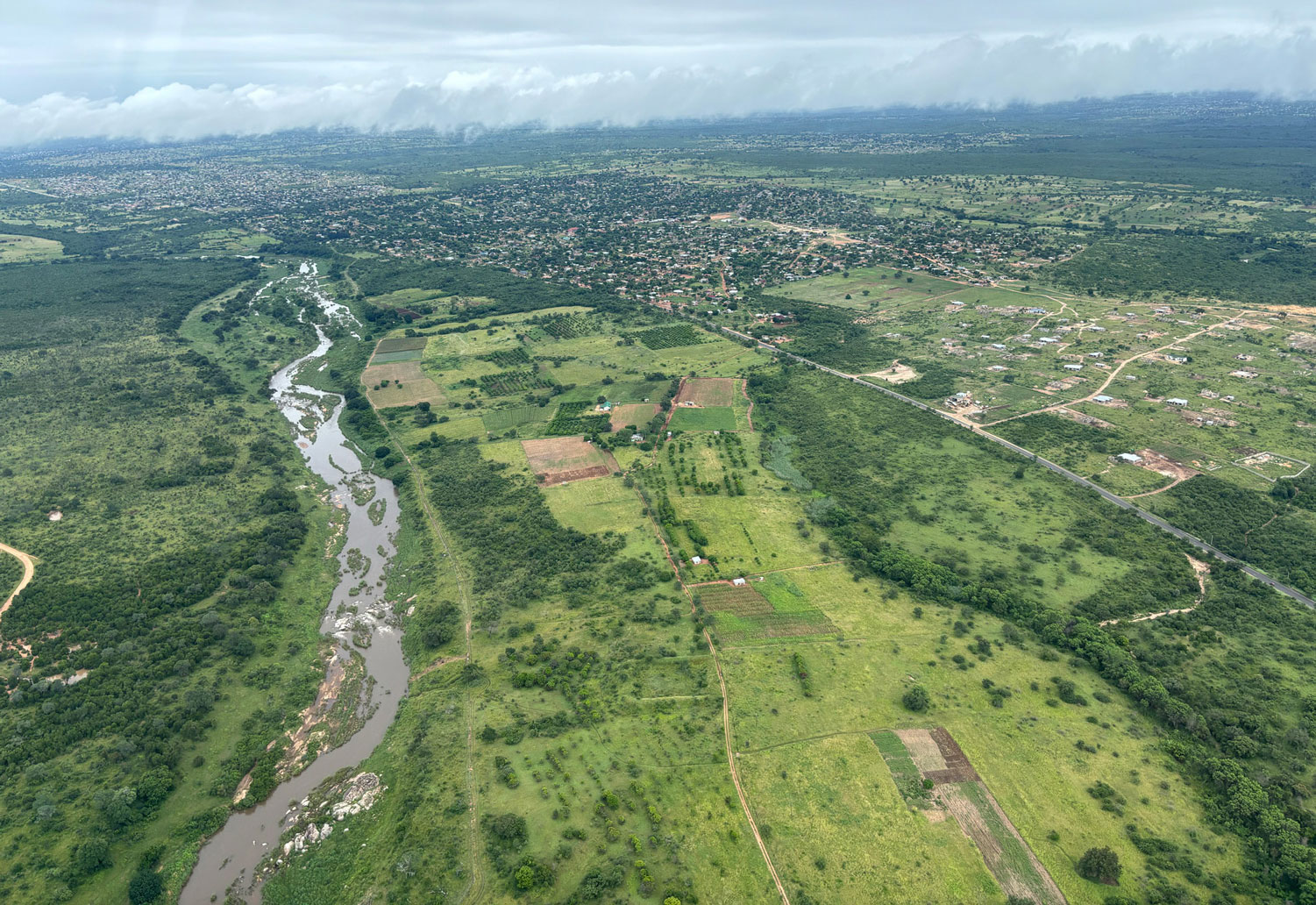
Partner with the river.
She flows life through everything.
One River · Four Generations · A 40-Year Commitment
Plant the tree. The tree keeps the soil. The soil keeps the river.
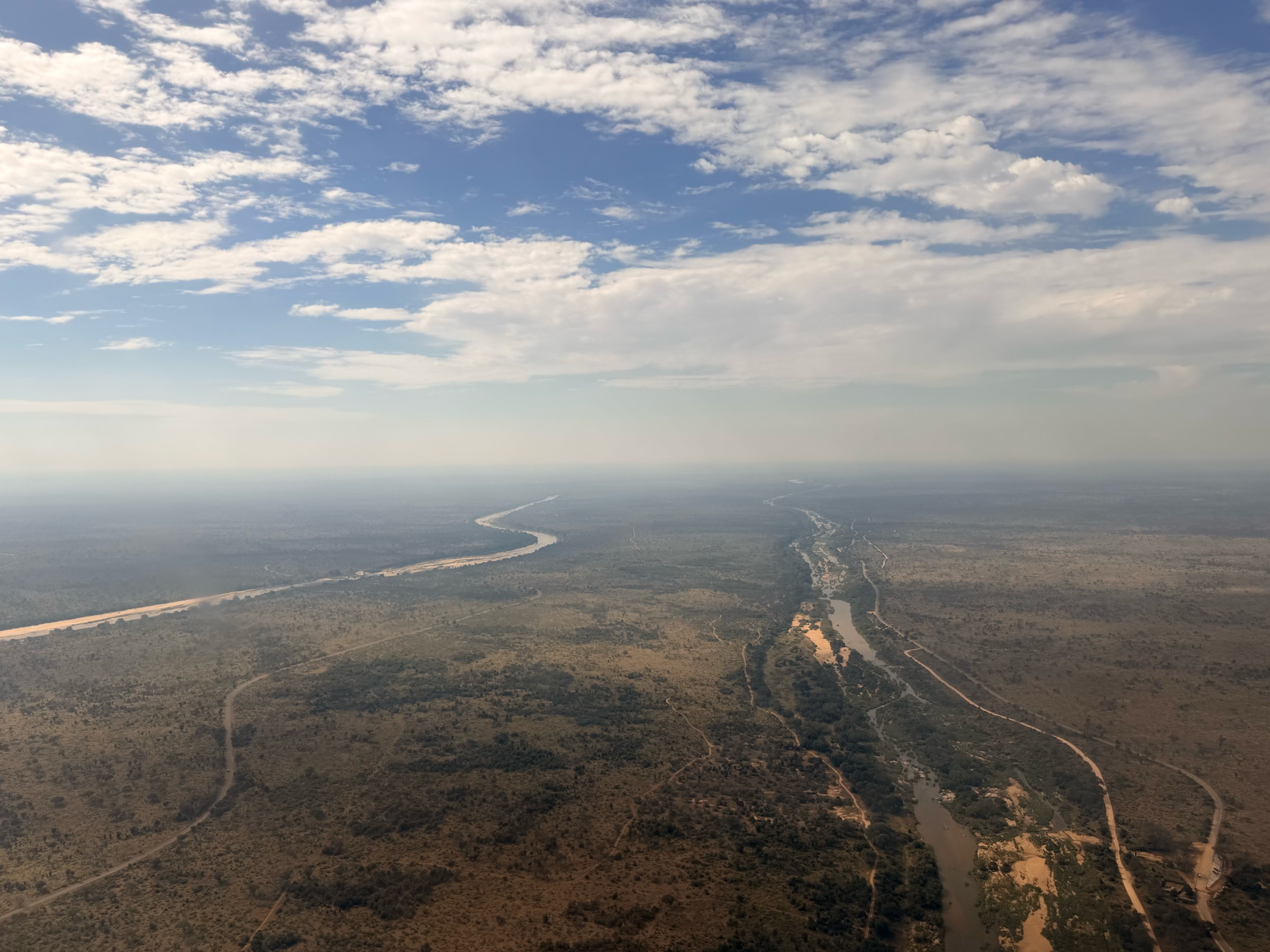
40,000 hectares of restored landscape, where trees once stood and were lost. Two and a half million marula, apple-leaf and other indigenous trees shading homestead gardens and reclaiming eroded soil across ten Traditional Authority chiefdoms. Springs that had stopped flowing, flowing again.
Families in Bushbuckridge and Acornhoek and Justicia, to name but a few, harvest their own trees each season — collecting fruit, pressing oil, earning from what they grow. A closed loop: the landscape feeds the household and the household feeds the landscape back.
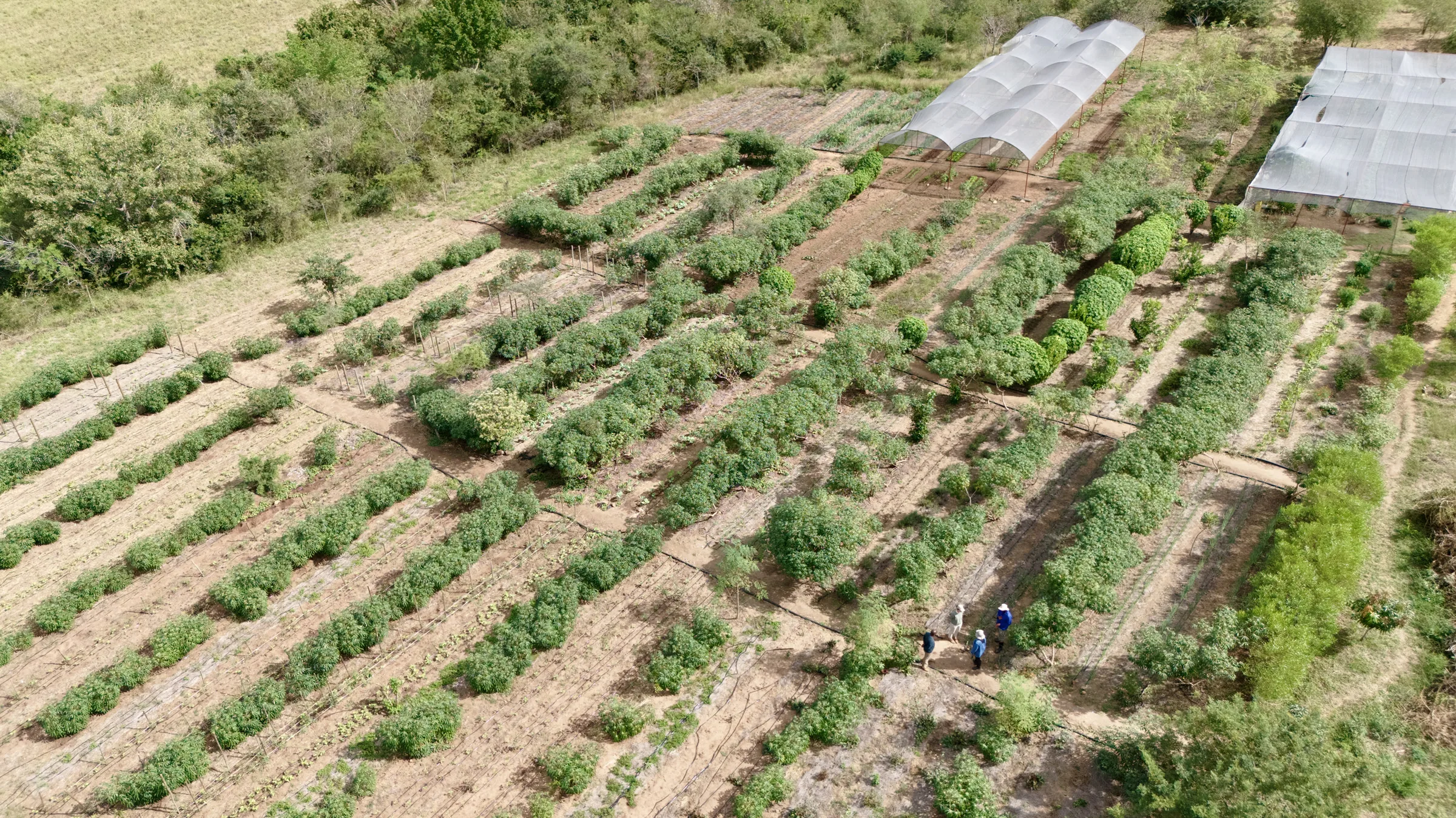
Nkhensani Dhlamini's farm, once a proof of concept for 126 seedlings, now the seed of a network. 120,000 tree custodians across the catchment. Most of them women. All of them earning from the tree.
The Sabie and Sand Rivers running clear into the Kruger National Park. Maputo's transboundary water supply protected. Millions of tonnes of carbon drawn back into the soil, verified, and traded — the market financing the restoration of the thing it needed all along.

Two hands, cupped around a river — not to dam it, not to extract from it, but to protect it in the act of use. The S at the centre is two things at once: the letter for saving and the shape of the Sabie and Sand Rivers themselves. The hands on either side: strength, unity, the safeguarding of something that cannot protect itself alone.
Underneath all of it runs a Tsonga proverb carried in this land for generations.
Swandla swa hlambhisana.One hand cannot wash itself. One household cannot restore a catchment. One institution cannot hold a forty-year commitment alone. The logo is the project. The project is the proverb. The river runs between.
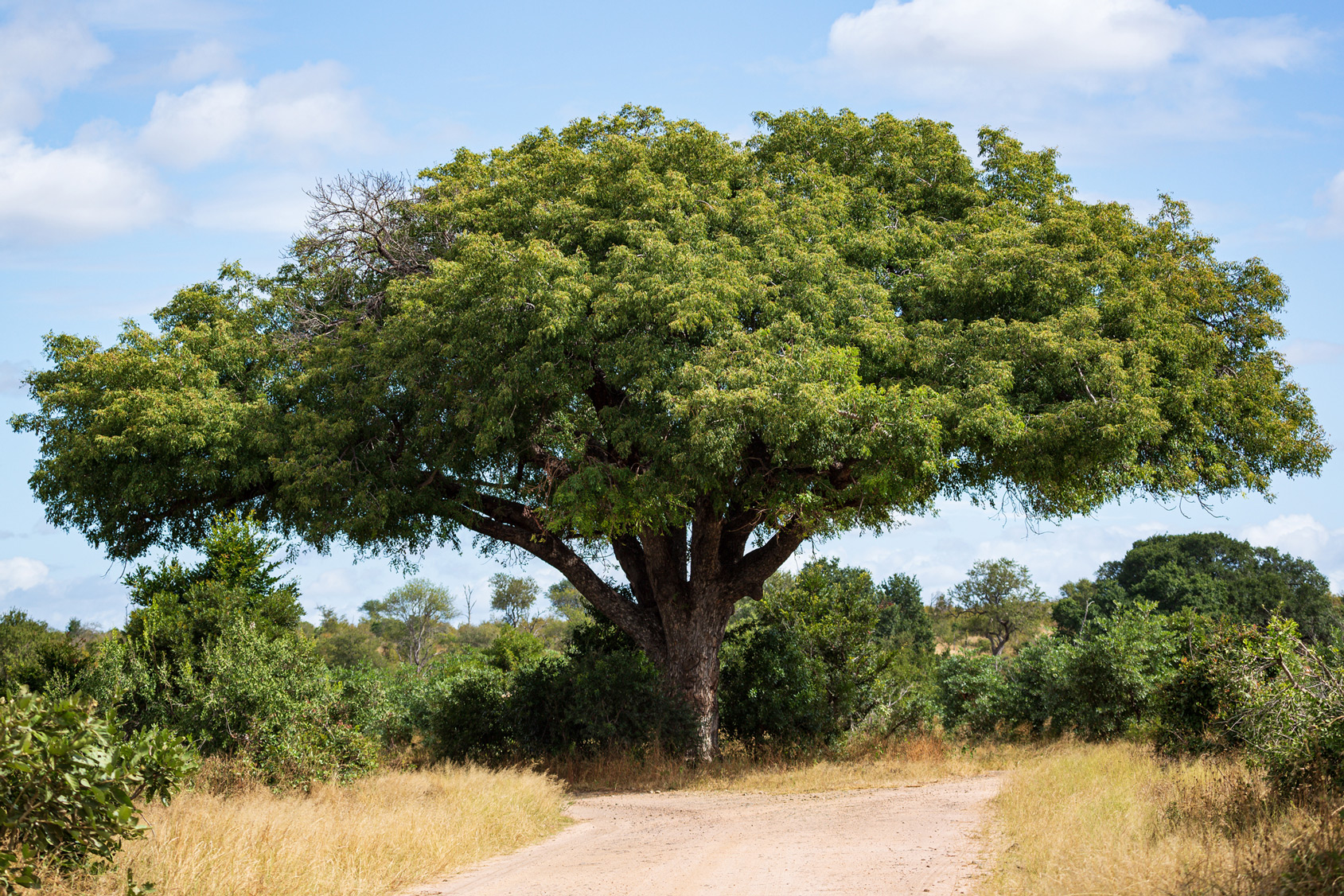
The marula has stood at the centre of life in the Lowveld since before memory. Under its wide canopy, families gathered to talk, to decide, to reconcile. All problems, it is said, are solved beneath the marula tree. In the shade of its branches, the pace of life slows and something ancient awakens.
The marula is the marriage tree — a living symbol of fertility, continuity, and the sacred bonds between people and land. Its golden fruit feeds wildlife and households alike. Its kernel yields one of nature's most powerful oils. It is considered a gift from the ancestors. It has been here longer than any project, longer than any government, longer than any market.
We chose to start with the marula because the marula is already trusted.
The soil keeps the river. The river keeps the household. The household keeps the tree. That is the whole logic of this economy, compressed into five moments across fifty years.
The same forty-year commitment, approached through three interlocking projects. Each stands on its own economics. Together, they are the closed loop.
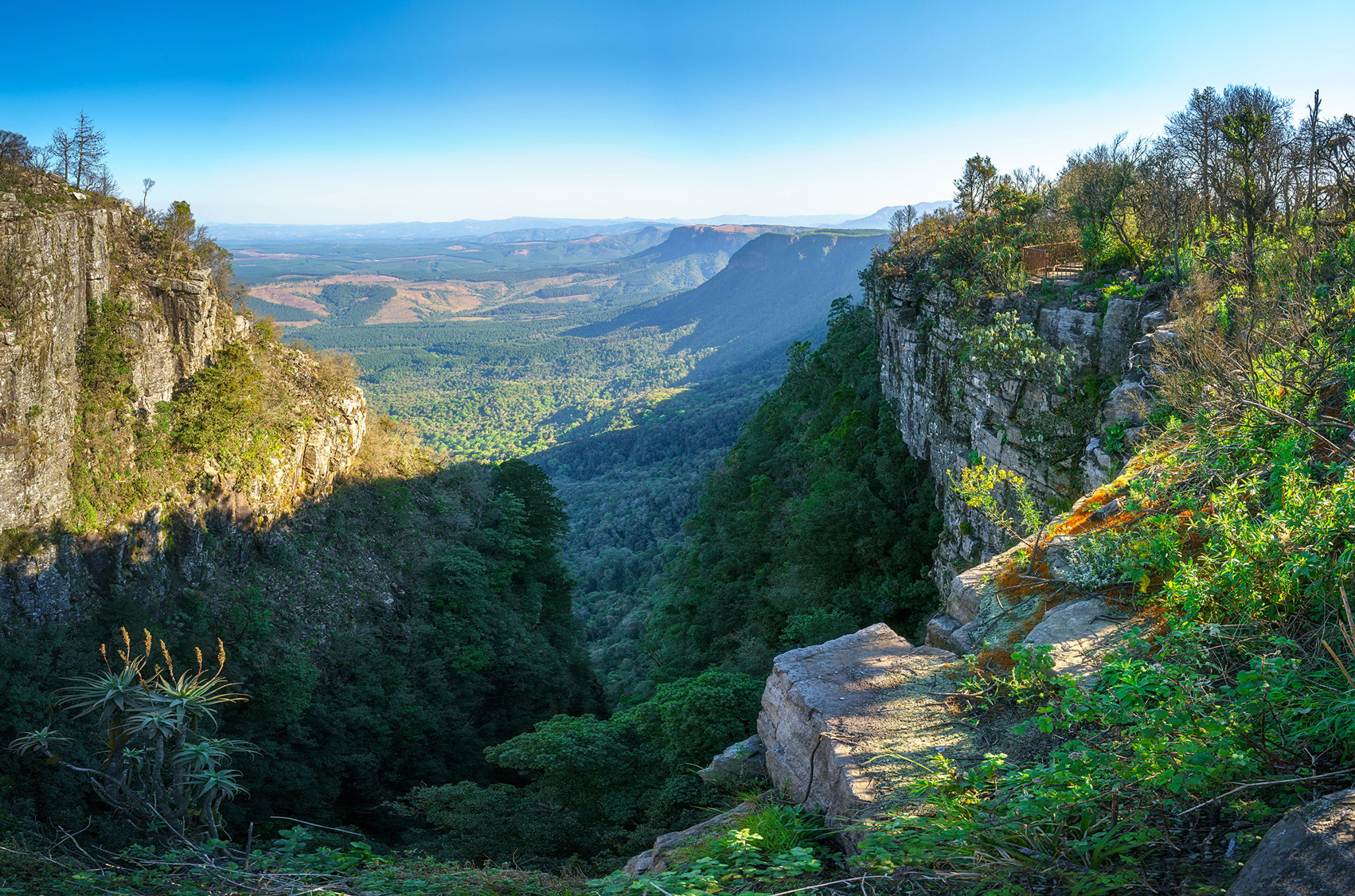
A Verra-registered ARR carbon project under validation. VCS 5375, CCB Gold, VM0047 — the market financing the restoration of the landscape it always needed.
See the carbon case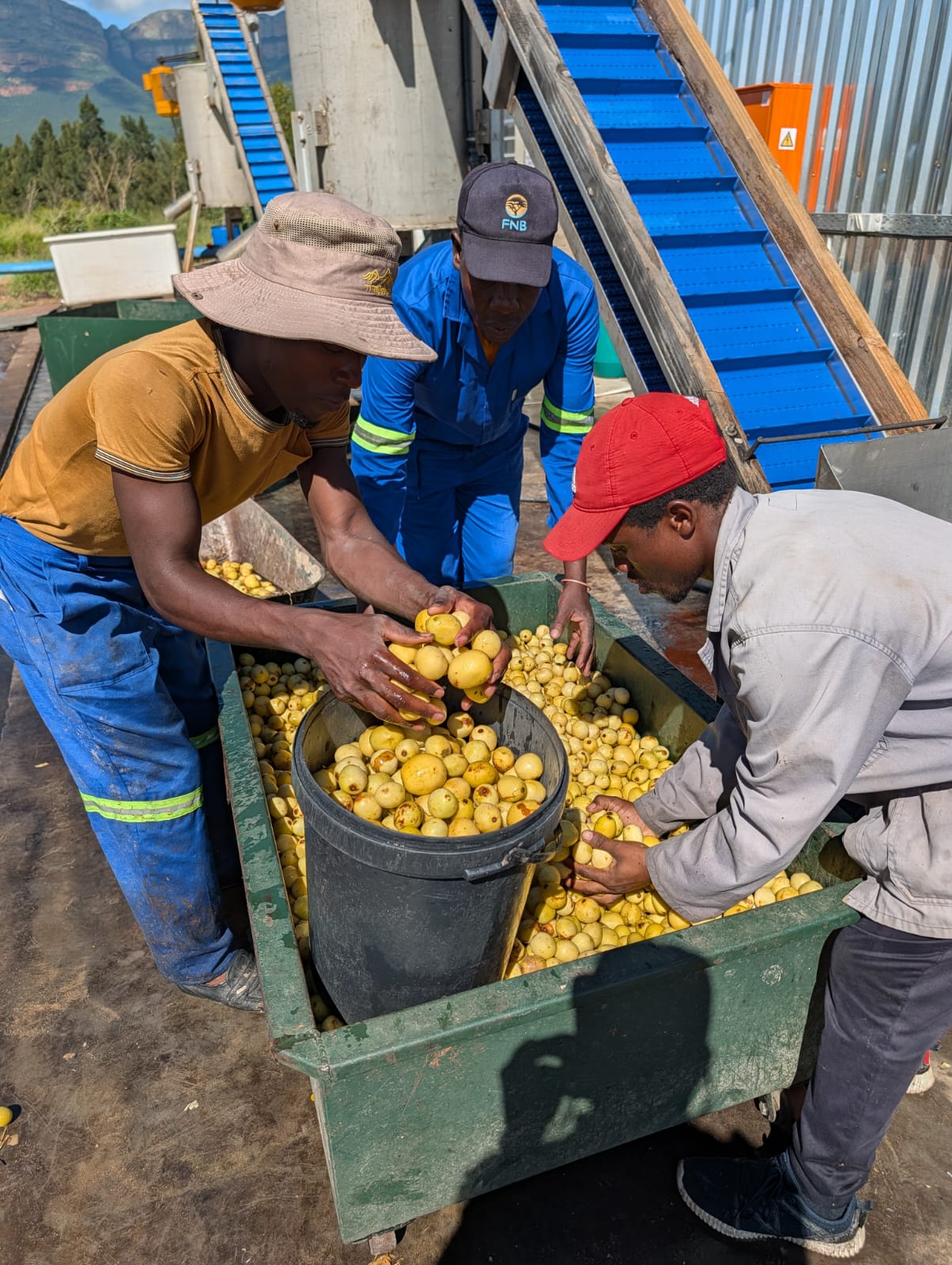
Community nurseries, household harvest, micro-enterprise processing, global offtake. A closed-loop commodity chain — already moving its first kernels in 2026.
Inside Marula Magic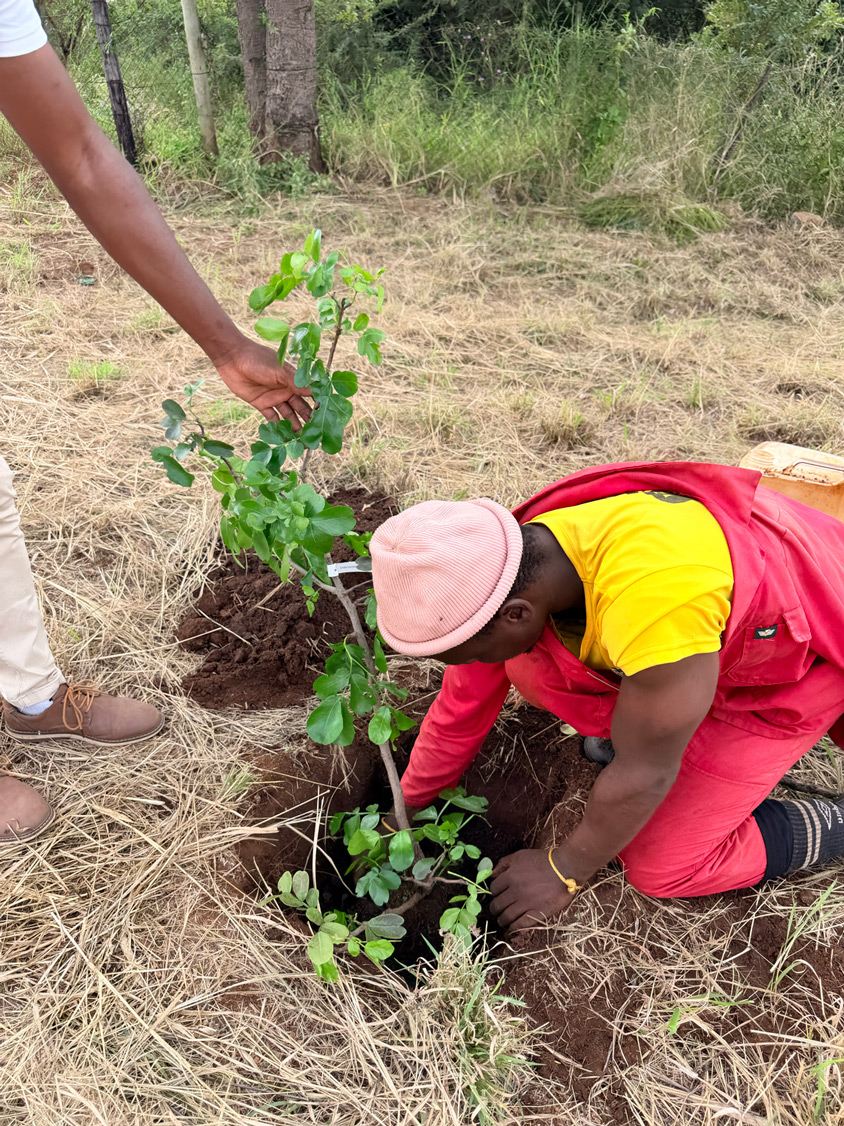
Sponsor a Guild — 10 hectares, 500 trees, one forty-year commitment. Indigenous species placed in the hands of household custodians across ten chiefdoms.
Plant with usEight Traditional Authorities. Five sequenced planting phases. Five propagation nurseries and five Good Work Foundation learning centres. The whole picture, in one map.
Scoping, feasibility, scientific modelling, and Free Prior and Informed Consent engagement across six Traditional Authority chiefdoms. The result: Verra VCS 5375. CCB Gold Level. Independent validation. Pilot planting operational. This is not a concept. It is a movement.
Partners, buyers, and allies who bring genuine alignment to a 40-year commitment.
We use cookies for anonymized analytics so we can improve this site. See our privacy policy.