In the field
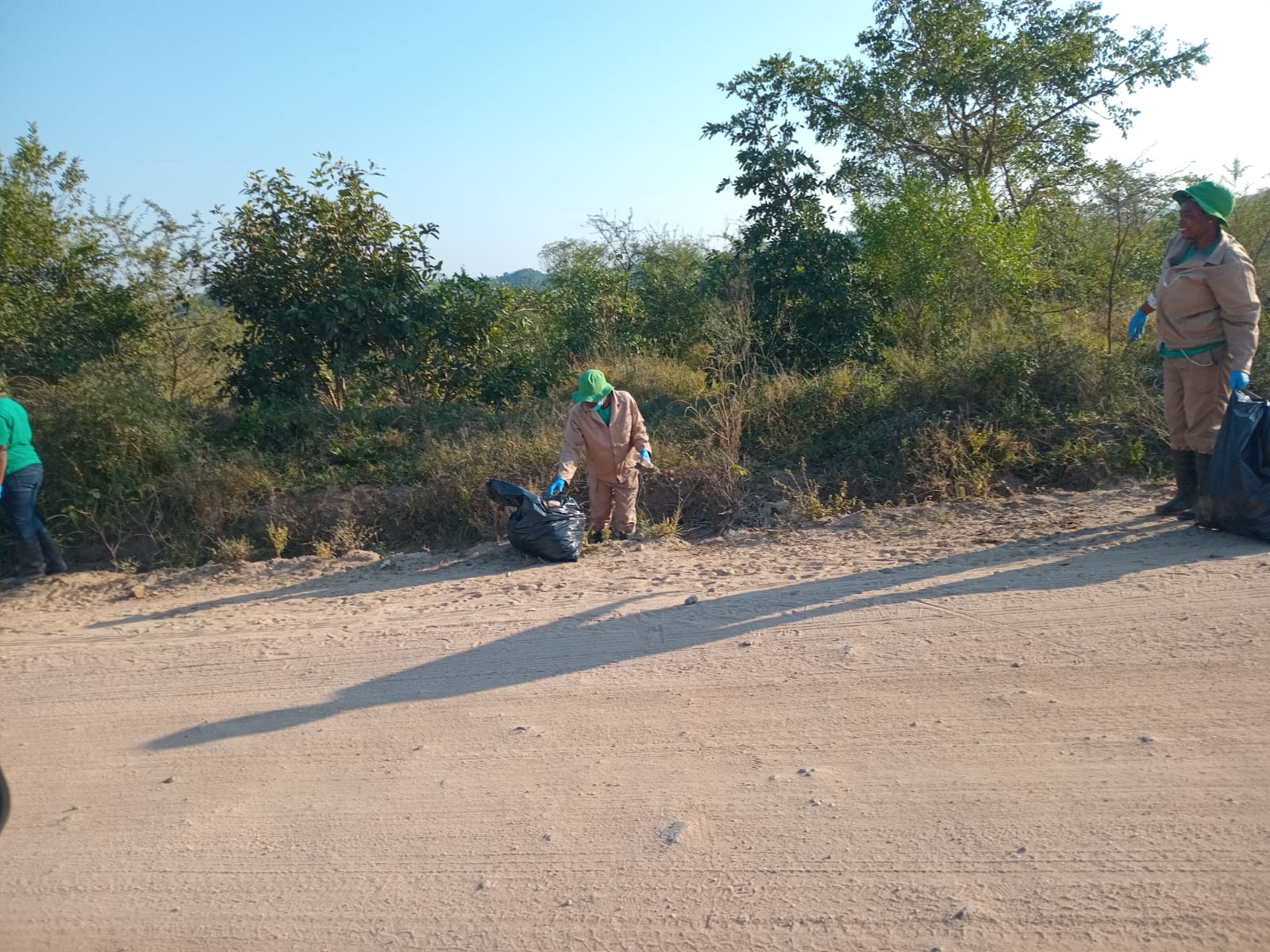
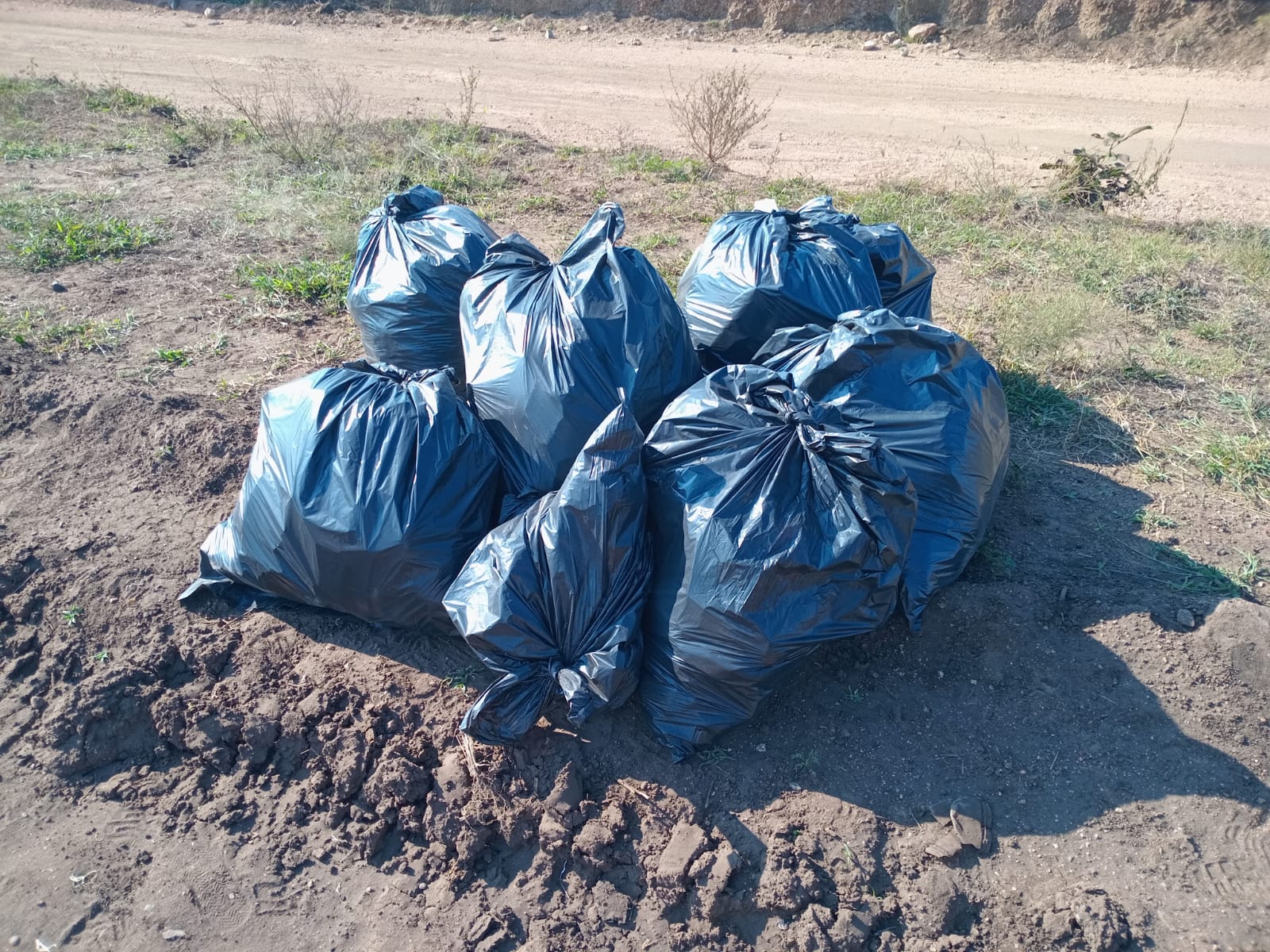
Sand River Clean-Up
1/5
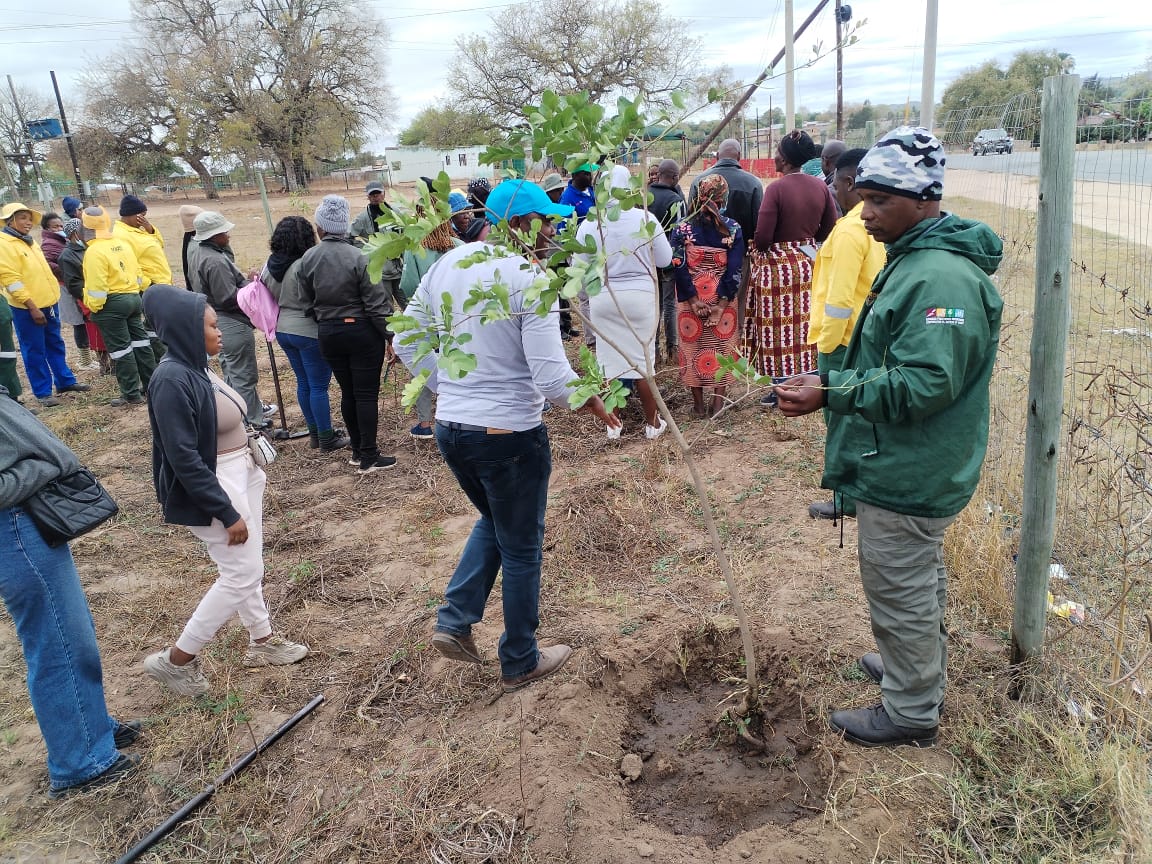
Sand River clean-up · Bushbuckridge
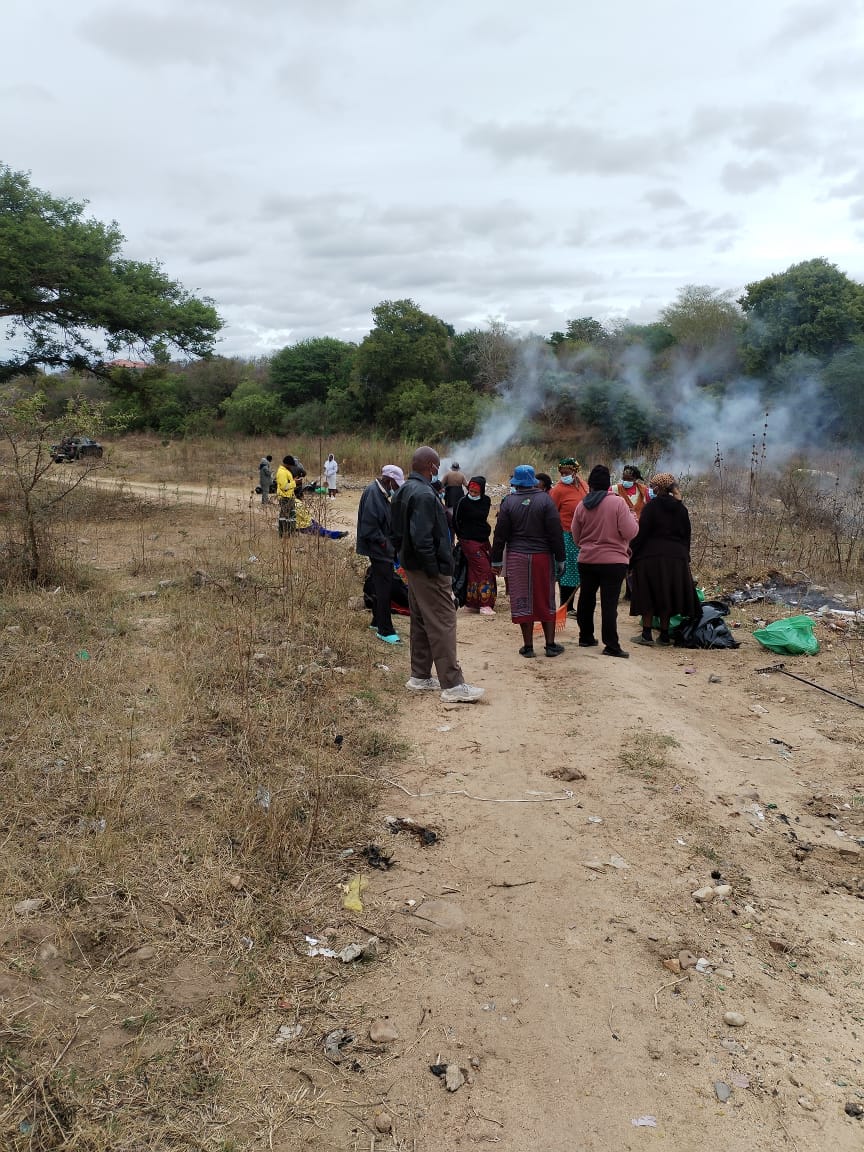
Sand River clean-up · Bushbuckridge
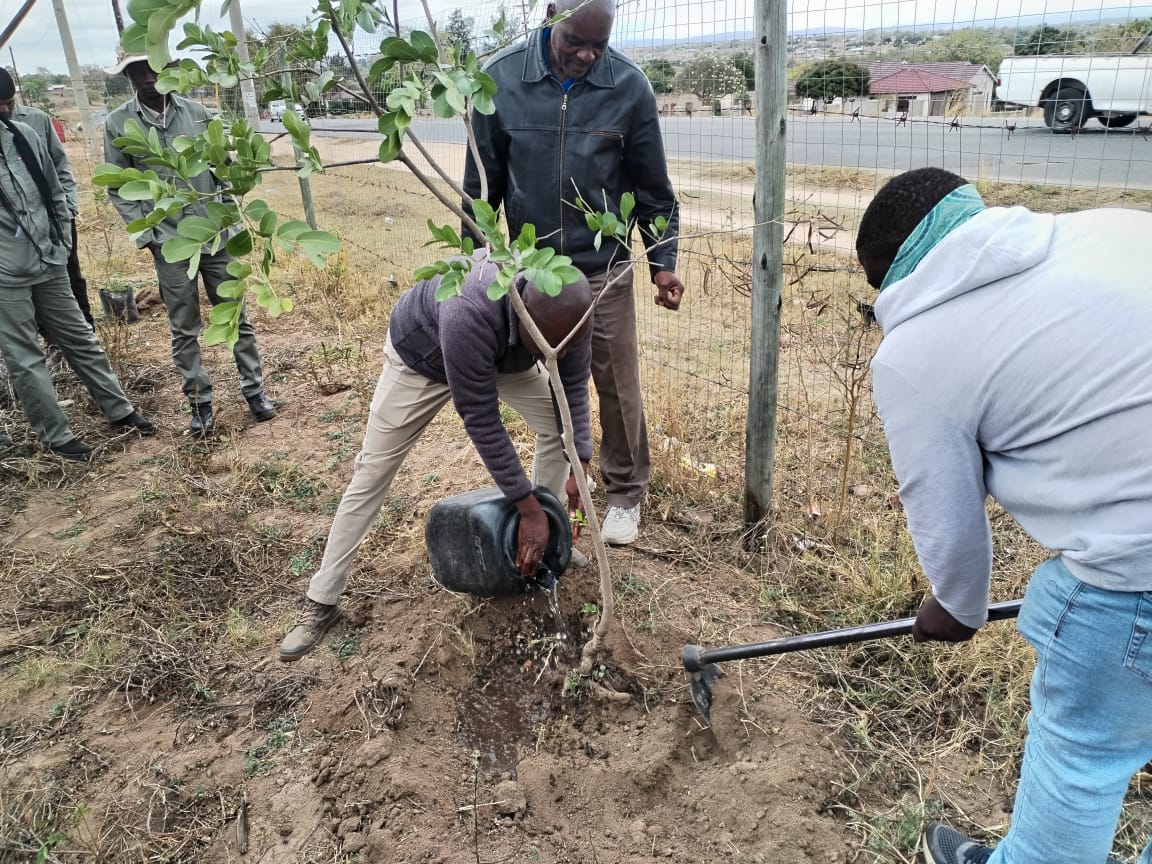
Sand River clean-up · Bushbuckridge
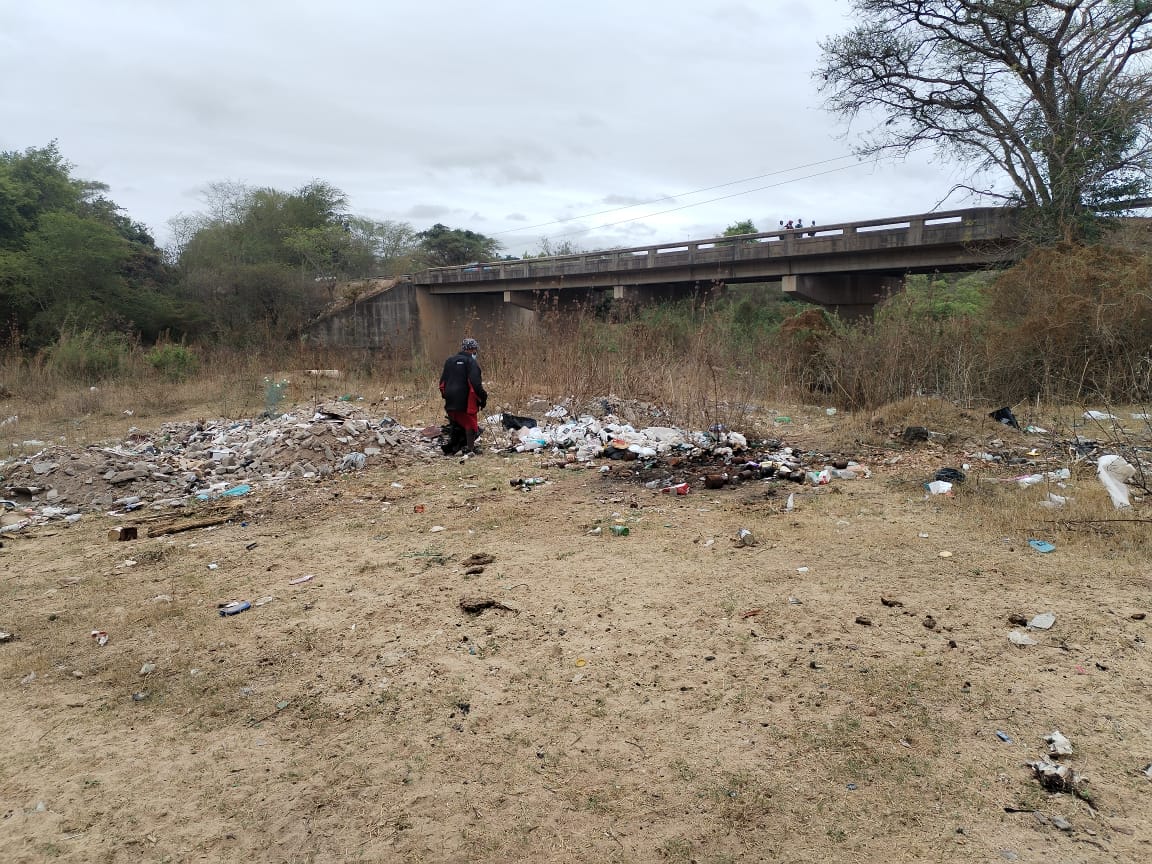
Sand River clean-up · Bushbuckridge
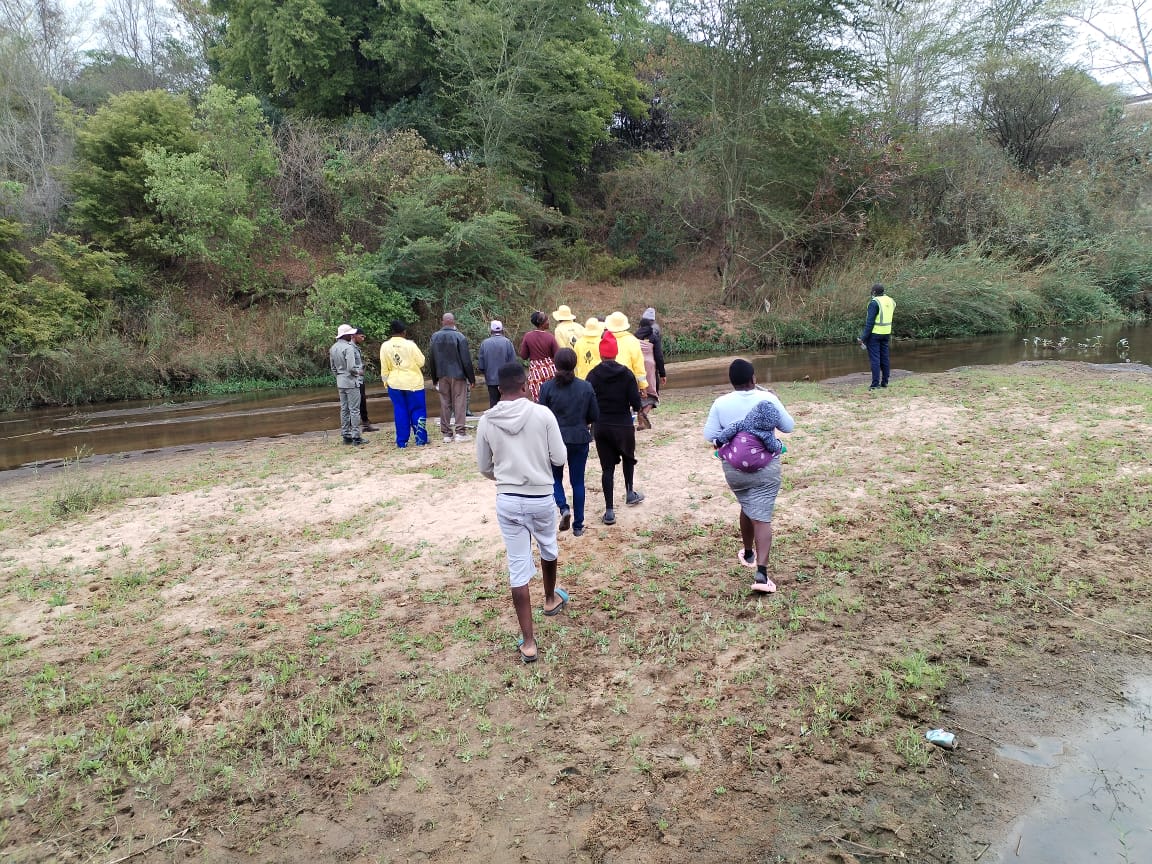
Sand River clean-up · Bushbuckridge
They are not waiting to be asked.
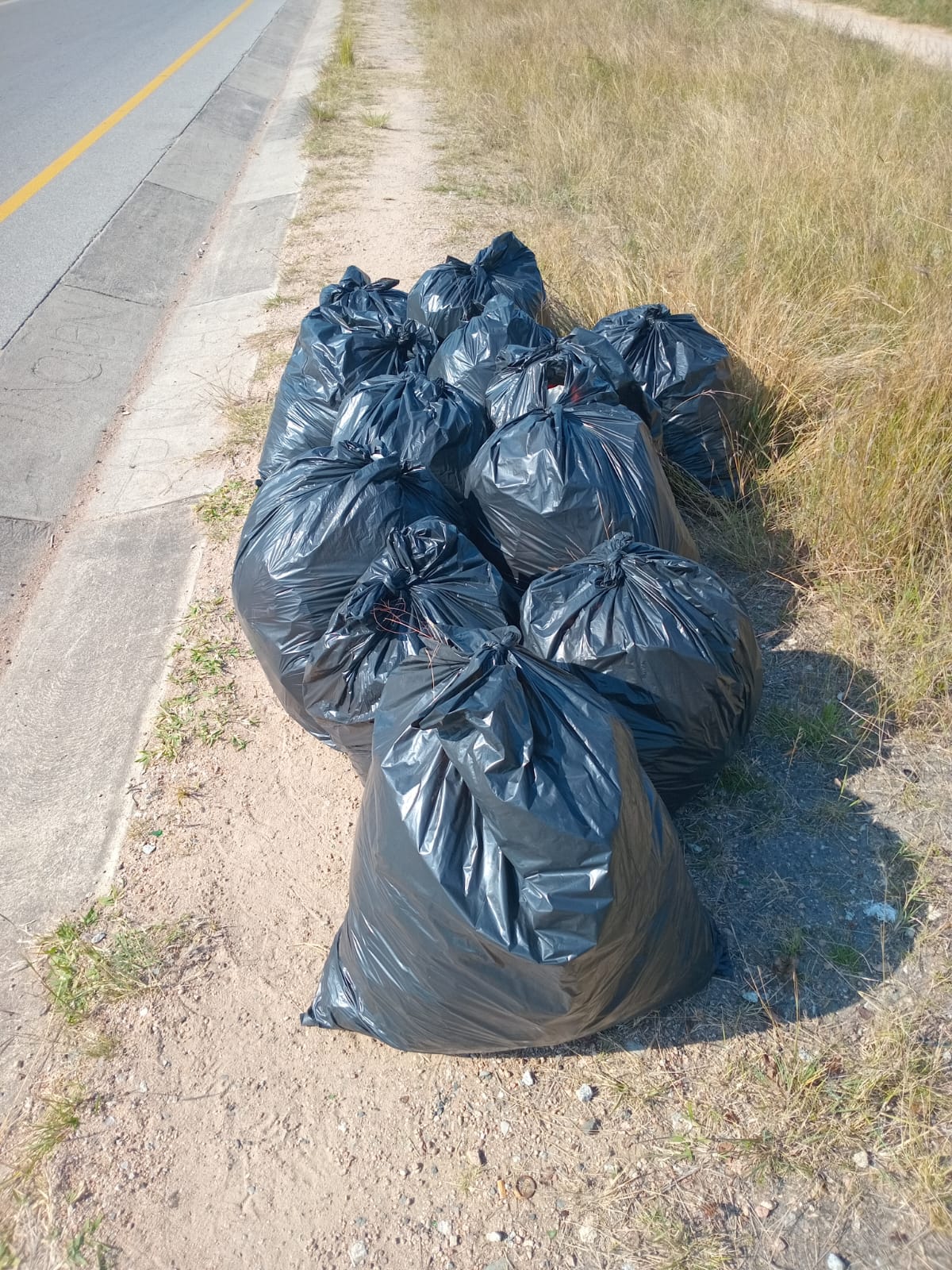
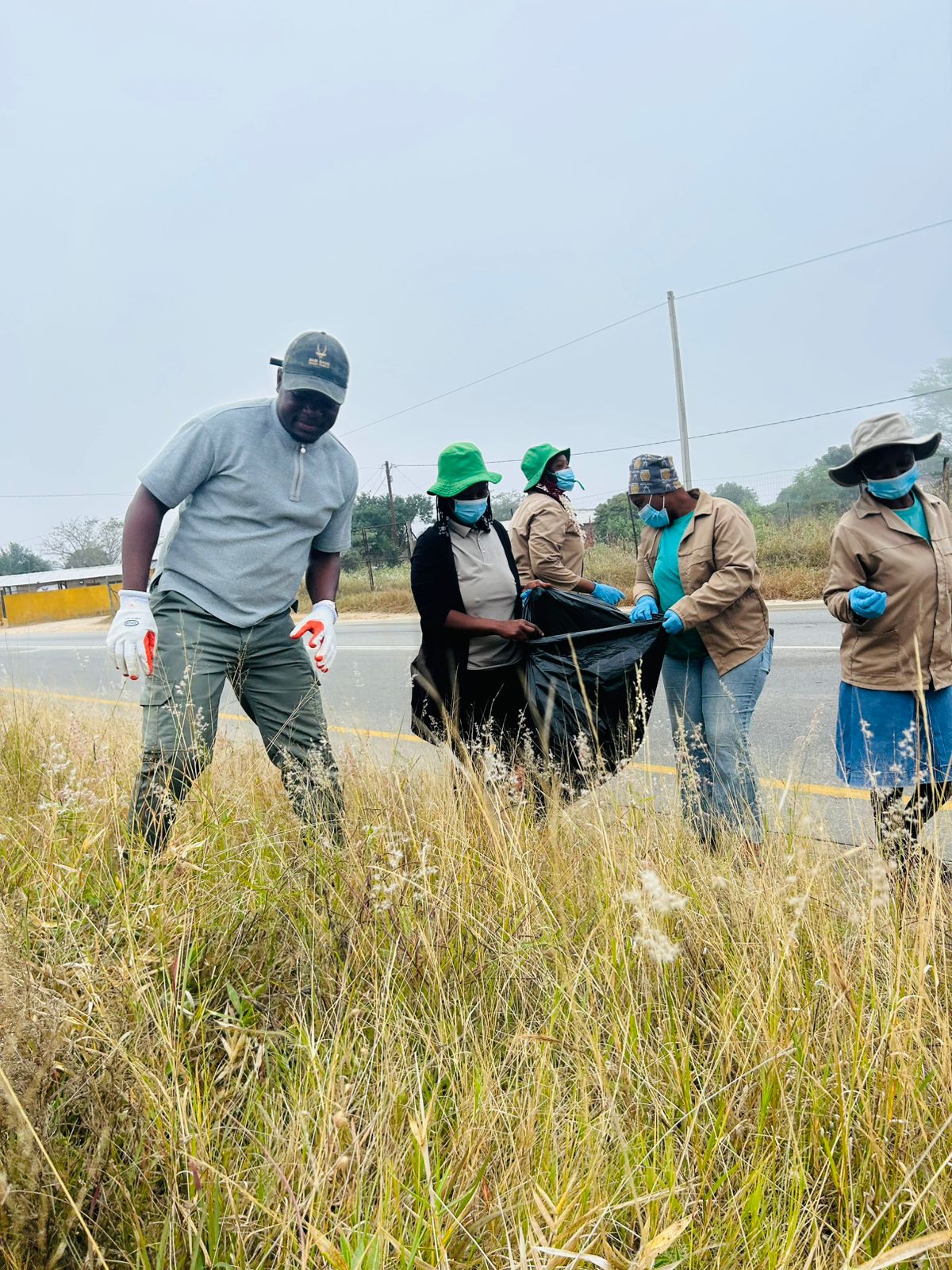
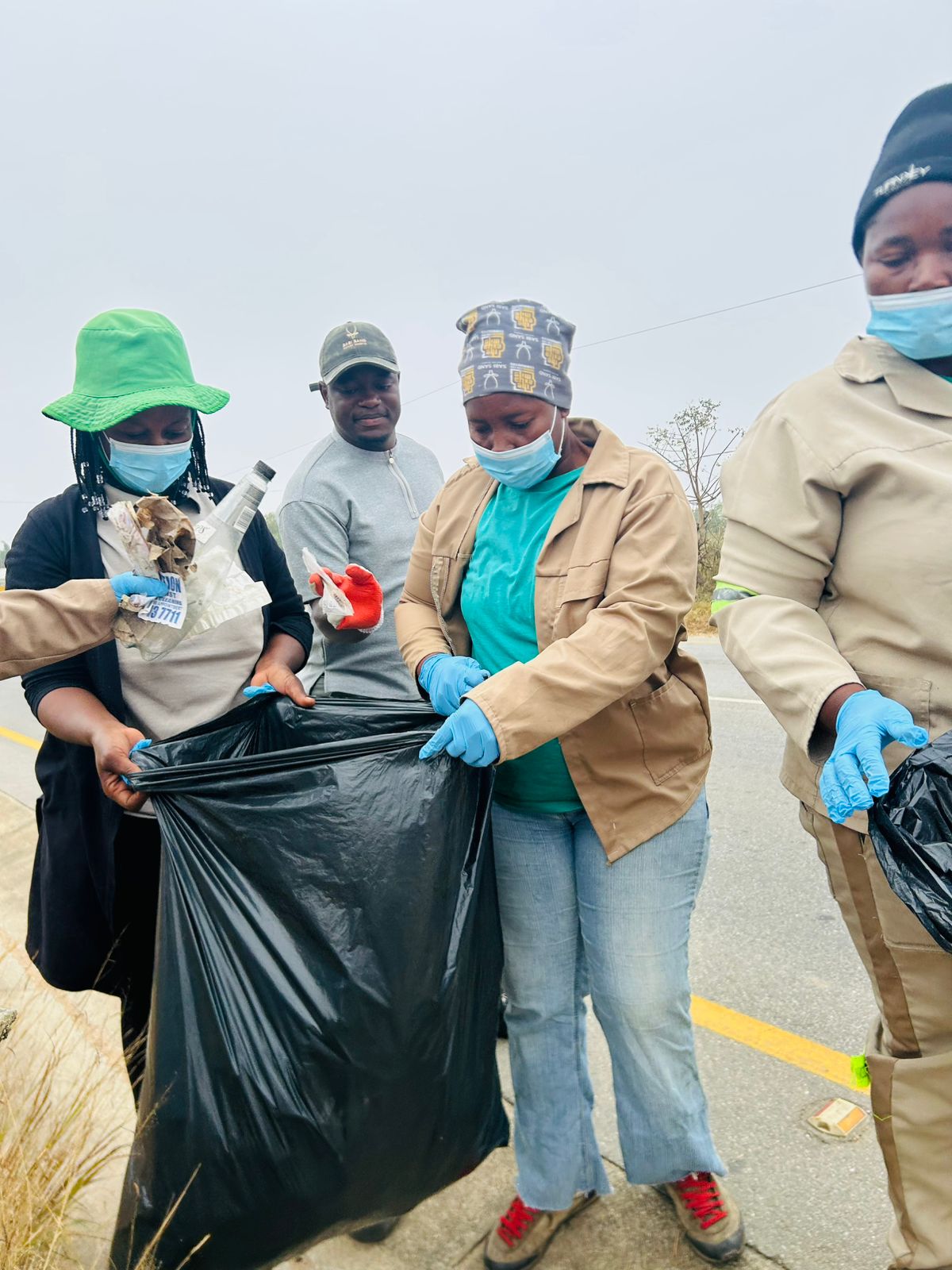
A group of people walks into the Sabie or the Sand and starts pulling rubbish out of it. Plastic bags caught in reeds. Bottles wedged into the bank. A blanket. A shoe. The kind of debris that arrives when a river becomes, by neglect, a dumping ground.
They are not employees. They are not contractors. There is no project office behind them.
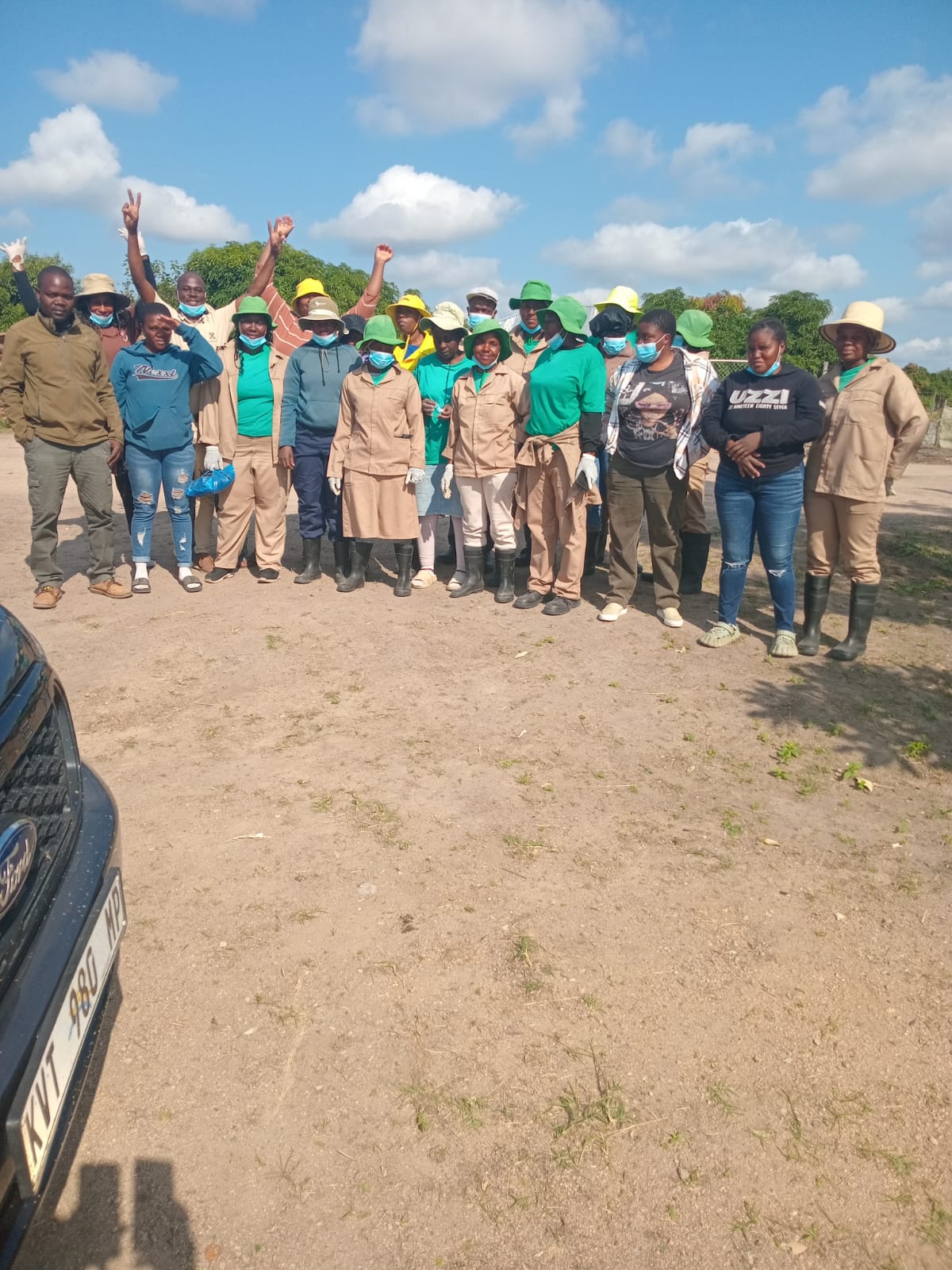
They are residents of villages along the Sabie and the Sand rivers and their various tributaries, organising themselves into community groups that meet regularly to do this work. Clearing waste from the river and its banks. Talking to neighbours about what ends up in the water. Calling municipal trucks when illegal dumping appears. Planting indigenous trees on the days they finish early, and educating children in the schools around the practice of stewardship.
Anyone can clean a river once. River-keeping is what happens the second time, and the time after that — when the headlines have moved on and only the river is left to notice.
The Sabie and the Sand rivers carry water from the northern Drakensberg foothills through the villages of Bushbuckridge, into Sabi Sand Nature Reserve, joining inside the Kruger, crossing into Mozambique via the Incomati, and out to Maputo Bay.
A river dies in stages. Litter is the first stage and the most visible. Behind it sit invasive alien plants choking the banks, sediment loads from disturbed soil, and the slow loss of indigenous trees that once held the water table. By the time a river is sick in any of these ways, it has usually been sick in all of them for years.
The reverse is also true. A river that is being watched, walked, and kept by the people who live alongside it heals in stages too. Waste comes out. Banks stabilise. Indigenous saplings get planted and stay planted because someone in the village knows where they are. Water quality, measured against bioindicators like the Mini-SASS — the citizen-science Stream Assessment Scoring System, which reads river health from the invertebrates living in it — begins to shift.
This is what river-keeping is. Not a campaign. A practice.
The upper Sabie–Sand catchment is governed across multiple Traditional Authorities. Each is its own land, its own villages, its own stretch of river or tributary. Together they hold the headwater country of a transboundary water system that ends at Maputo Bay.
River-keeping is most active in the eastern reach, where the Sand pushes toward the boundary of Sabi Sand Nature Reserve. In Amashangana, around Rolle, community groups have walked the river and its banks. In Jongilanga, the village volunteers of Huntington, Justicia, and Mabarhule have run river days along the stretch from Huntington to the Sabie River — the last stretch of the Sand before it joins the Sabie inside protected land. The Lillydale crossroads, near the Mhlahle primary school, has hosted gatherings that bring the wider village network into the work.
These are the villages doing it now. The other Traditional Authorities sit in the wider conversation about the catchment's future; the river-keeping itself follows the river.
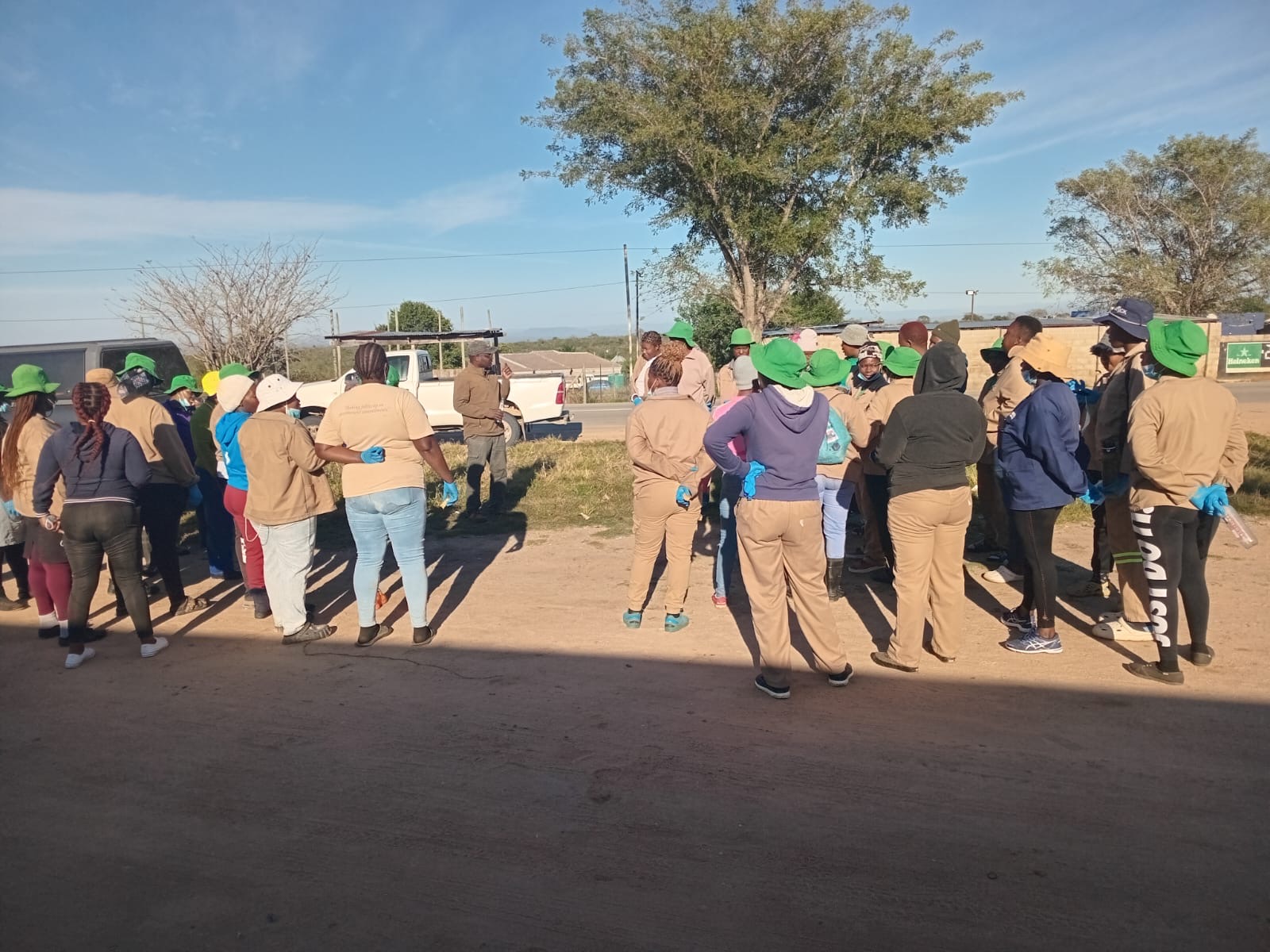
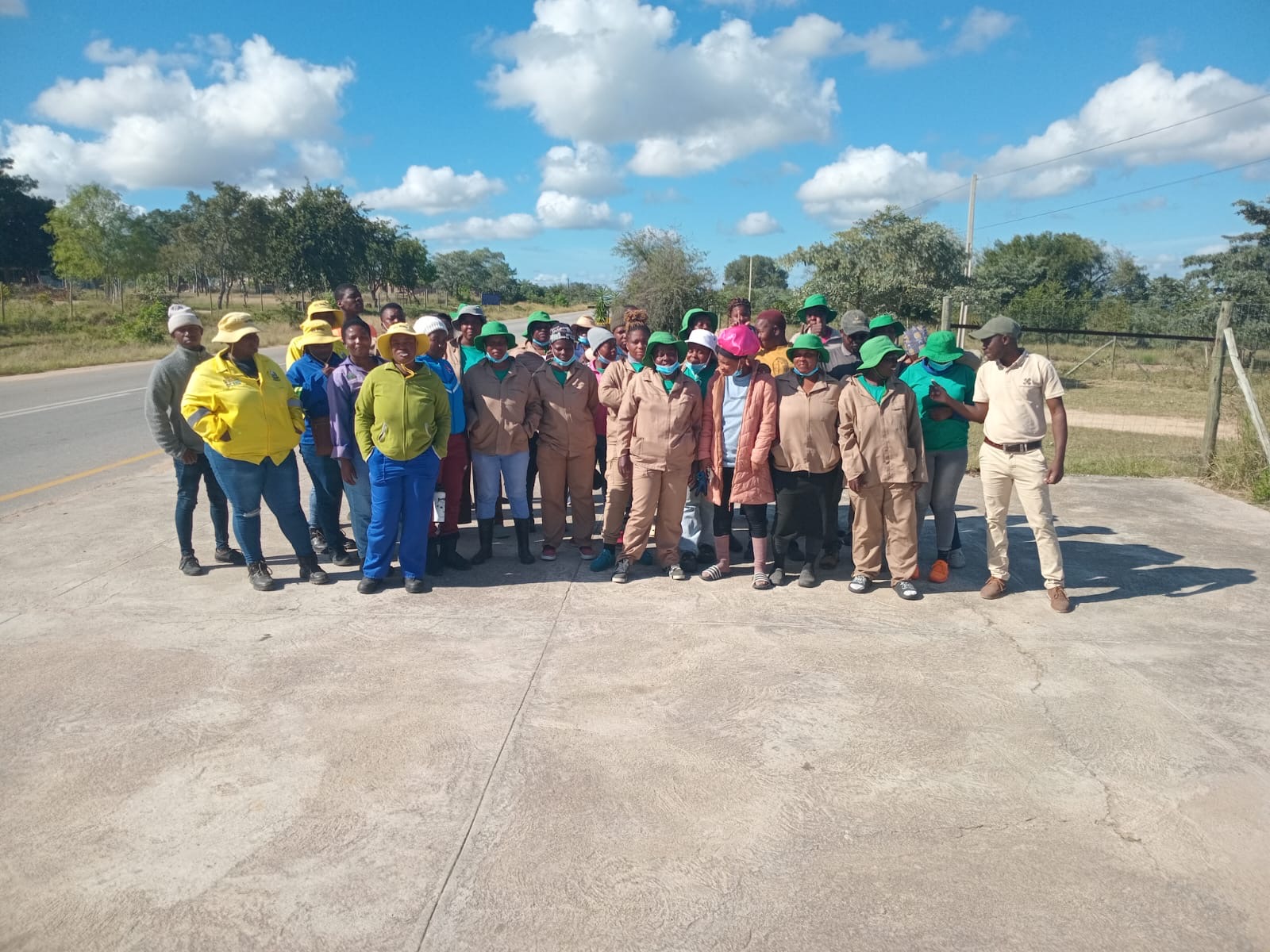
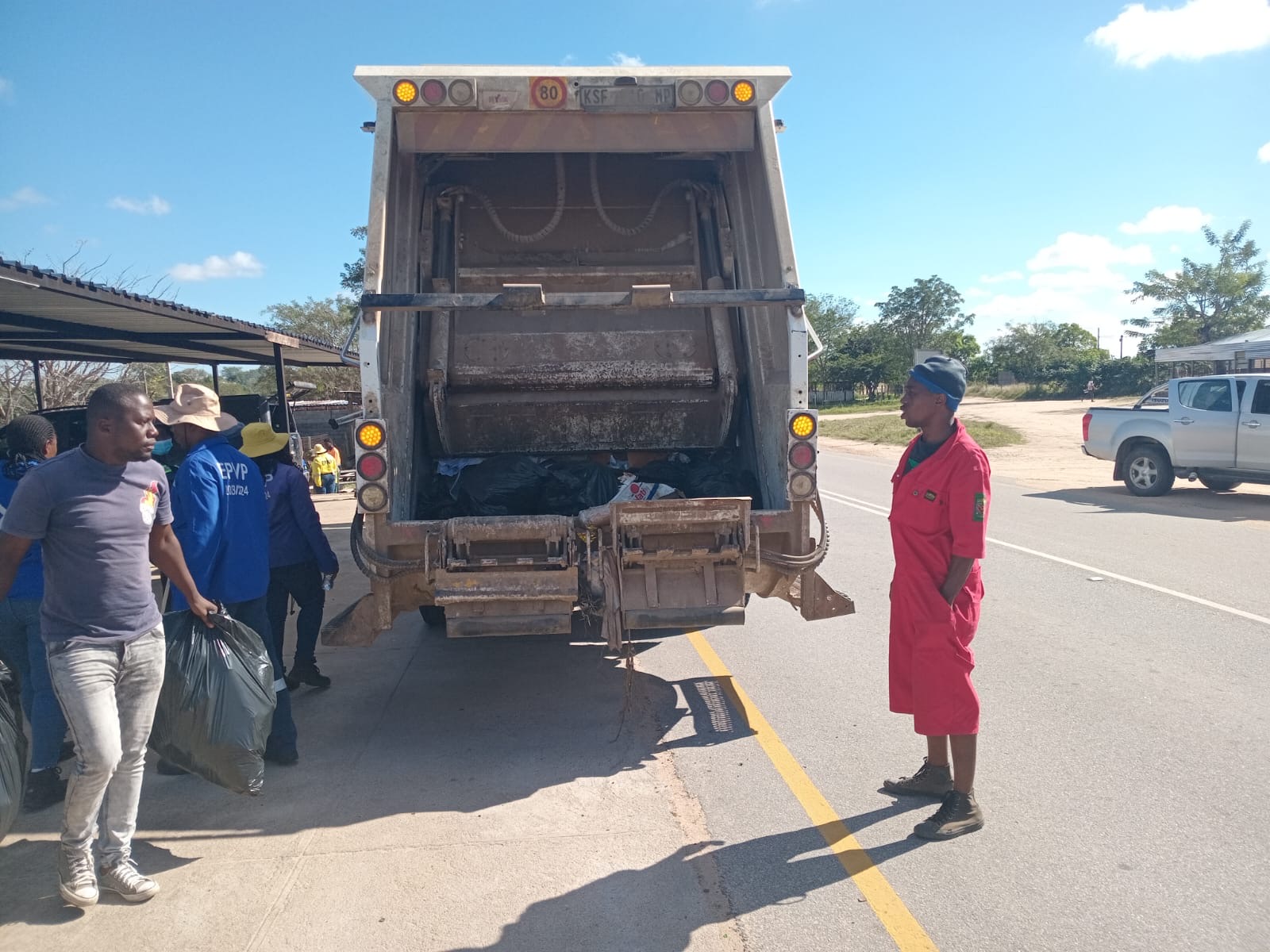
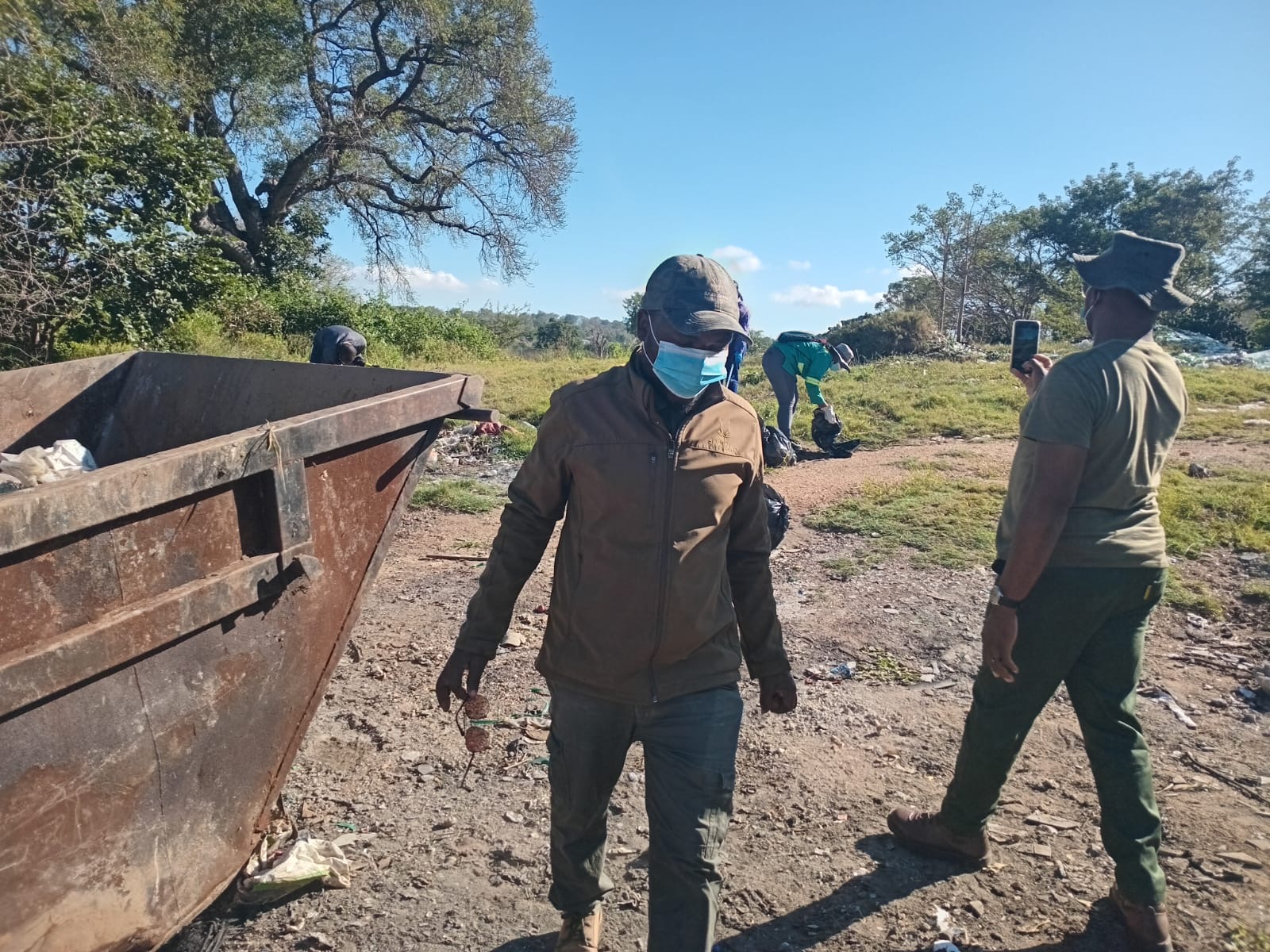
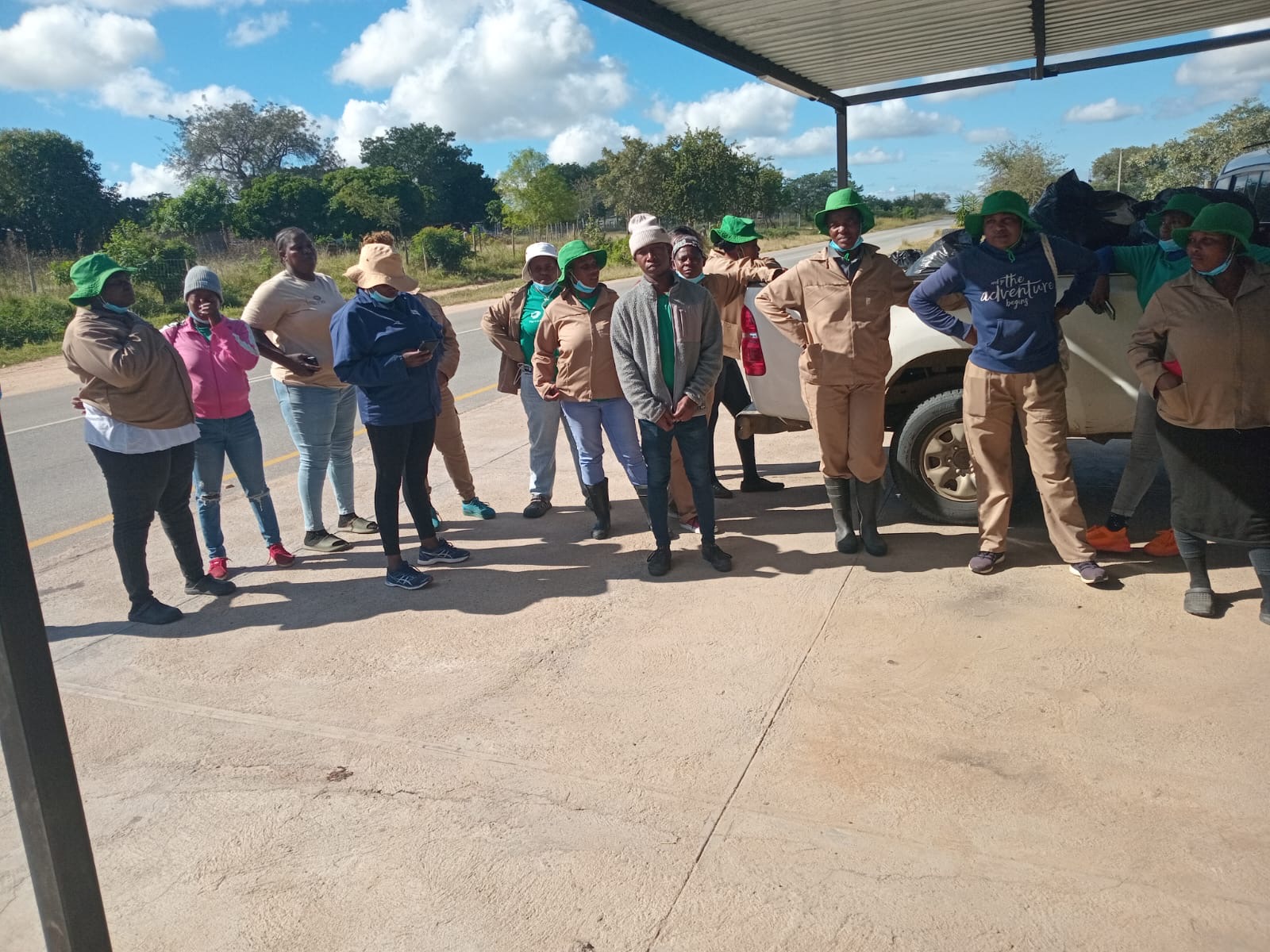
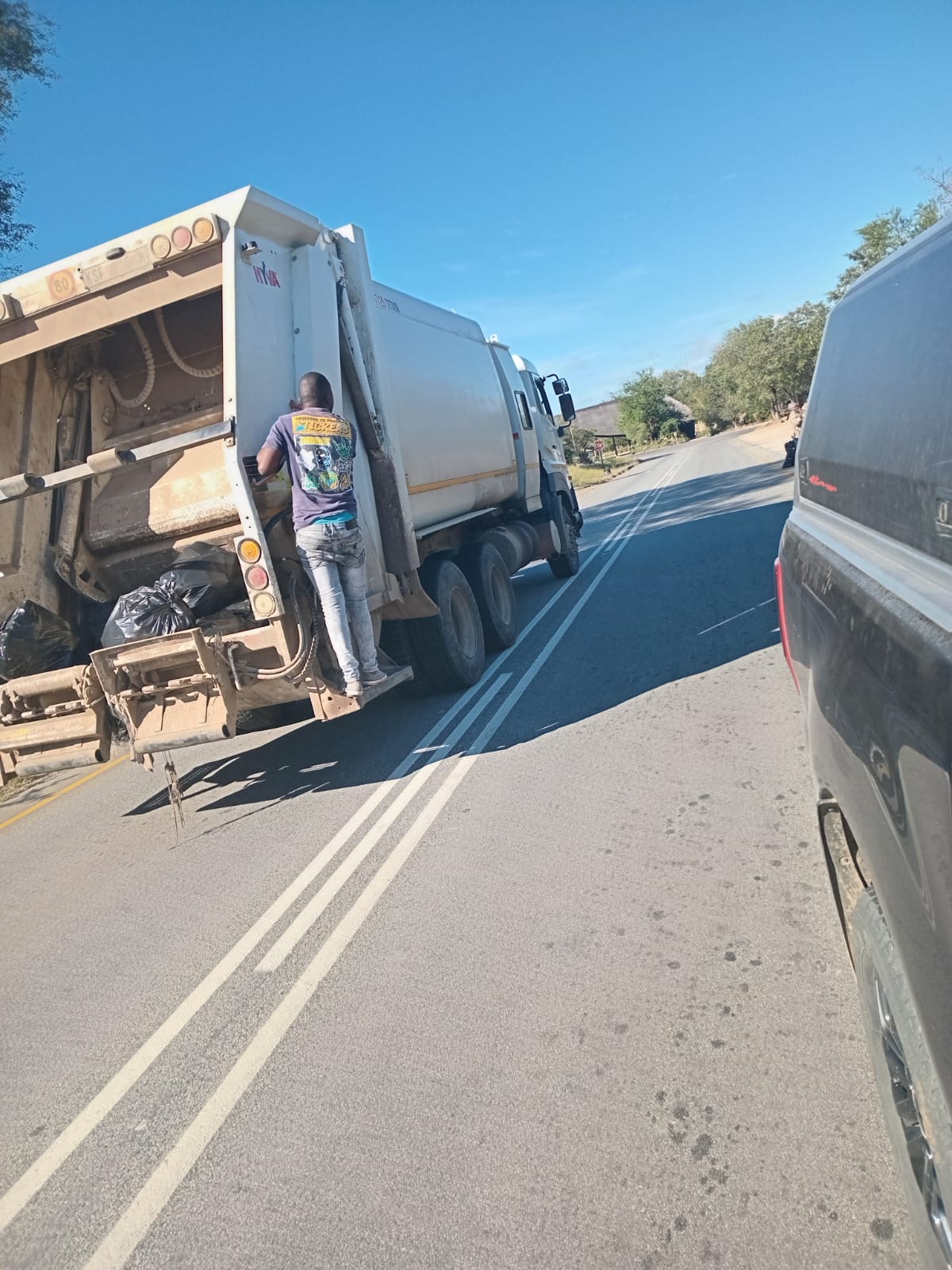
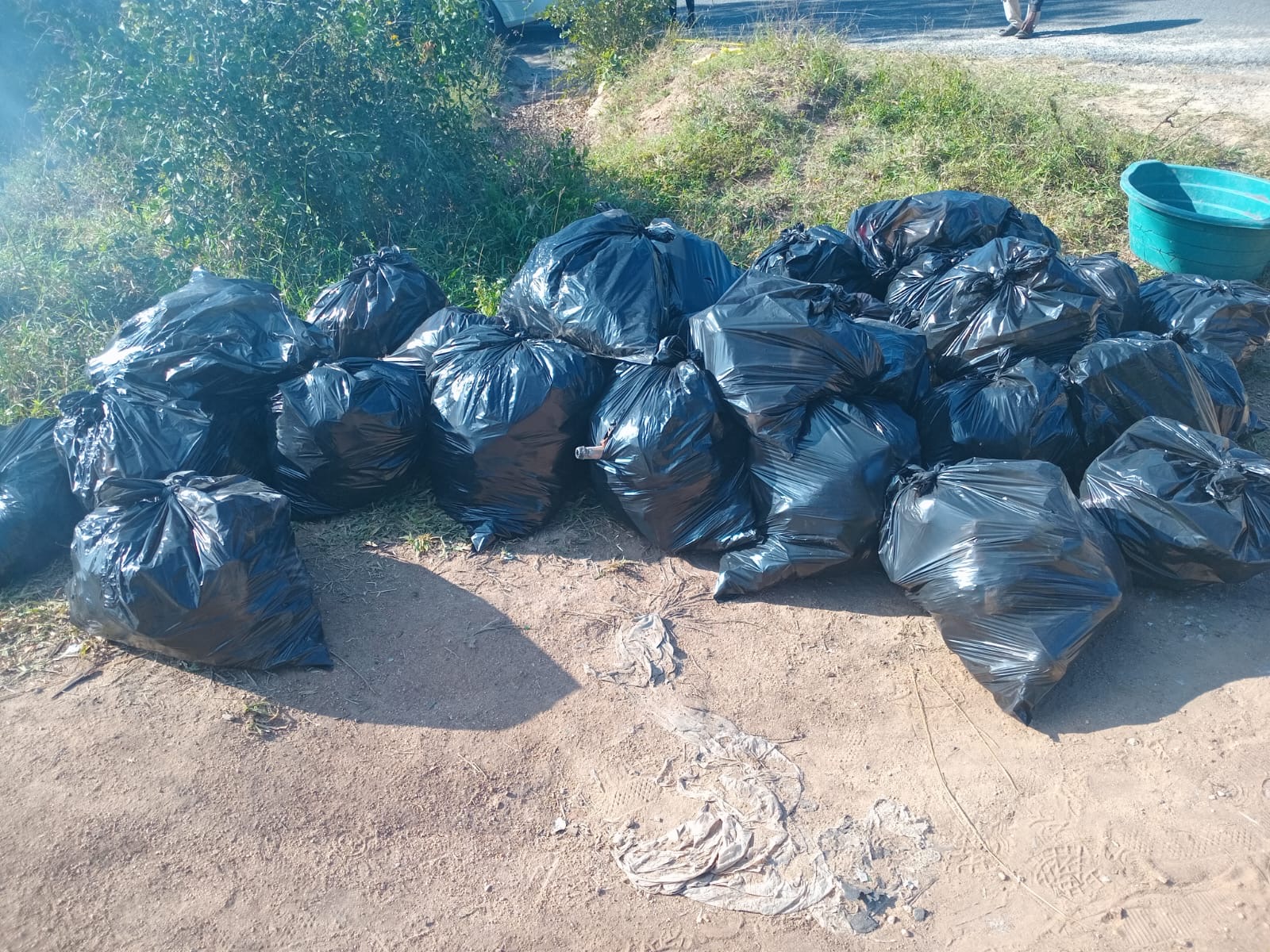
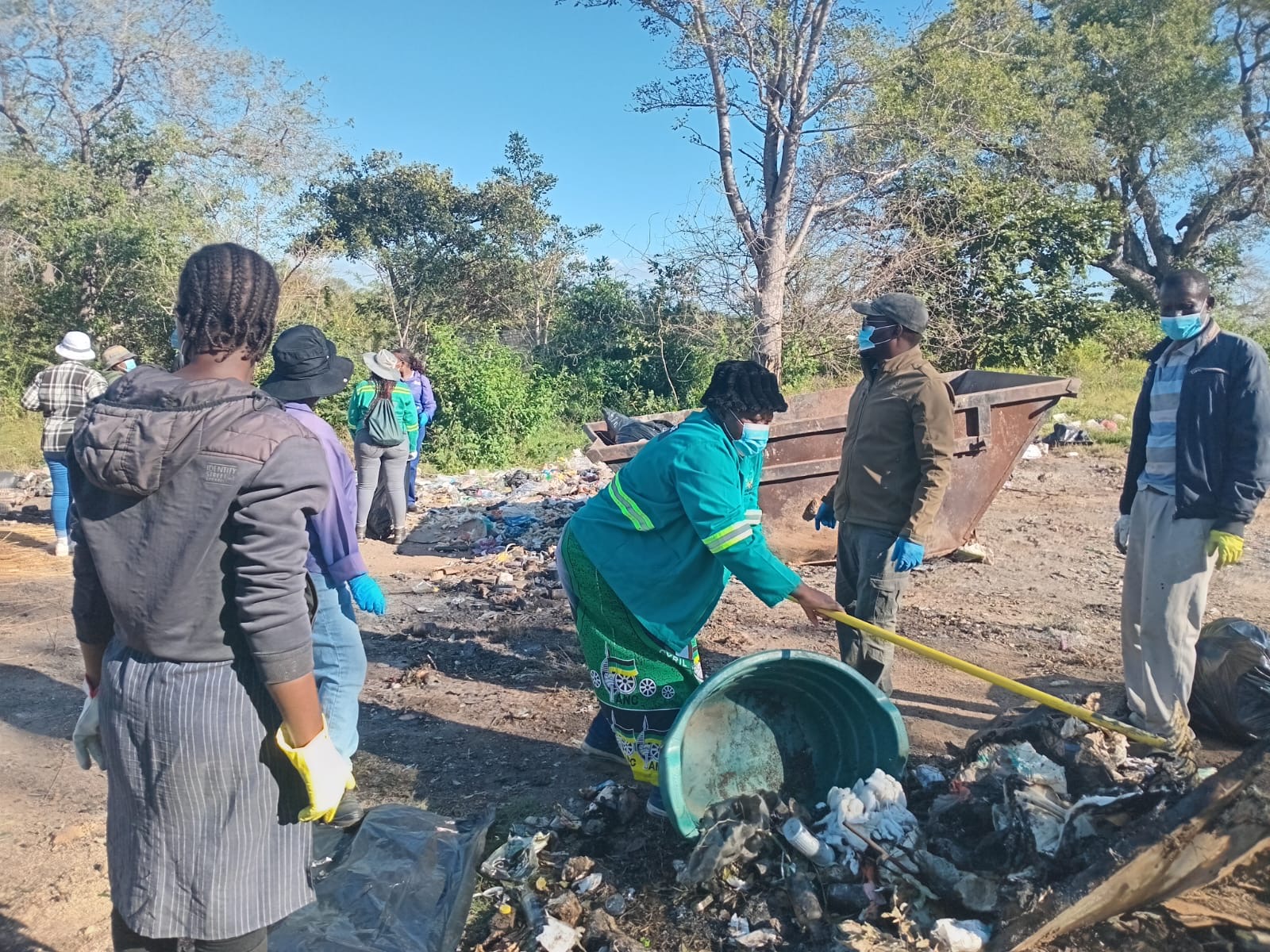
Community groups are running their own river days. Around them, a coalition has formed — not a programme, an emergence.
The Bushbuckridge Local Municipality coordinates waste collection. The K2C Biosphere supports alien plant clearing. SANParks and the Sabi Sand come in from the downstream side, recognising that the water arriving at their fenceline is the water the villages have just walked. The Londolozi Ripple Fund sends staff and supplies. Local waste enterprises collect what is cleared and pull recyclables out of the stream. The Traditional Councils sit across all of it, on questions of land, access, and custom.
This is the grassroots coordination layer of a Public–Private–Community Partnership taking shape across the catchment. Not designed from above. Surfacing from the work itself.
The cause is upstream of all of them. A generation of people deciding, without being asked, that the river running past their homes is theirs to keep.
It cannot be installed from outside. It can only be recognised, supported, and resourced where it already exists.
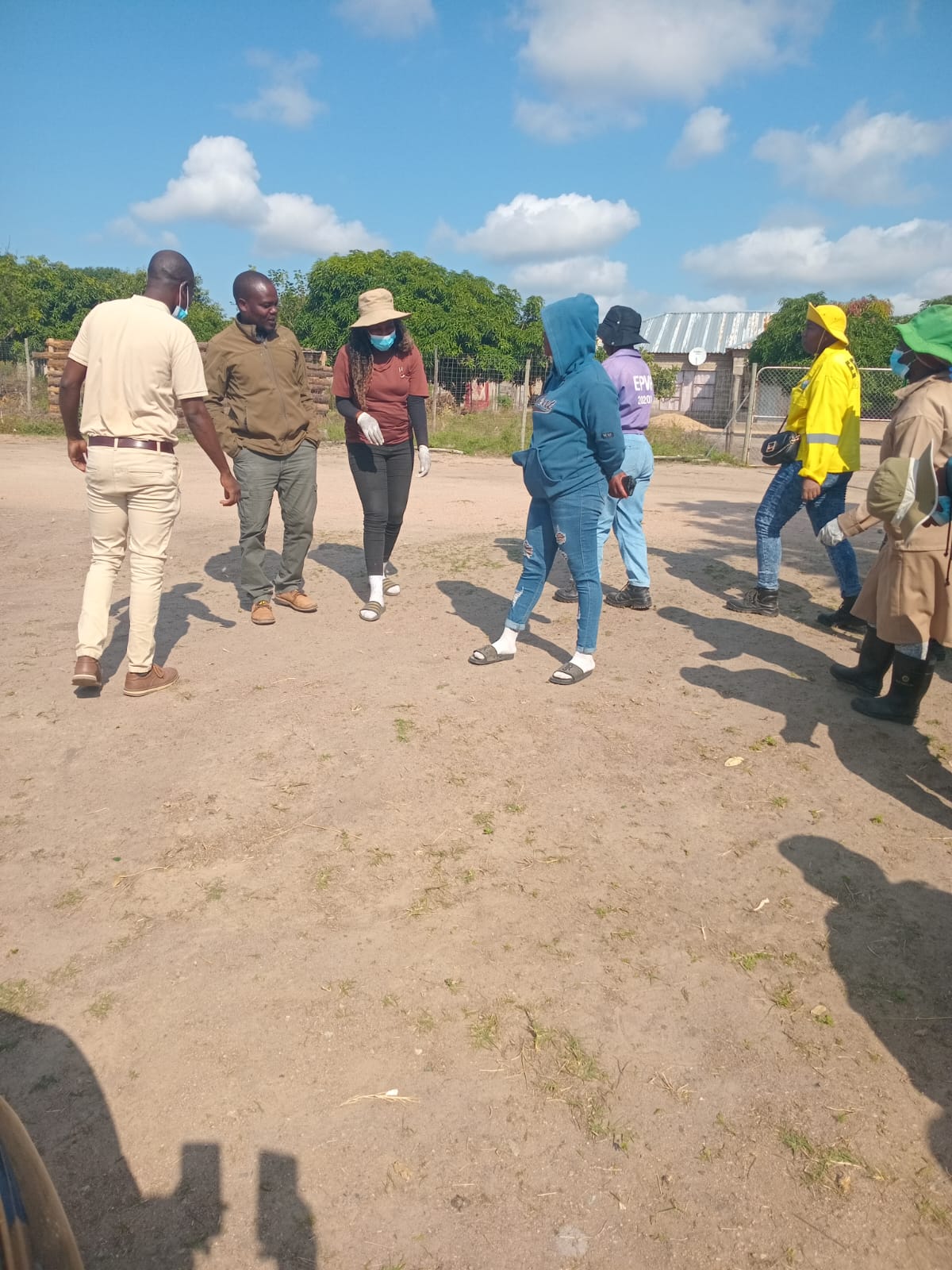
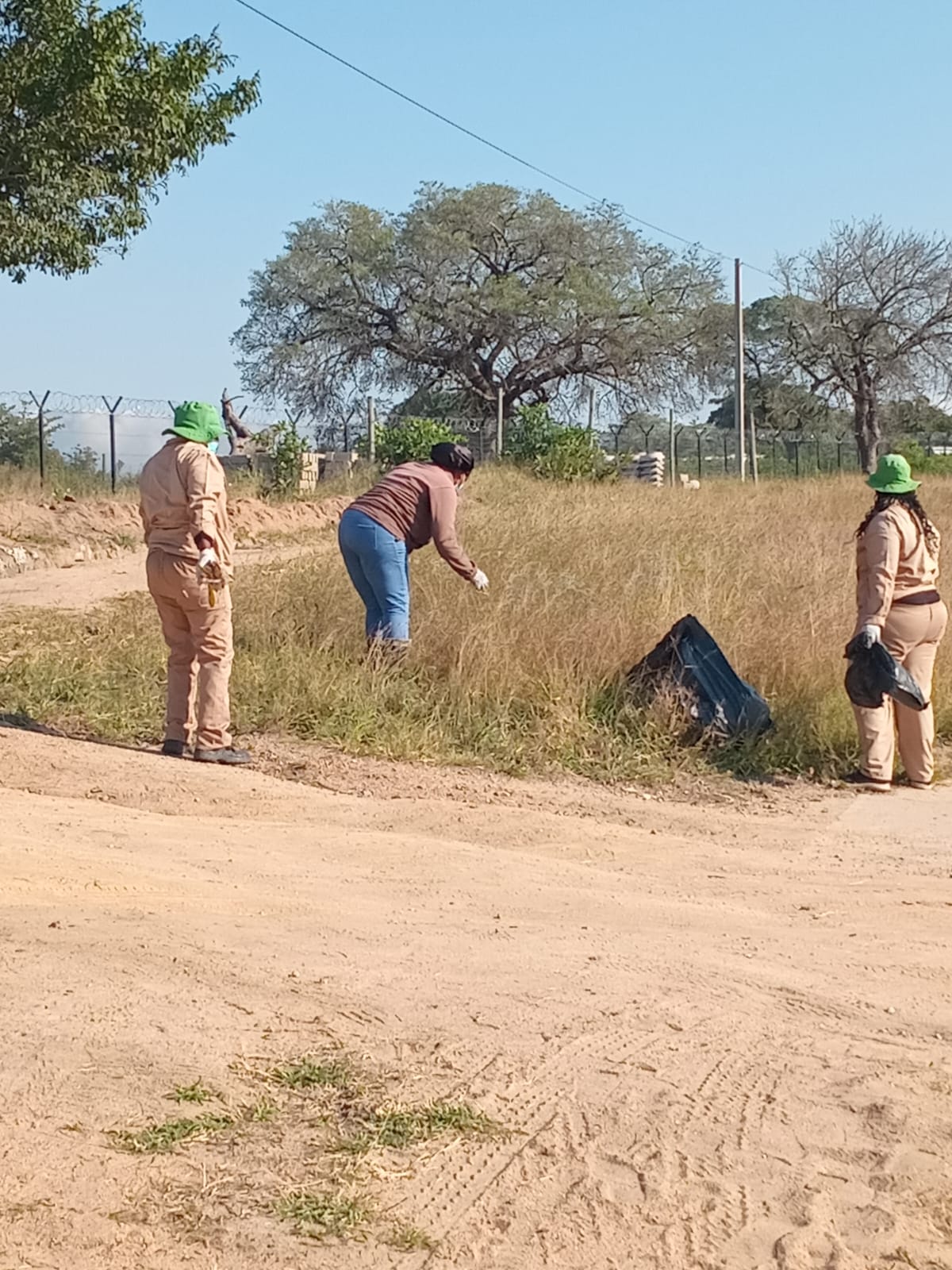
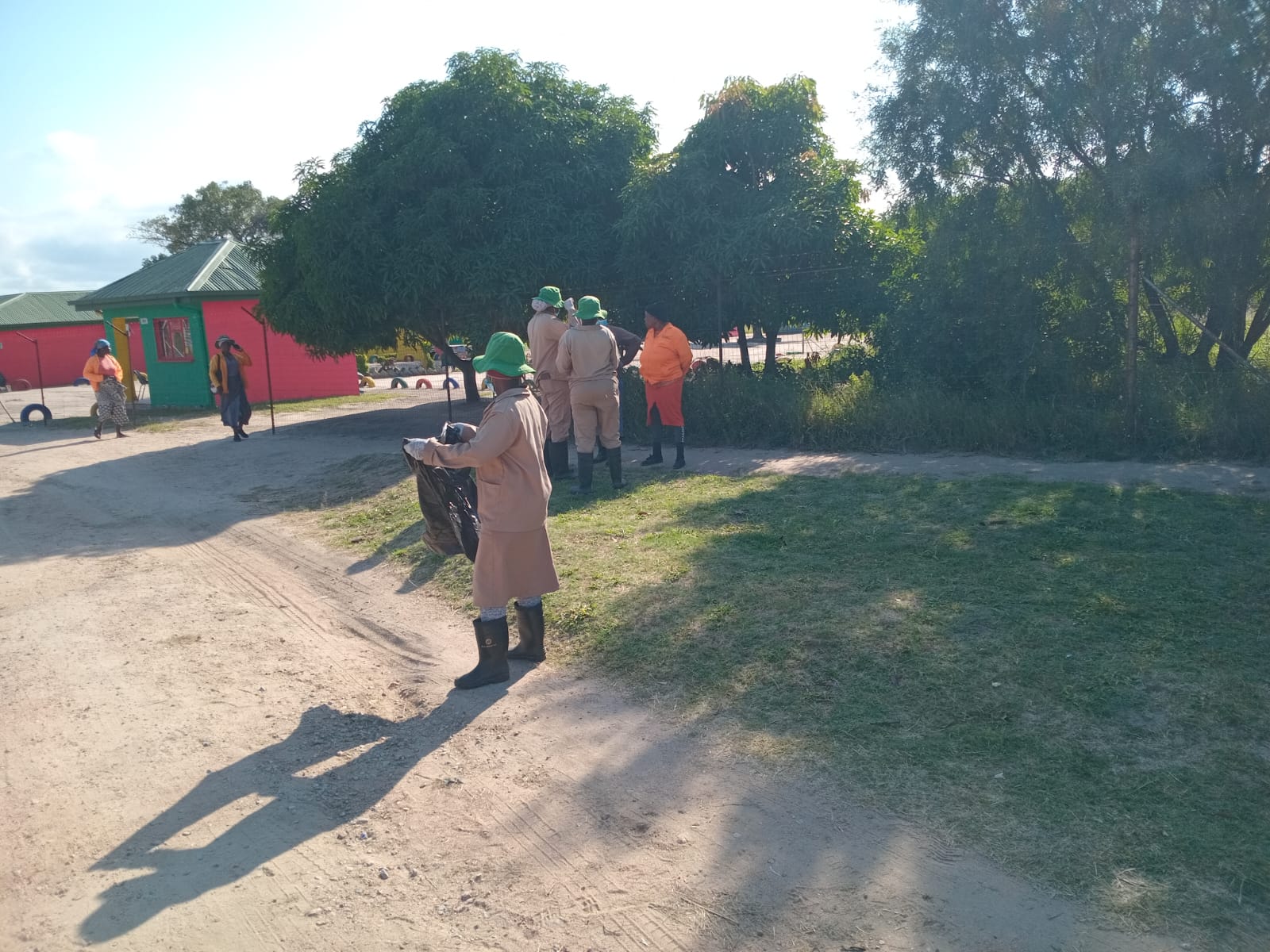
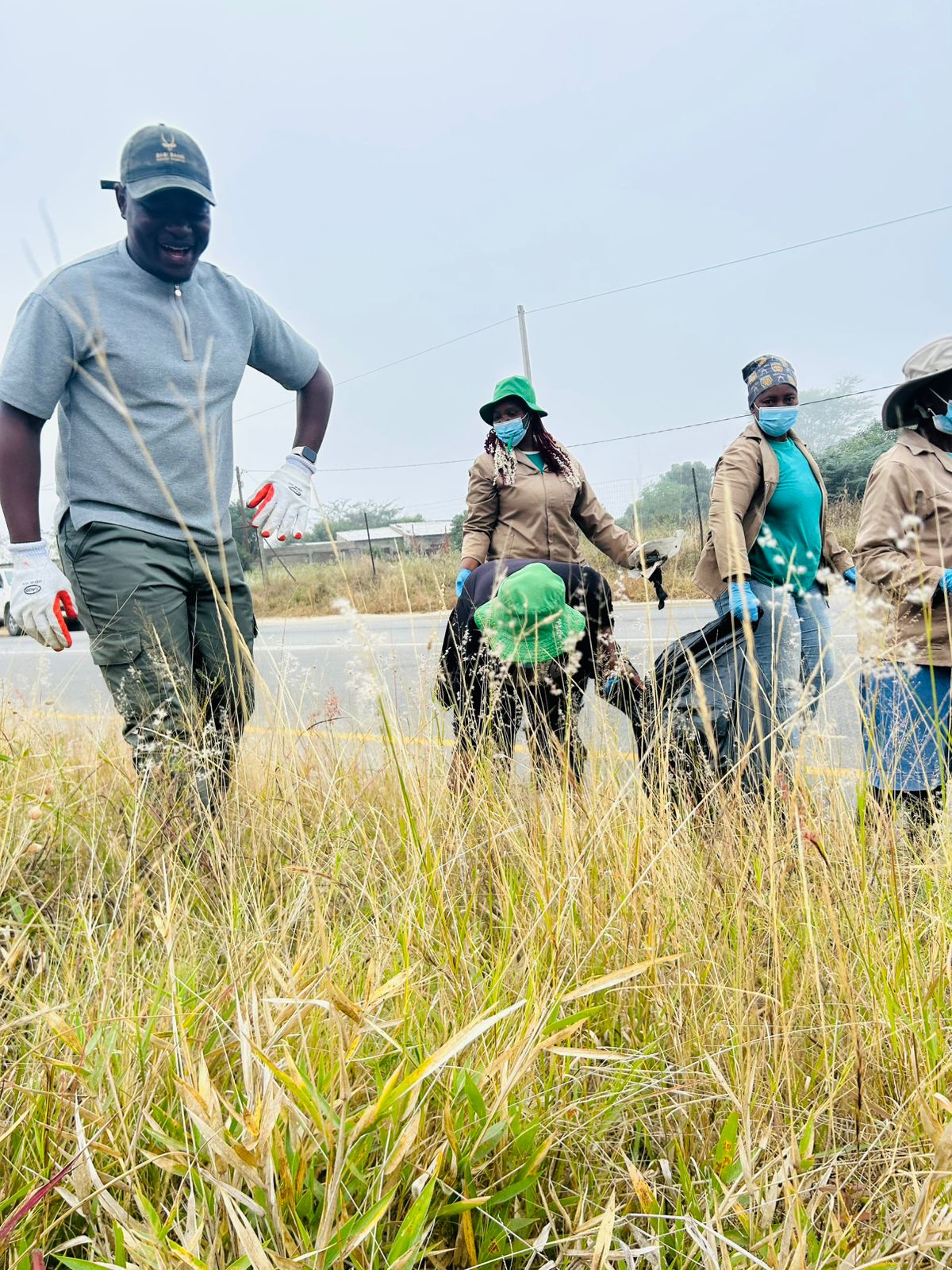
The people walking the Sand know the river in a way no map can hold. They know which banks are giving way, where the dumping hotspots are, which alien species are advancing, which indigenous trees belong where. They know when the rains will fail and what the seasonal hunger gap requires. They know which stretches of bank were once shaded and which lost their shade in their lifetime.
This is stewardship intelligence. Local, specific, intergenerational, and almost entirely uncatalogued by formal science. The Mini-SASS river-health reading is one expression of it — a way of confirming through bioindicators what the community has already named. There are others.
A catchment is only as well-kept as the knowledge held by the people who live in it.
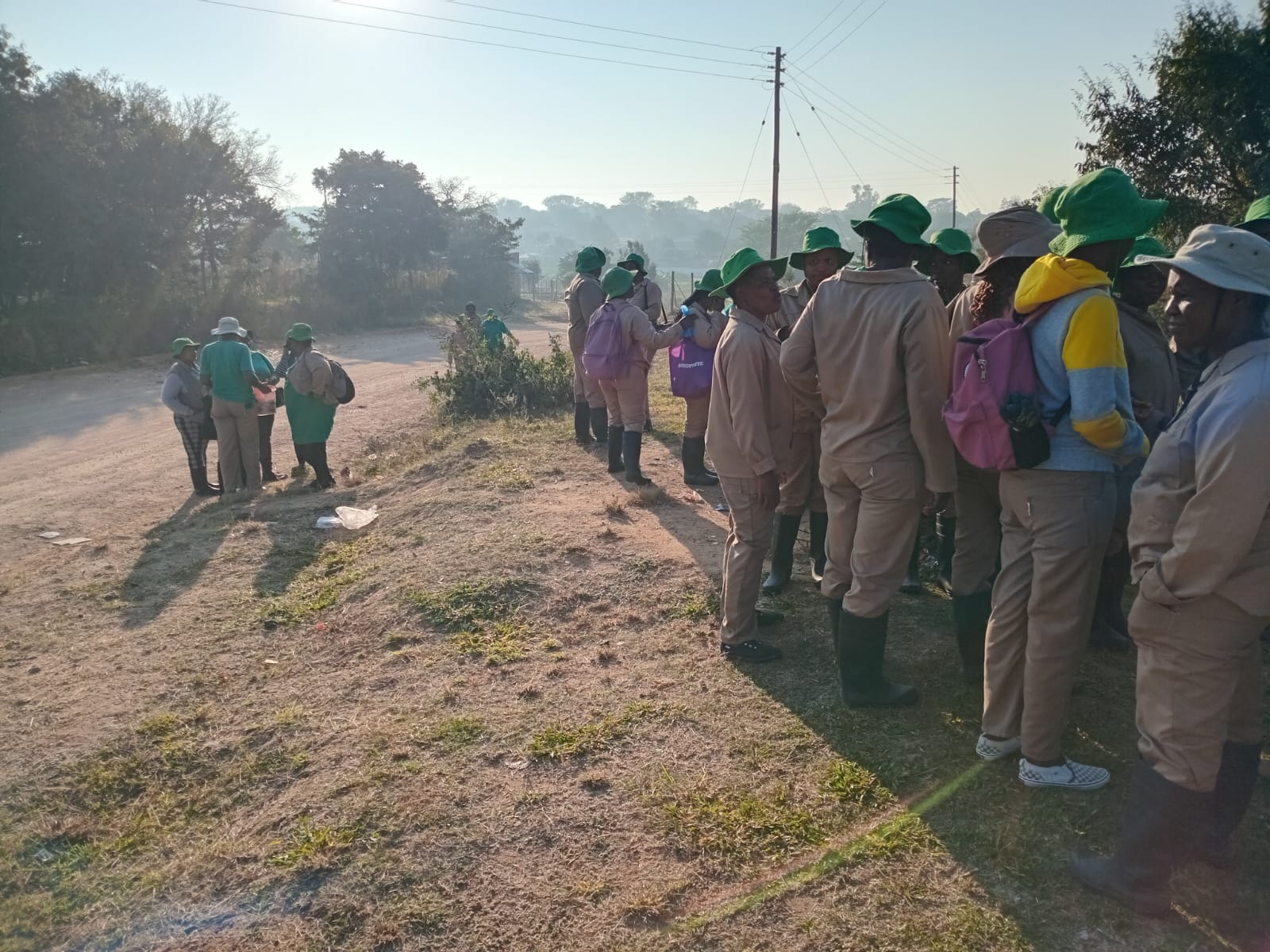
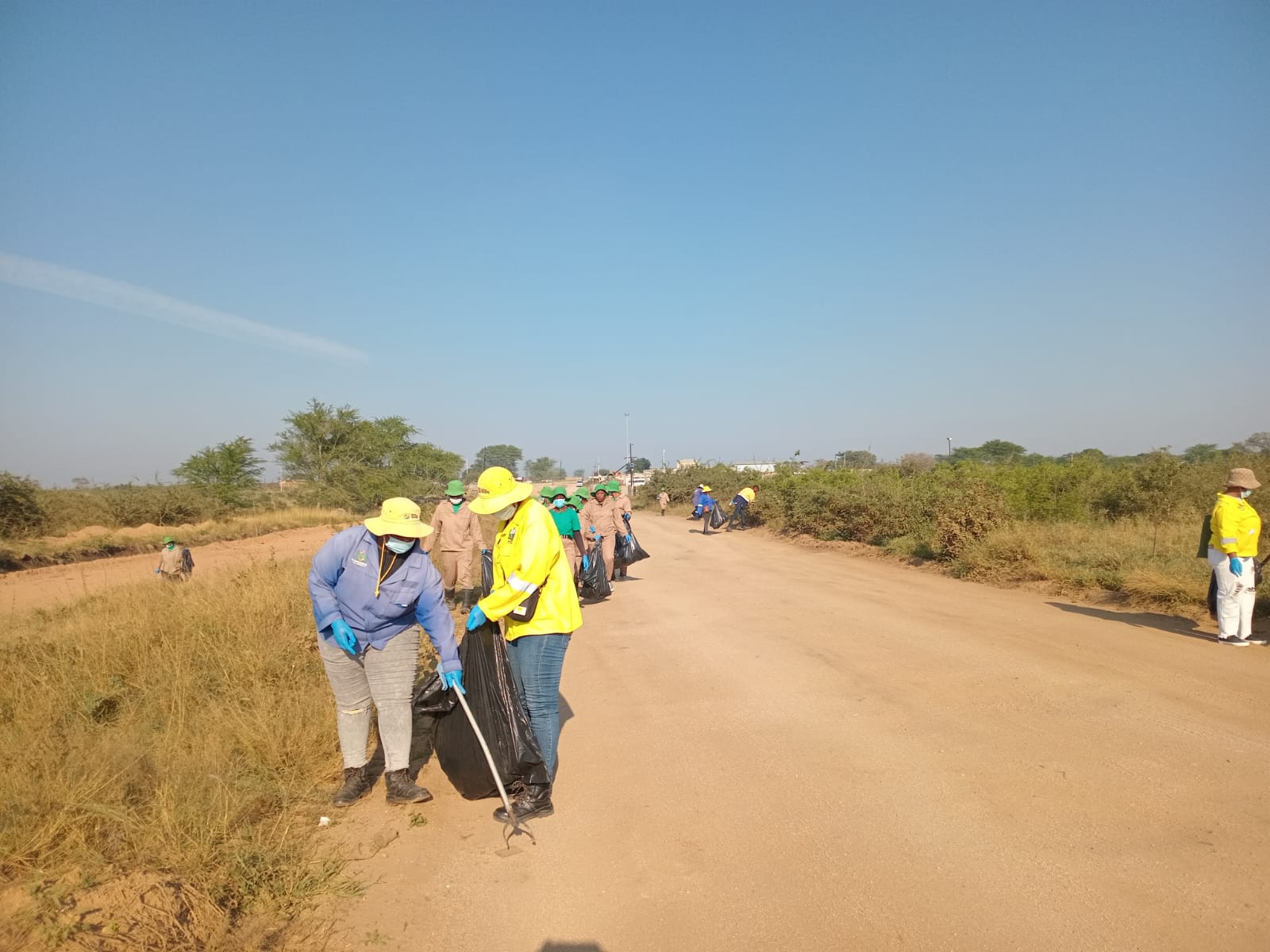
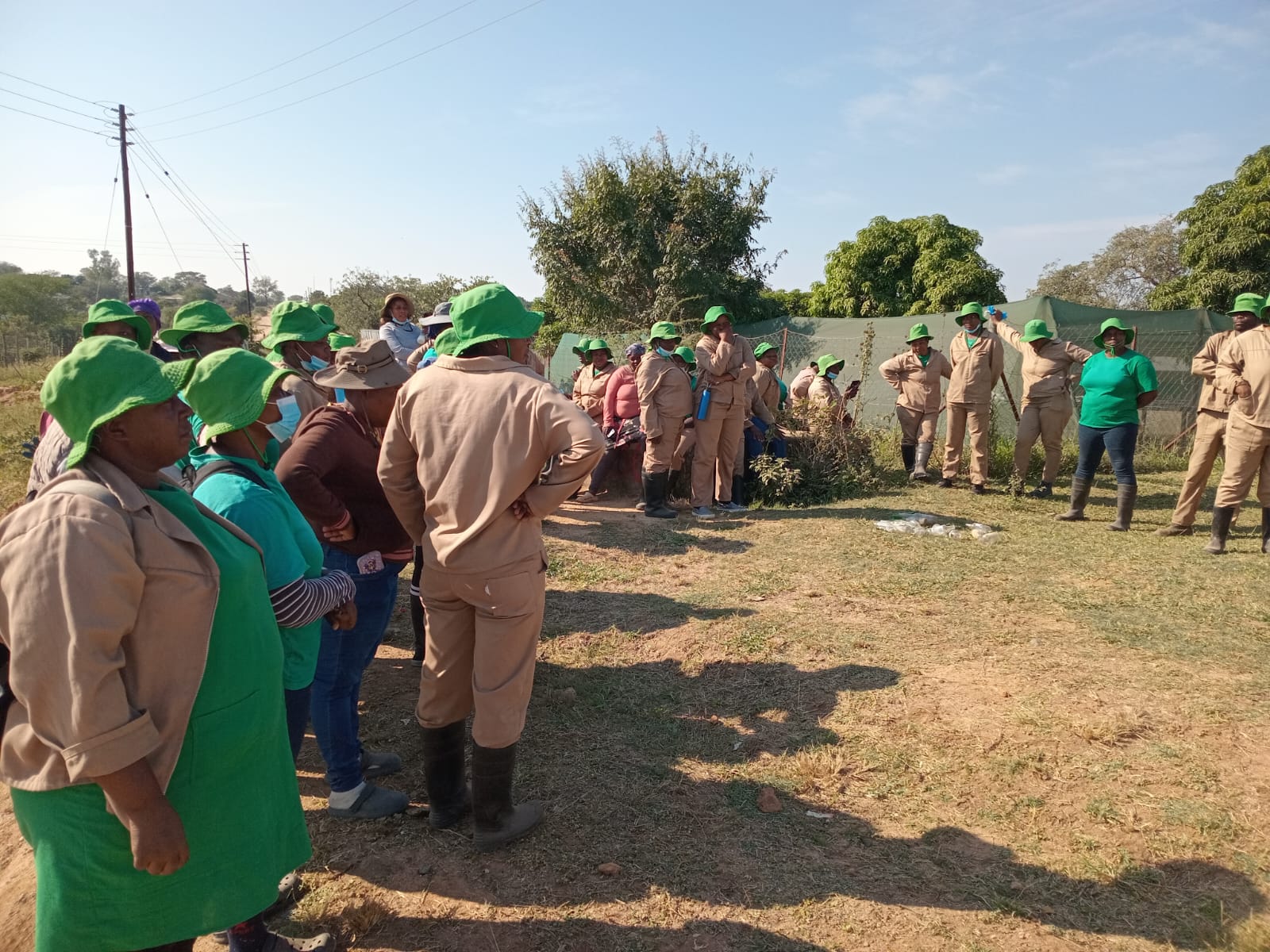
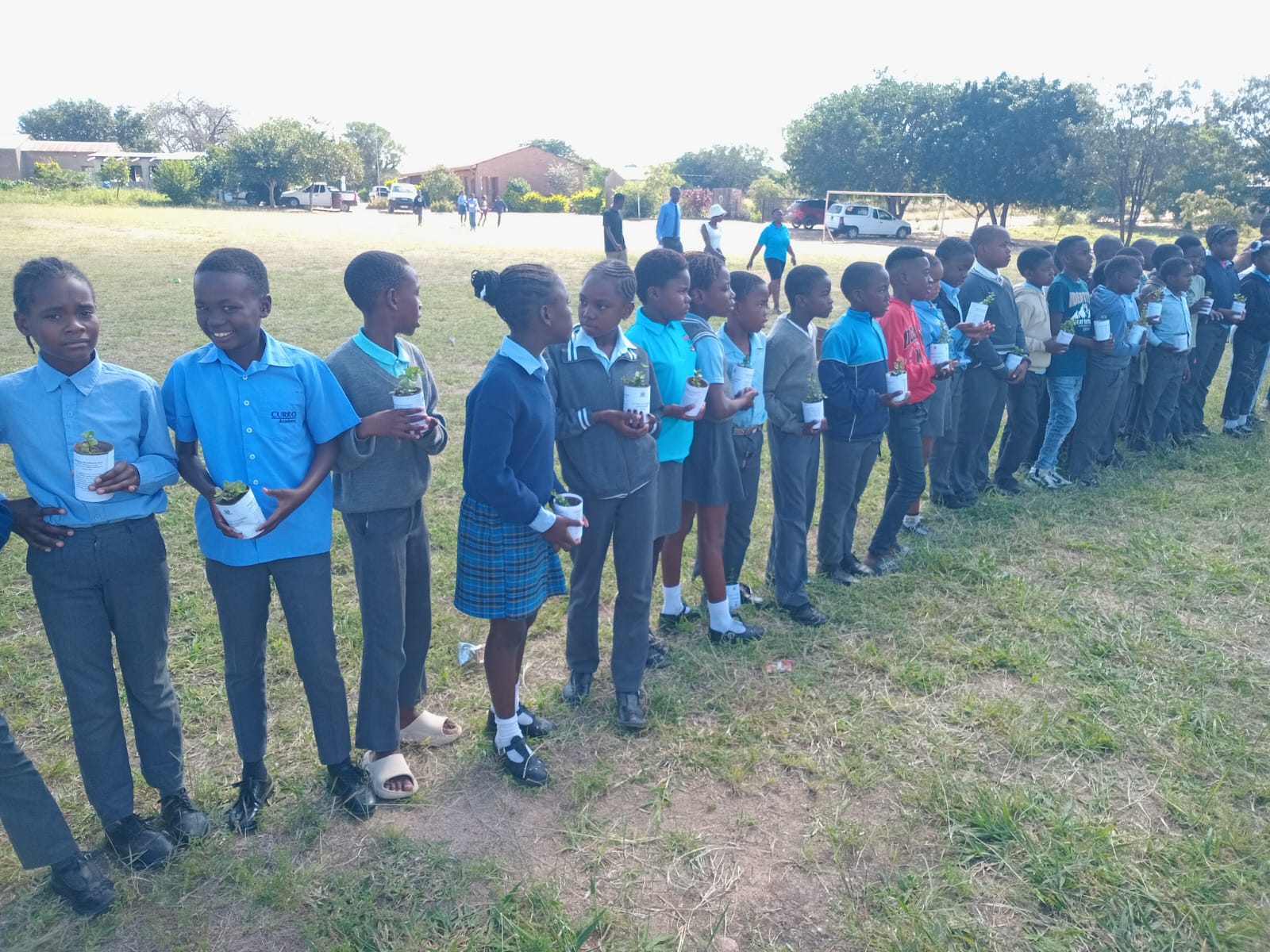
Bushbuckridge Local Municipality is running stewardship education across its school network — climate awareness, tree planting, the link between waste, water, and the health of the village. Children plant indigenous saplings on school grounds and learn why the trees on the riverbank matter for the household tap.
Save the Sand stands alongside this work. The children planting trees at Mhlahle Primary in Lillydale today are walking the same banks the river-keepers walk now. In ten years some of them will be the river-keepers.
The seeding is happening in both directions — saplings into the soil, custodianship into the next generation.
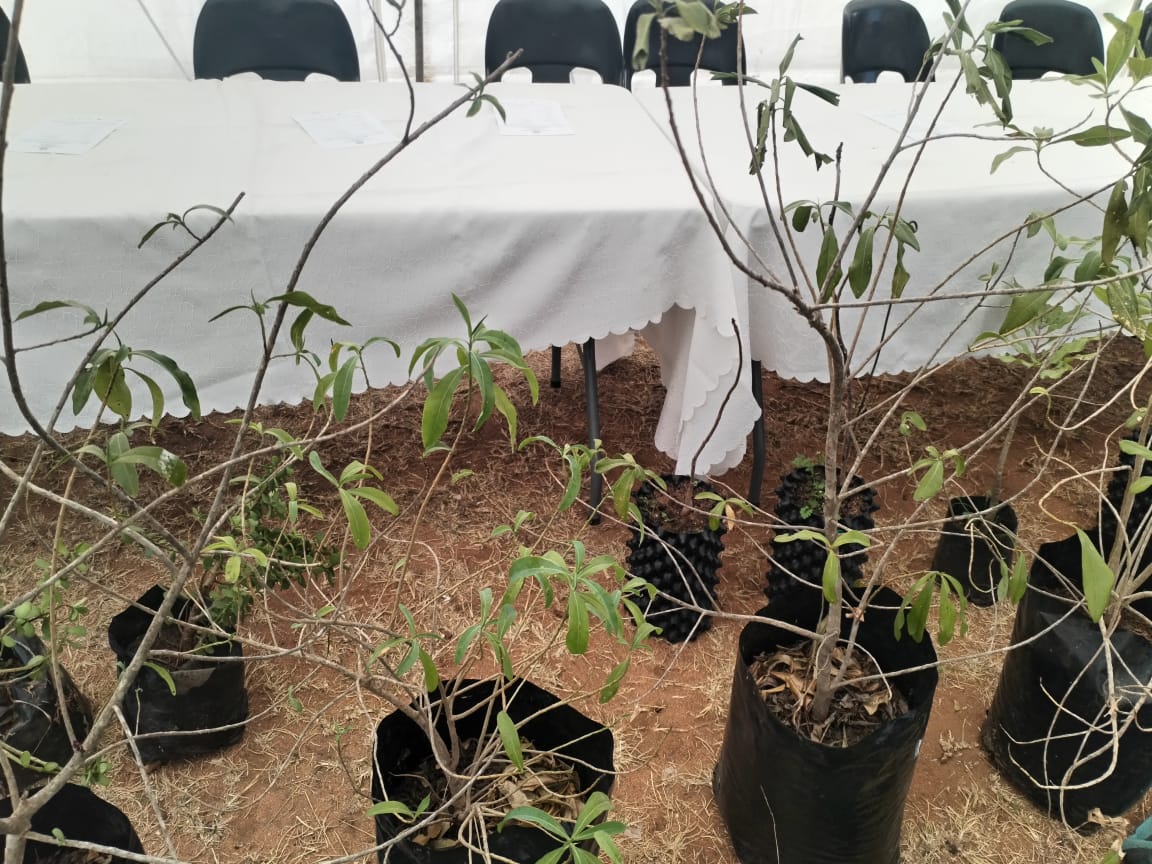
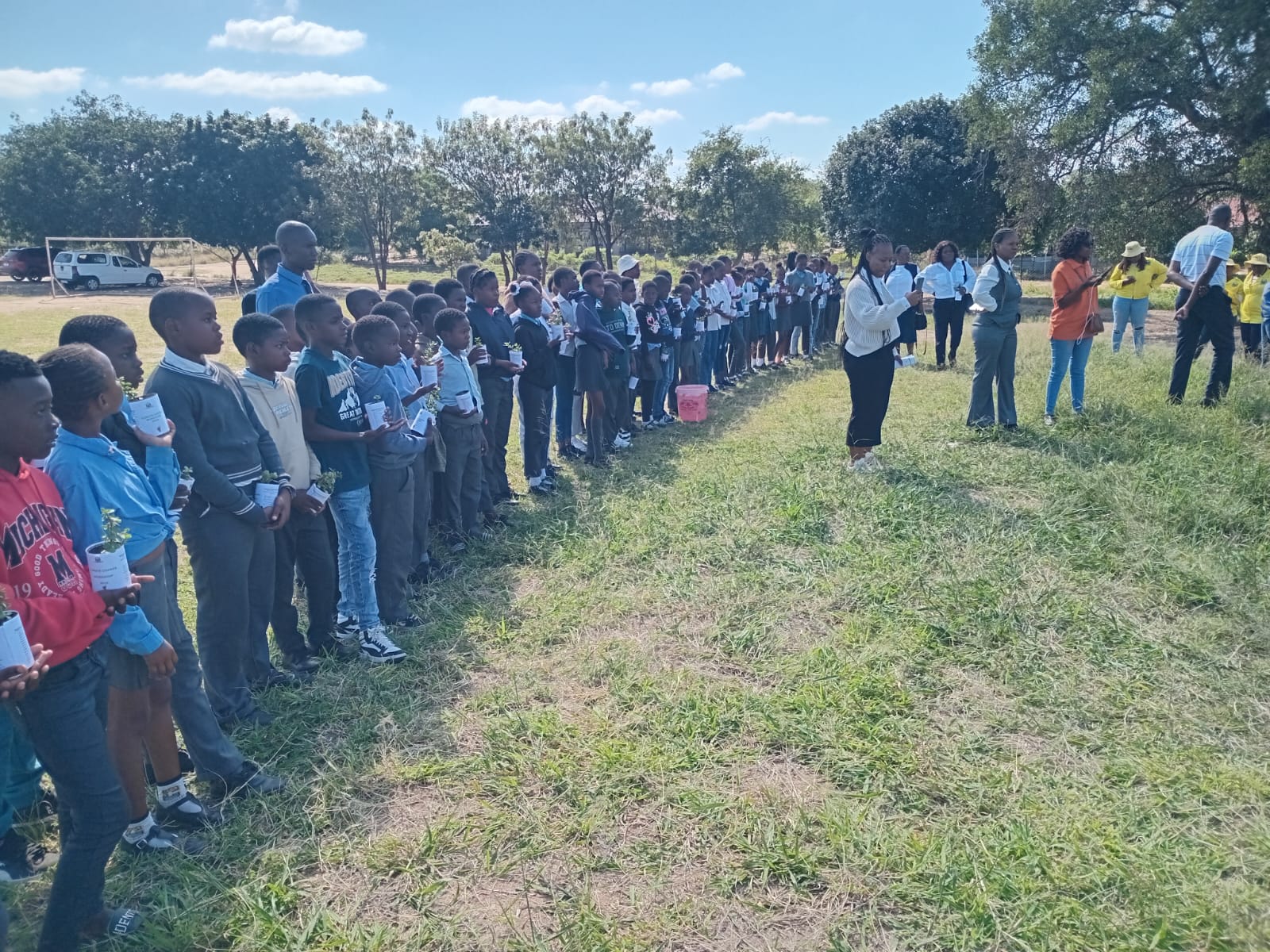
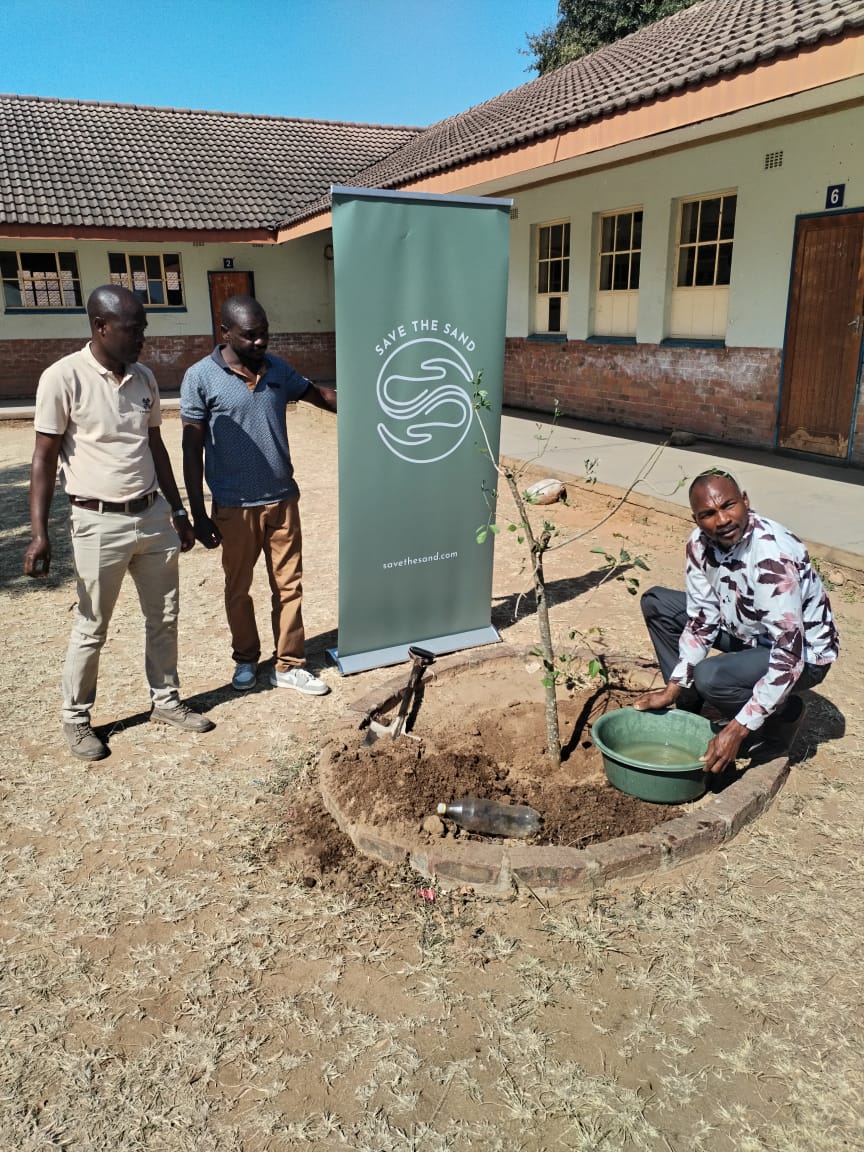
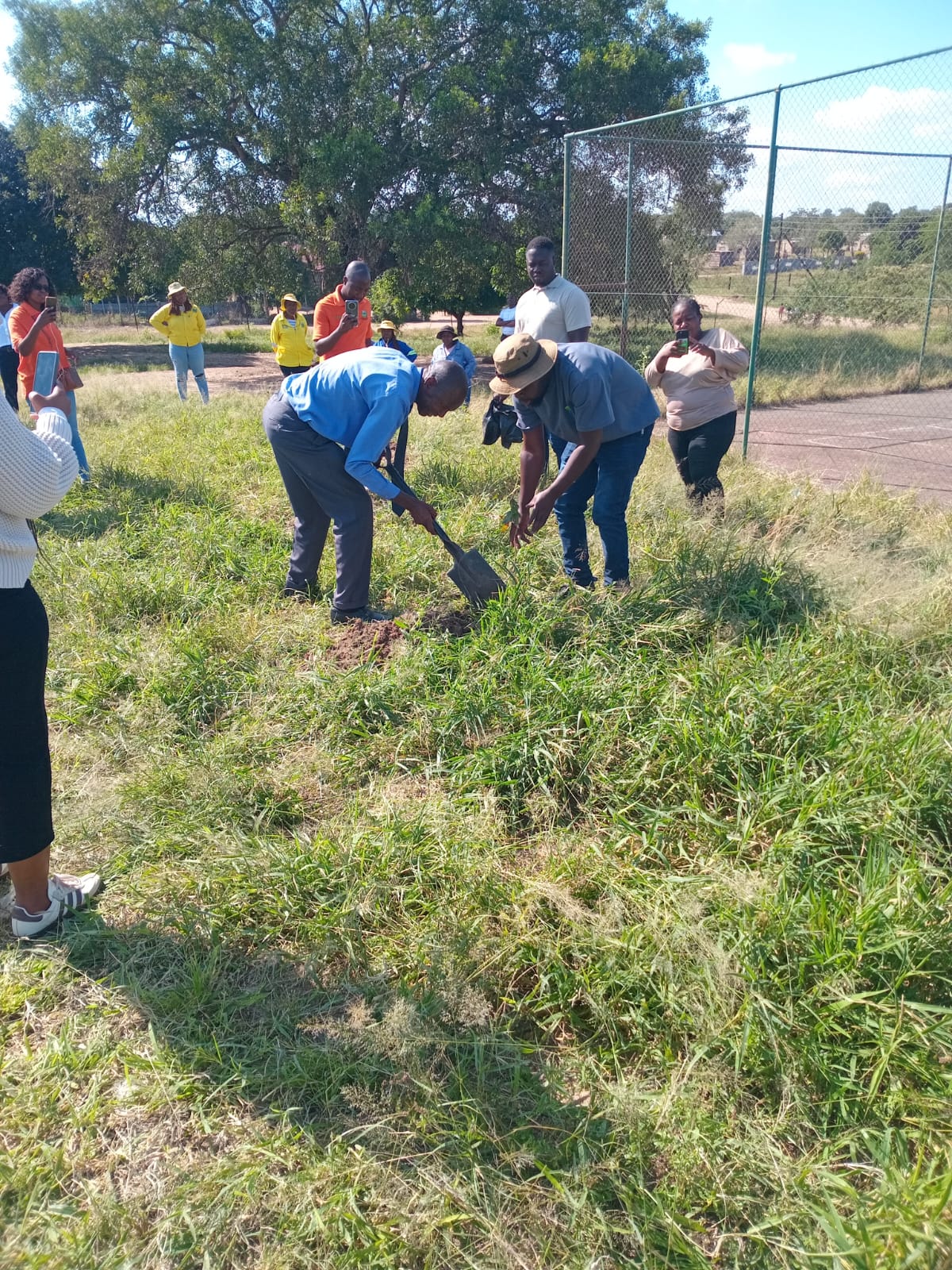
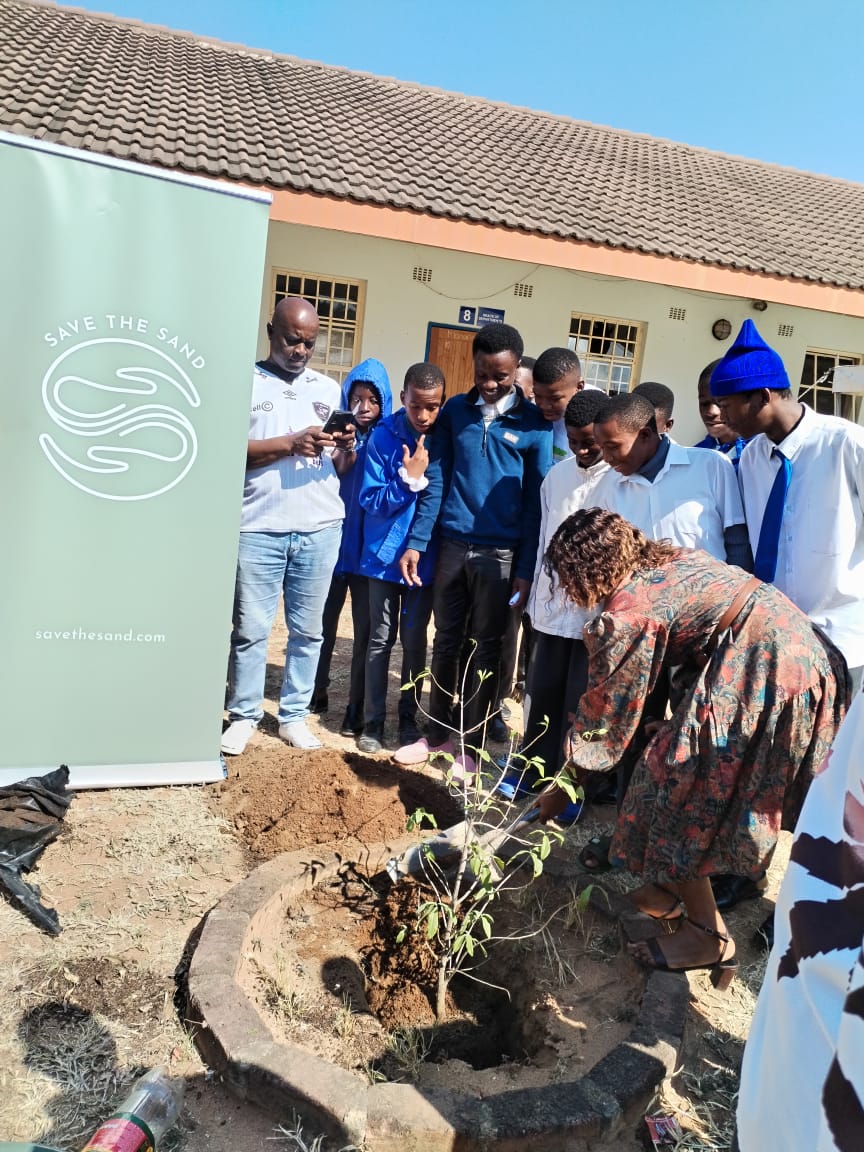
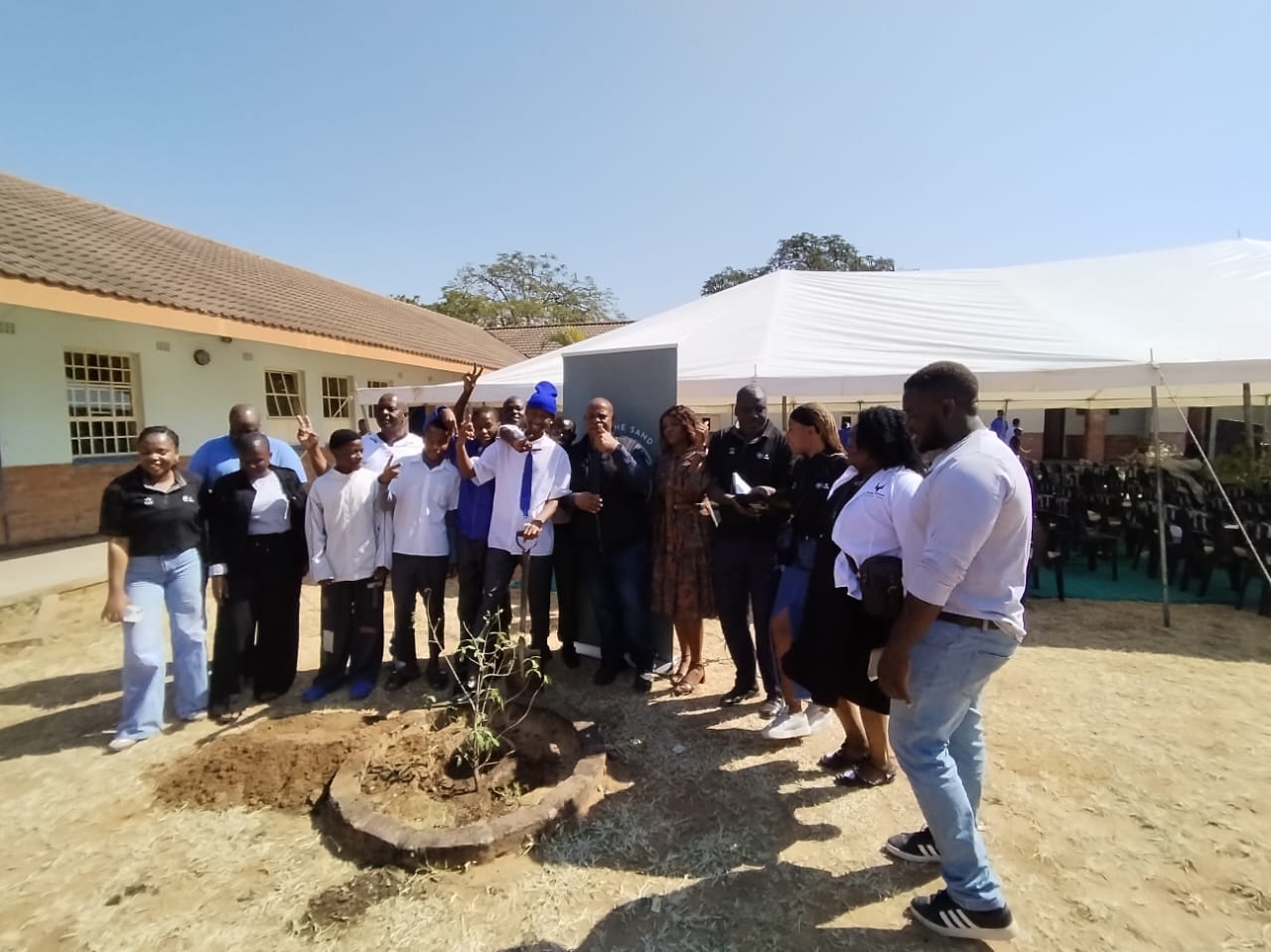
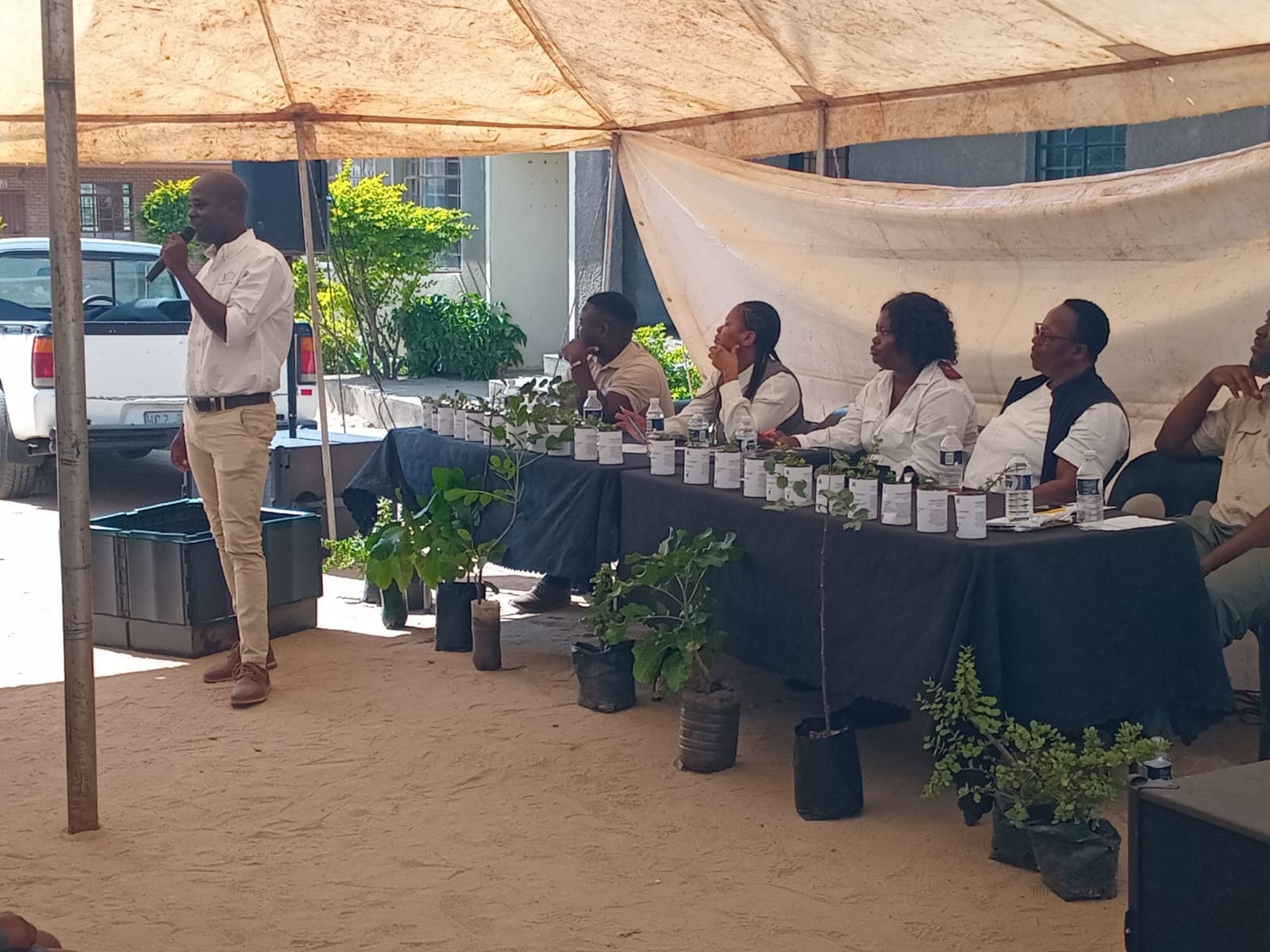
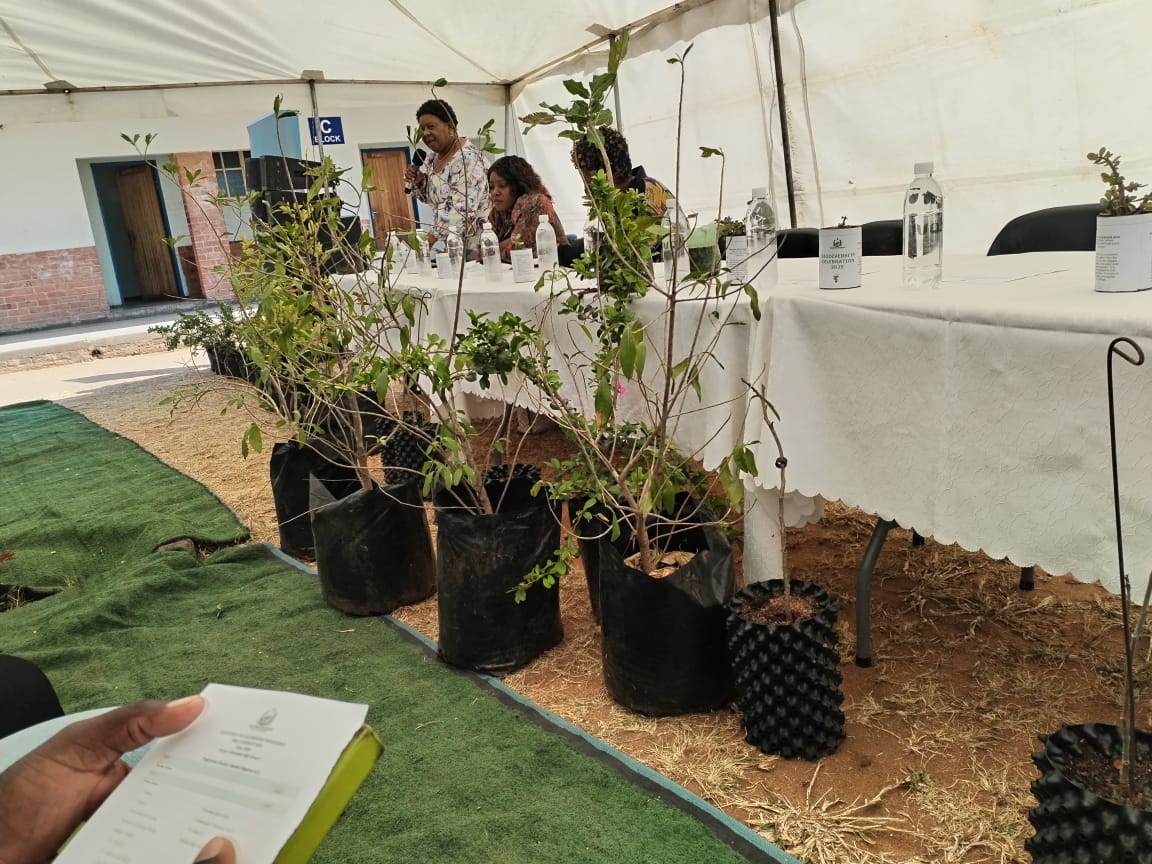
The work belongs to the communities. Save the Sand's role at this stage is narrative and alignment — naming what is happening, connecting it to the broader story of the catchment, and showing how grassroots stewardship, schools education, and tree custodianship are expressions of the same underlying culture.
The Tree Custodian programme, once funded at scale, will deepen this work. River days will be convened more regularly. Indigenous saplings from the village nurseries will plant the cleared banks. Households that keep trees and households that keep the river will be the same households, doing both as expressions of the same custodianship.
For now, the river-keepers do not wait for the funding. They meet, they walk in, they clear, they plant, they go home. The river runs a little cleaner because of it.
A generation of river-keepers is forming. The catchment is in their hands.
We use cookies for anonymized analytics so we can improve this site. See our privacy policy.