
Belfast
Tiyimeleni Nursery
Hoxane Traditional Authority
The trees that will be planted in the Sabie and Sand River catchments are being grown by people who live in them. A network of four rural nurseries supplying Save the Sand's planting programme.
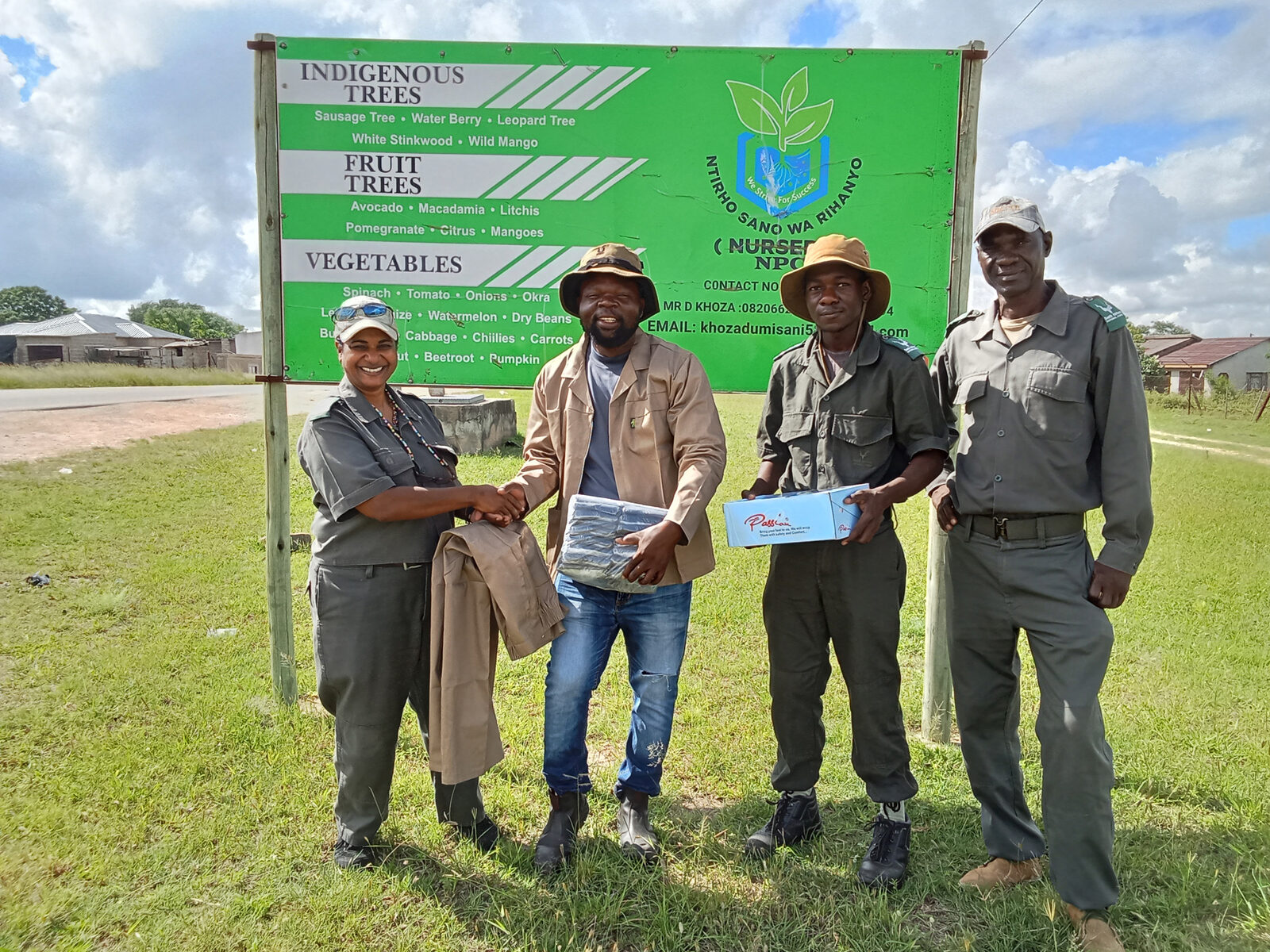
It is also the name of a nursery in Lillydale, just inside the boundary of the Jongilanga Traditional Authority. The work there starts early. Shade cloth, seedbeds, seedlings counted out before the heat sets in.
The trees being grown there will be planted within a few kilometres of where they were raised, by households who live in the same villages as the nursery itself.
There are four of these nurseries across the Sabie and Sand river catchments.
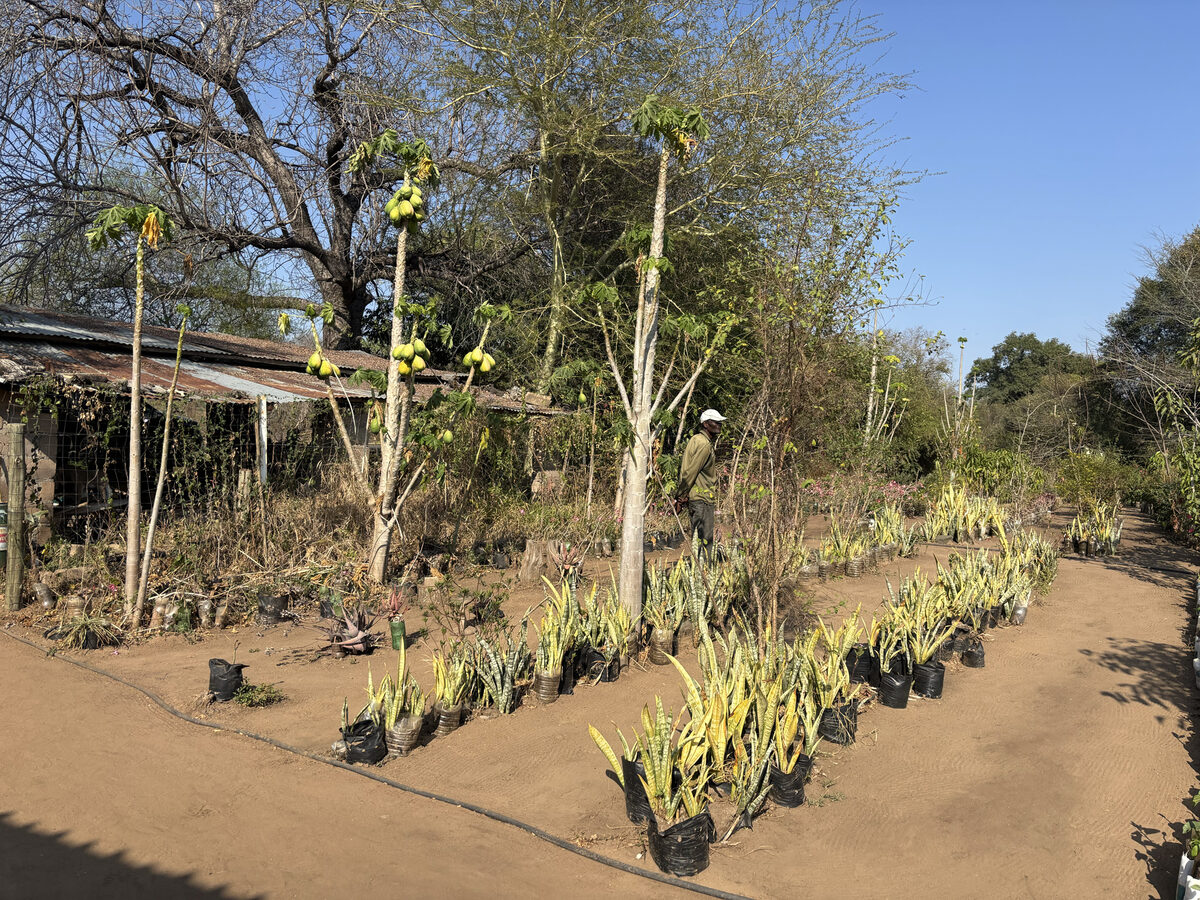
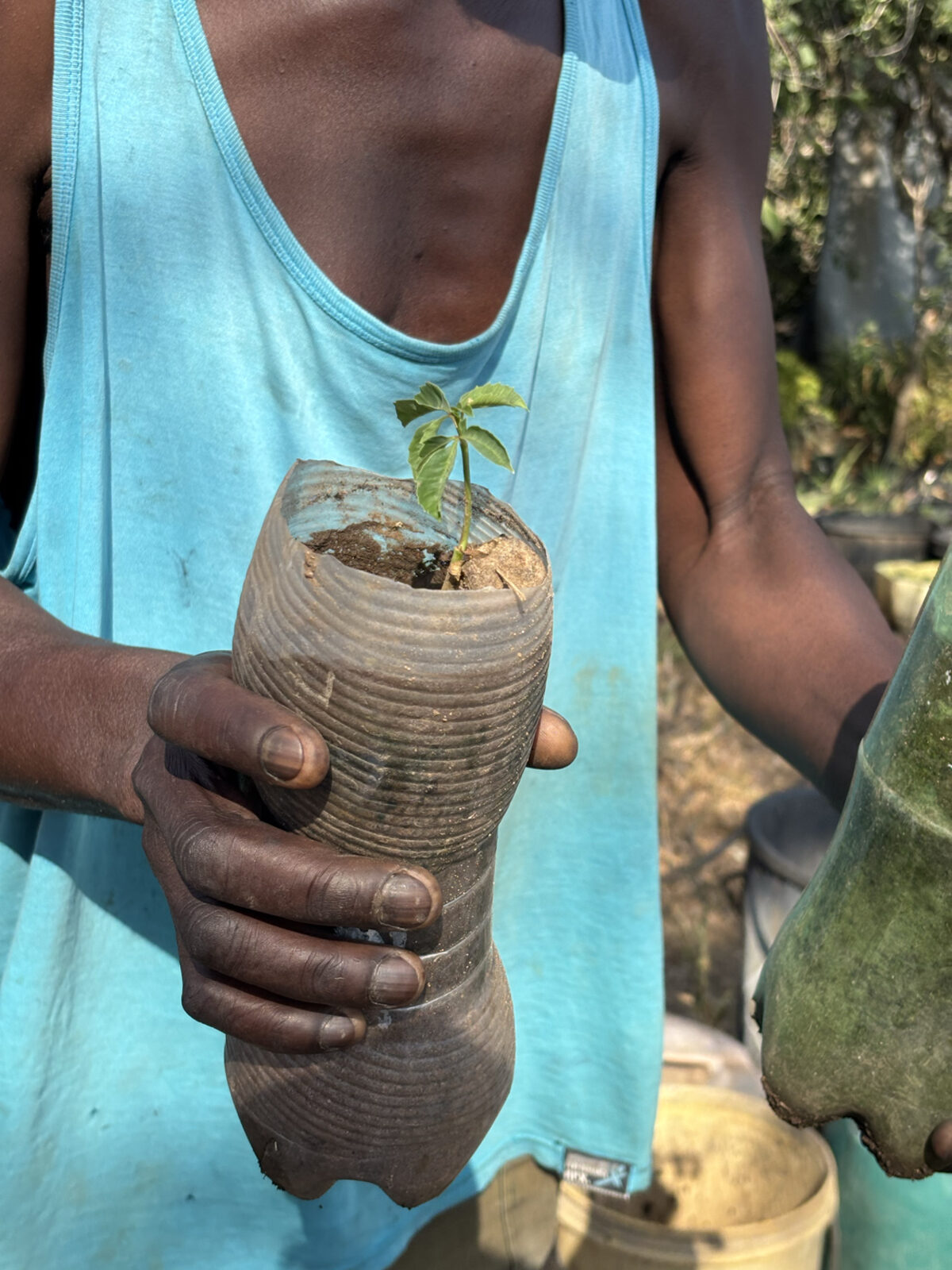
Four rural nurseries make up the network that supplies Save the Sand's planting programme. Each is run by people from the village it sits in. Each is registered with the project as an outgrower.
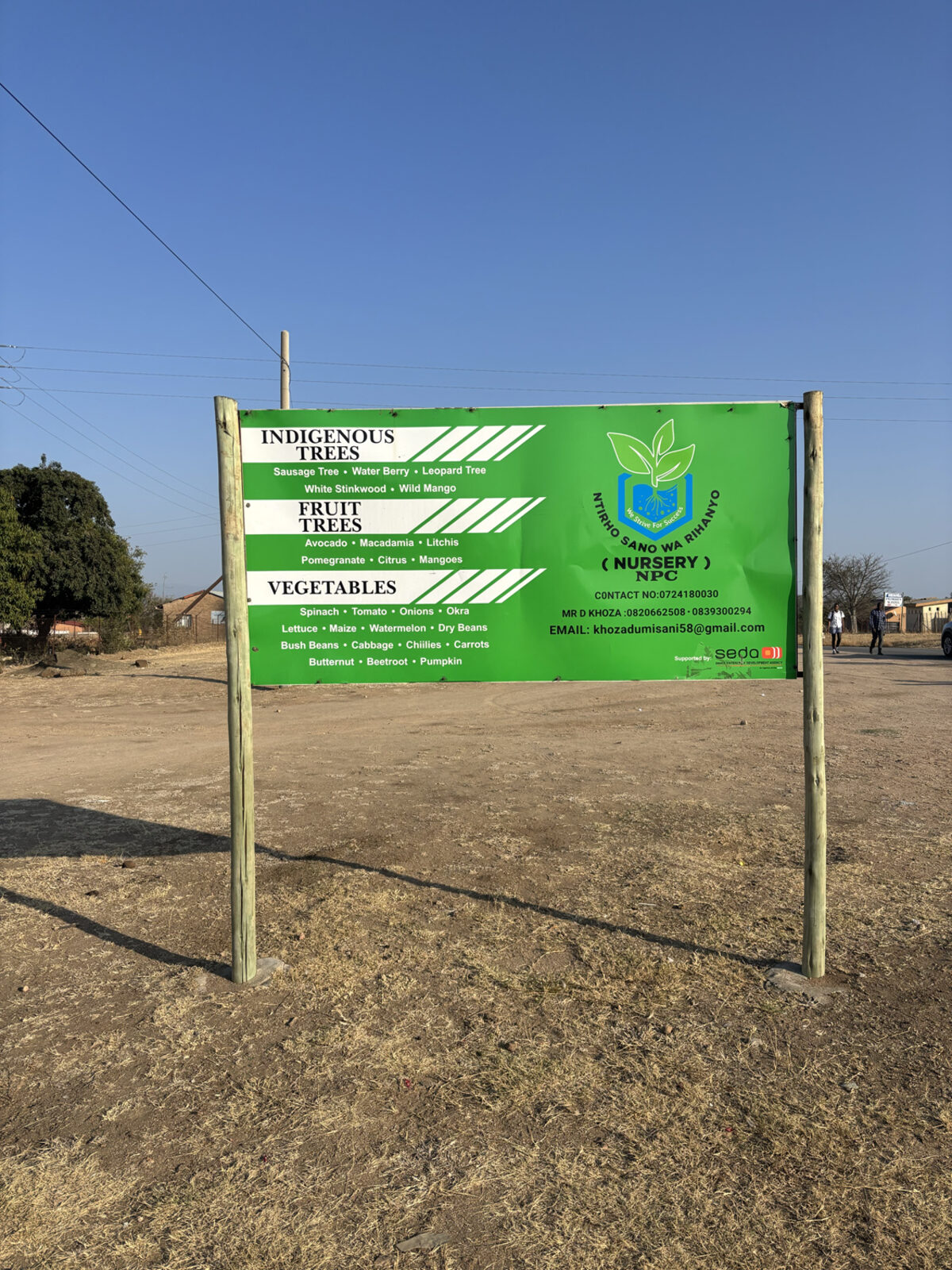
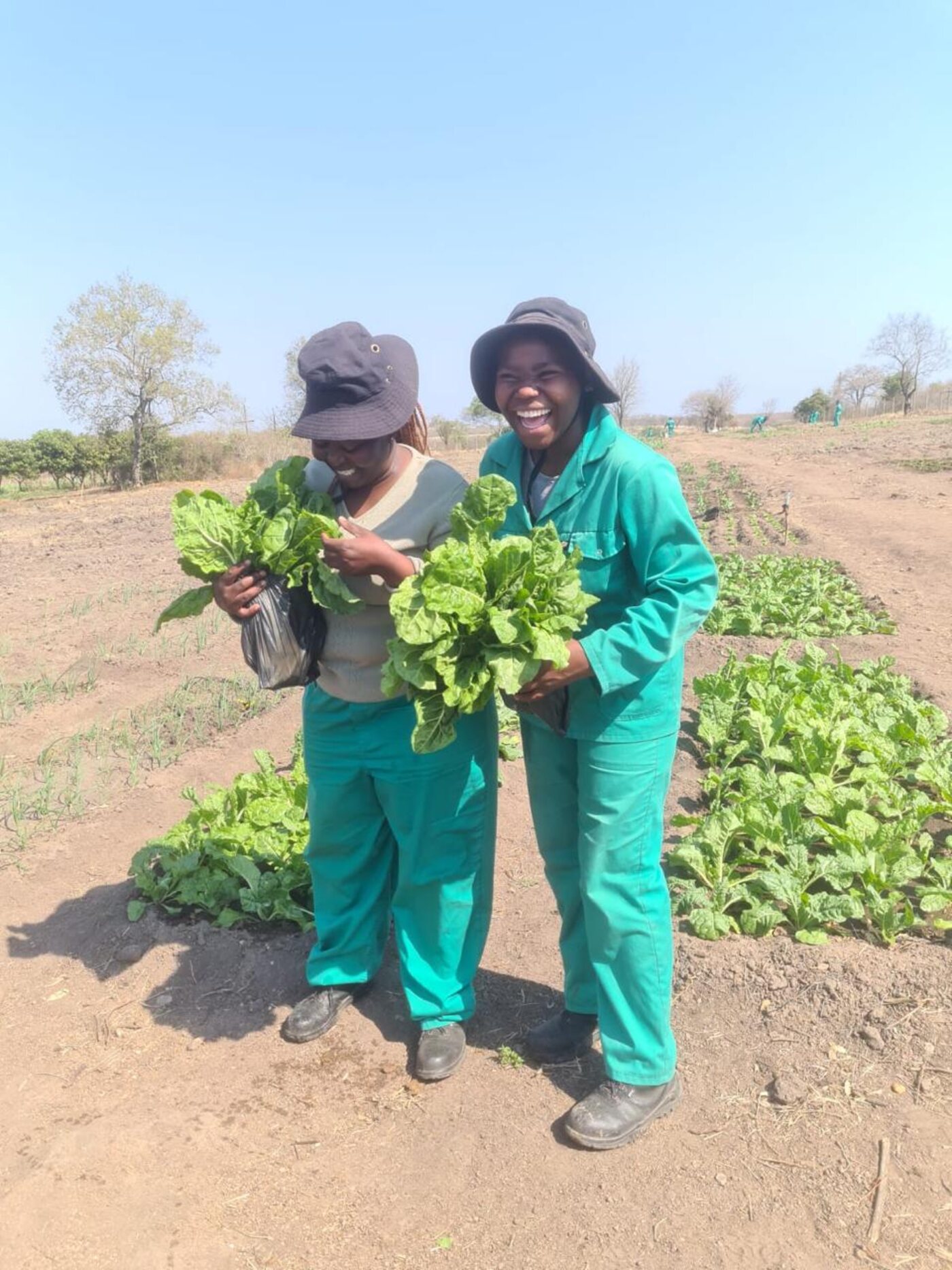
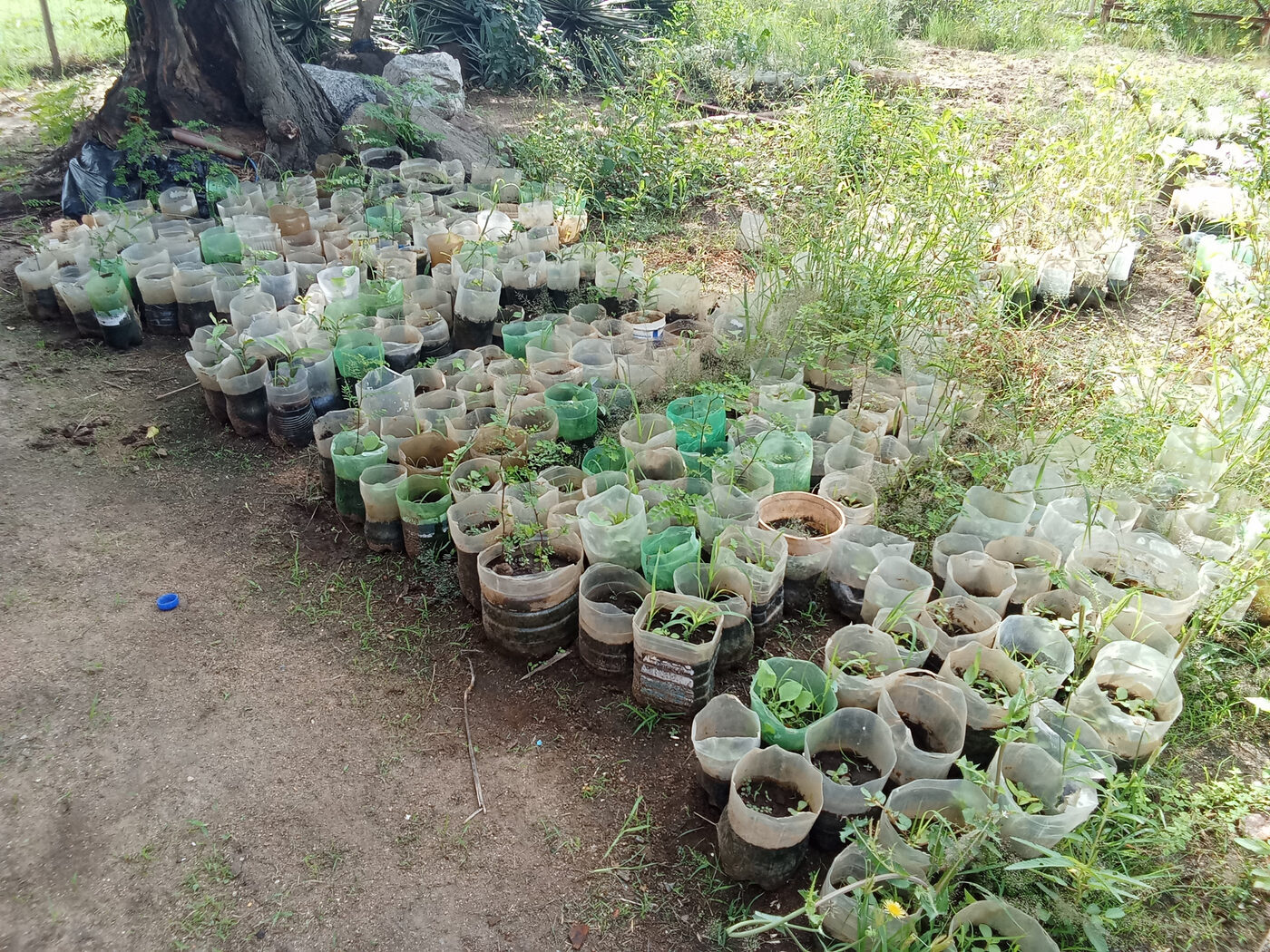
Together they produce roughly ten thousand trees a year. The current procurement target across the catchments is far higher than that, and the network is being built to meet it.
The nurseries grow indigenous trees that belong to this landscape. The marula is the anchor — the same tree at the centre of the project's custodian economy. Around it sit the supporting species the catchment has always carried.
Each nursery operates as an independent micro-business. Trees are grown to specification for the planting programme and sold to Sand Catchment, the project's commercial arm, at agreed prices. This is not a donation chain. The nurseries are suppliers. The project is a buyer.

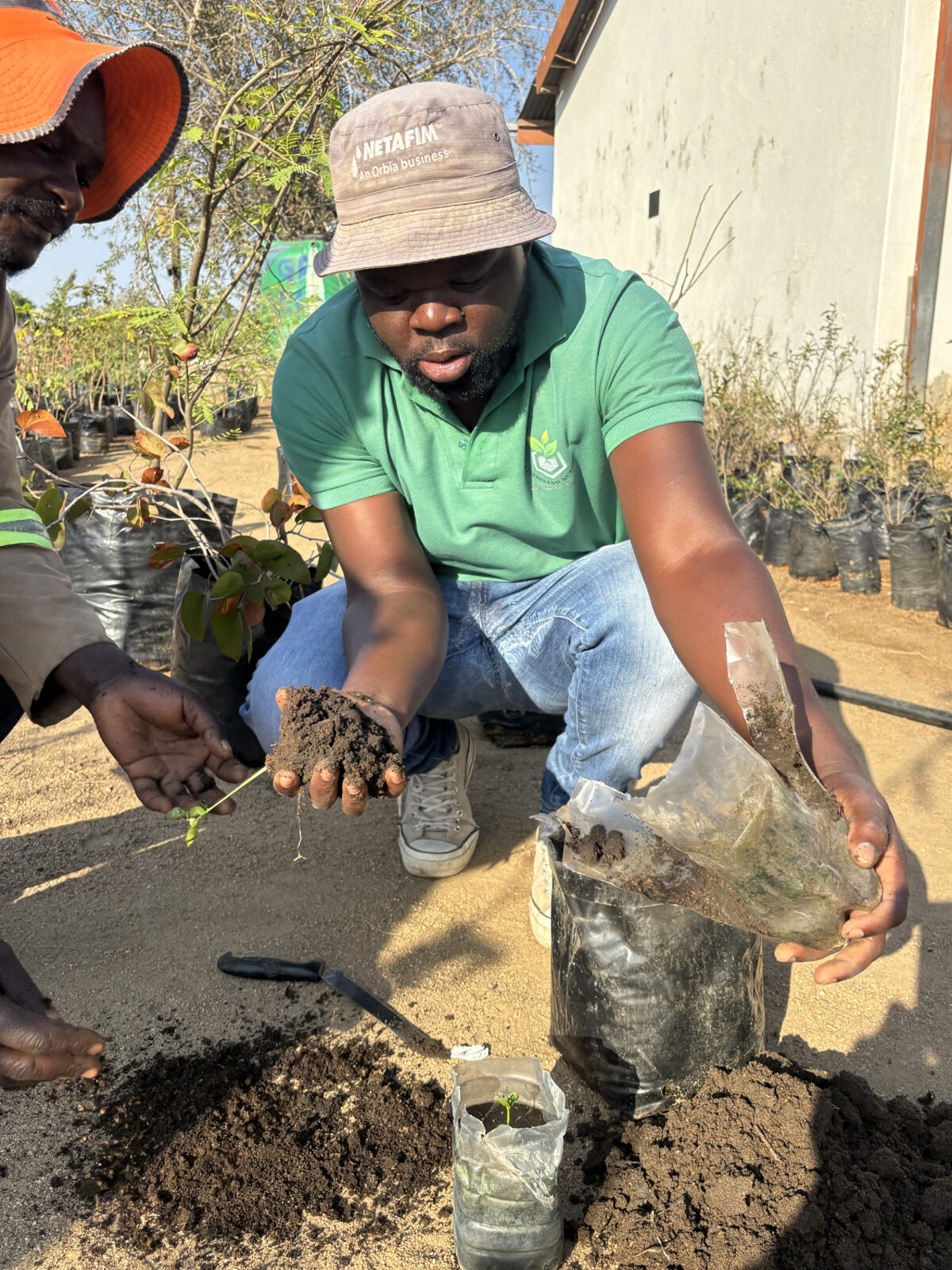
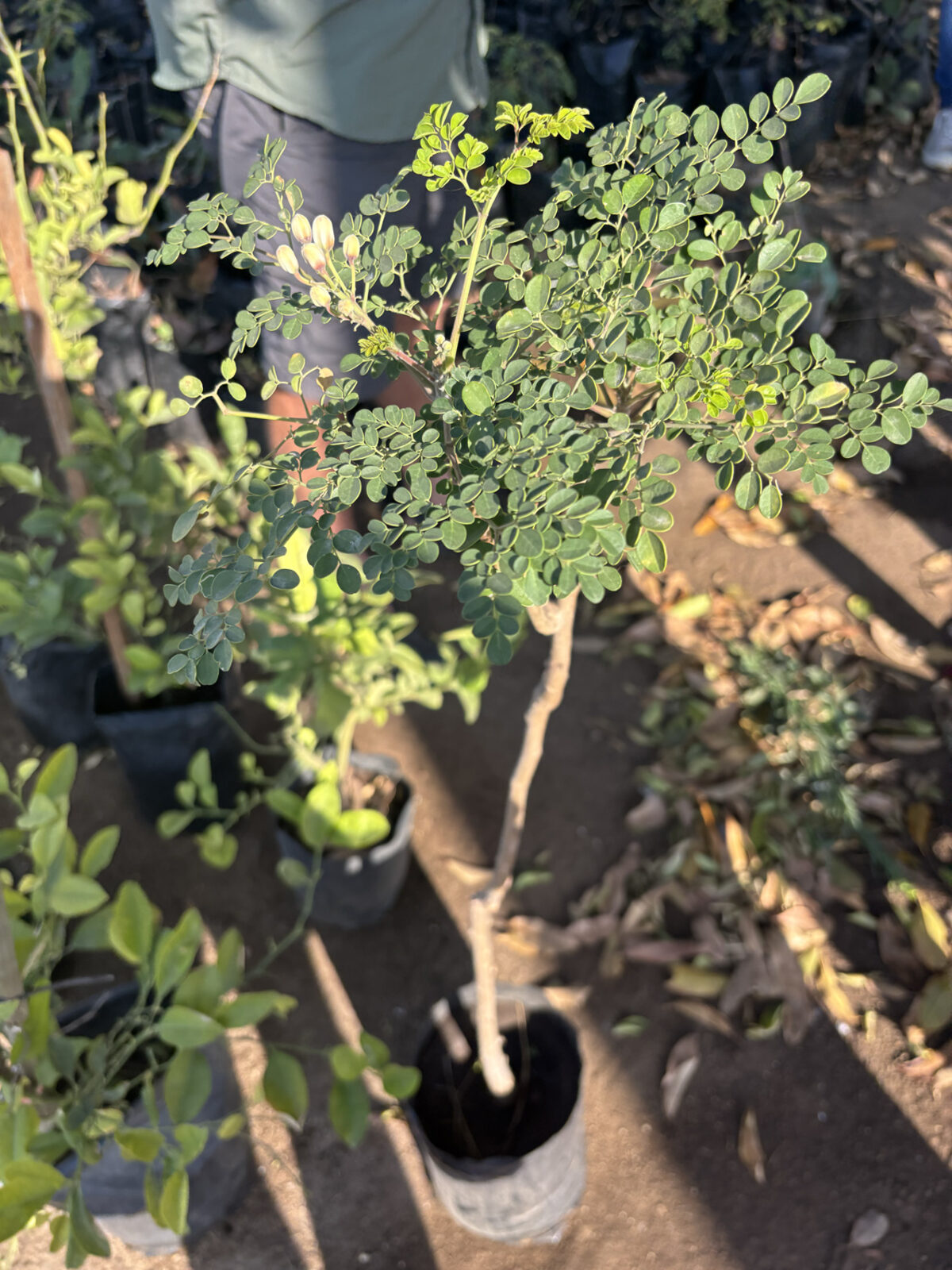
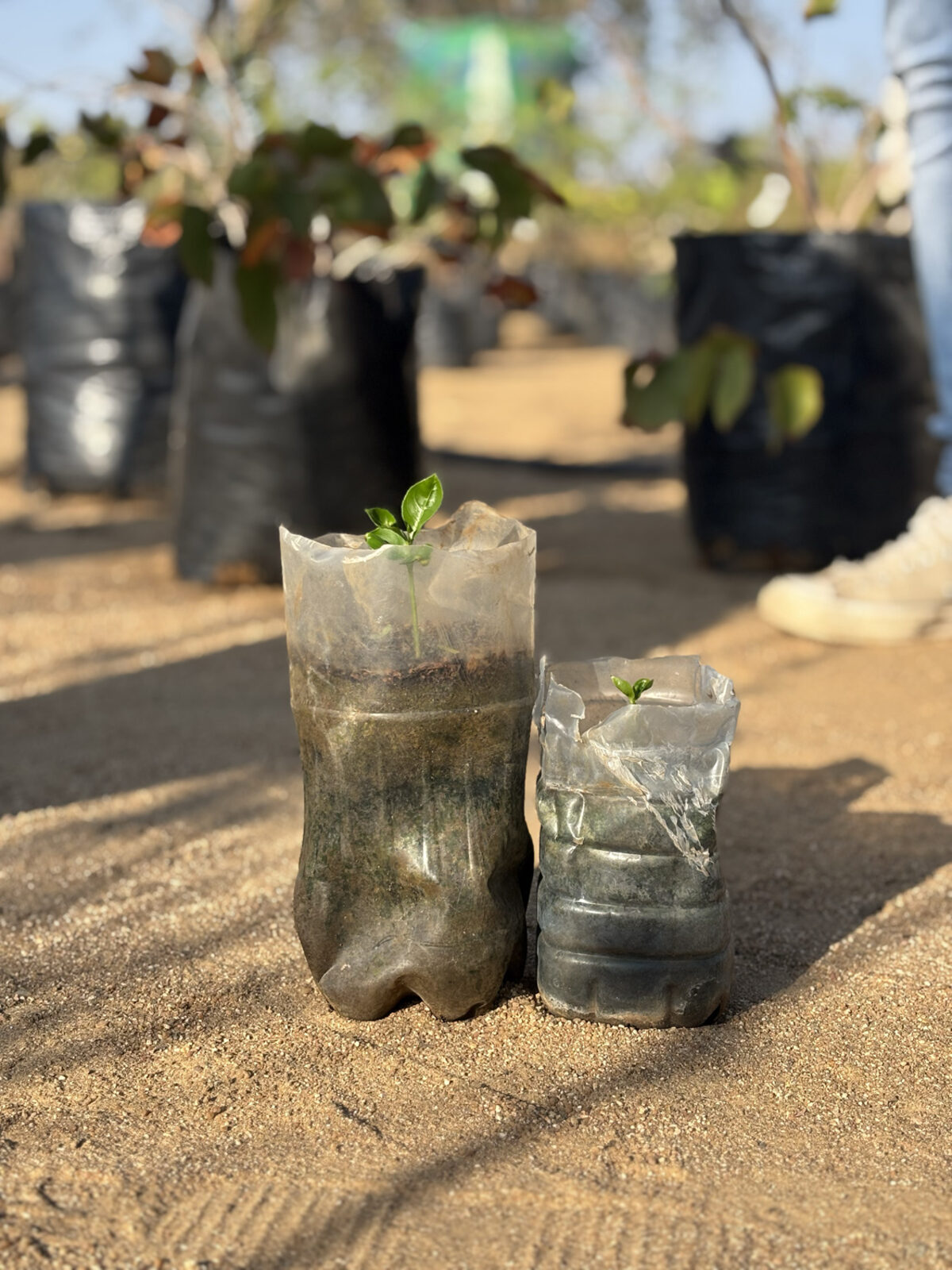
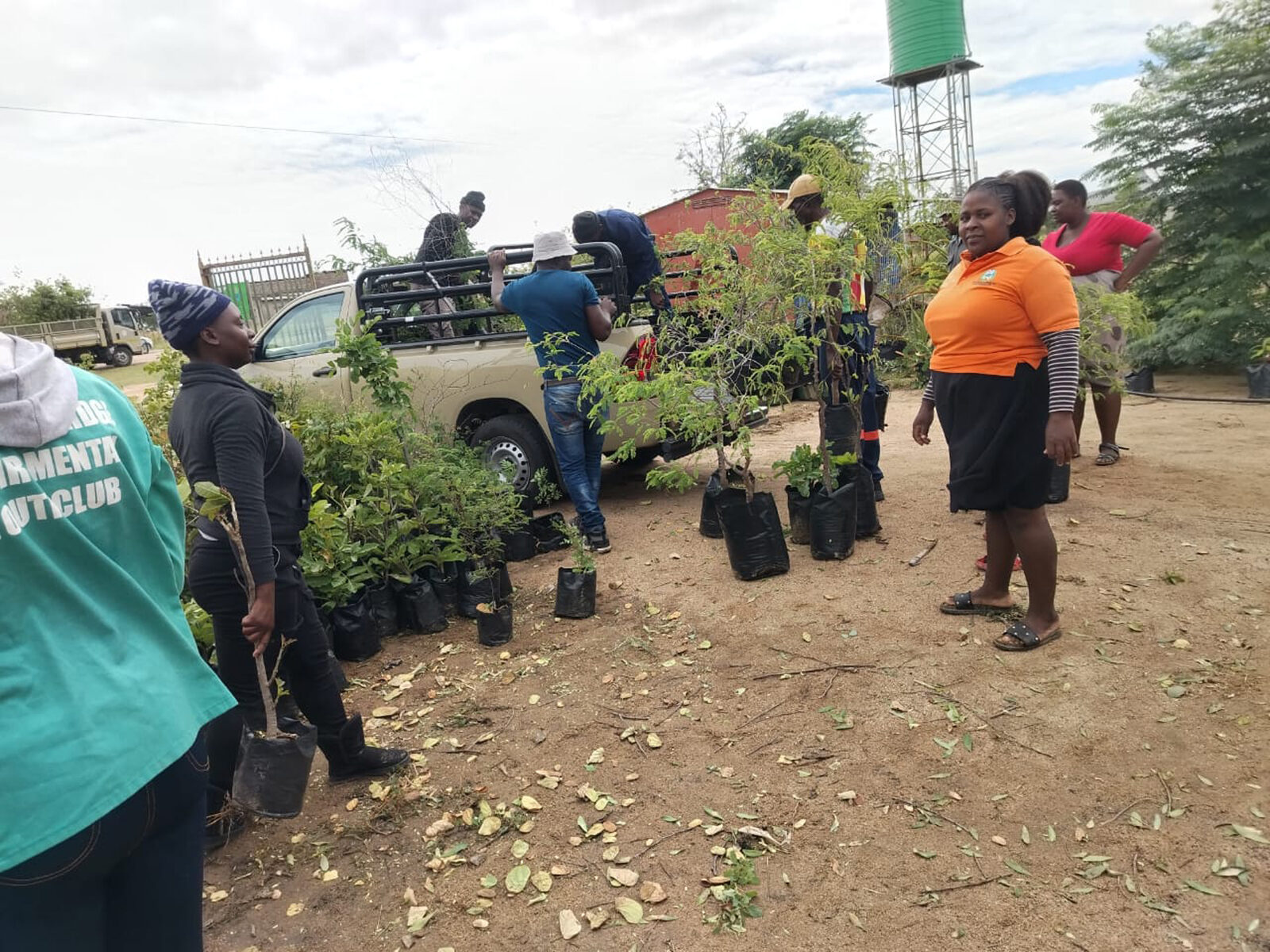
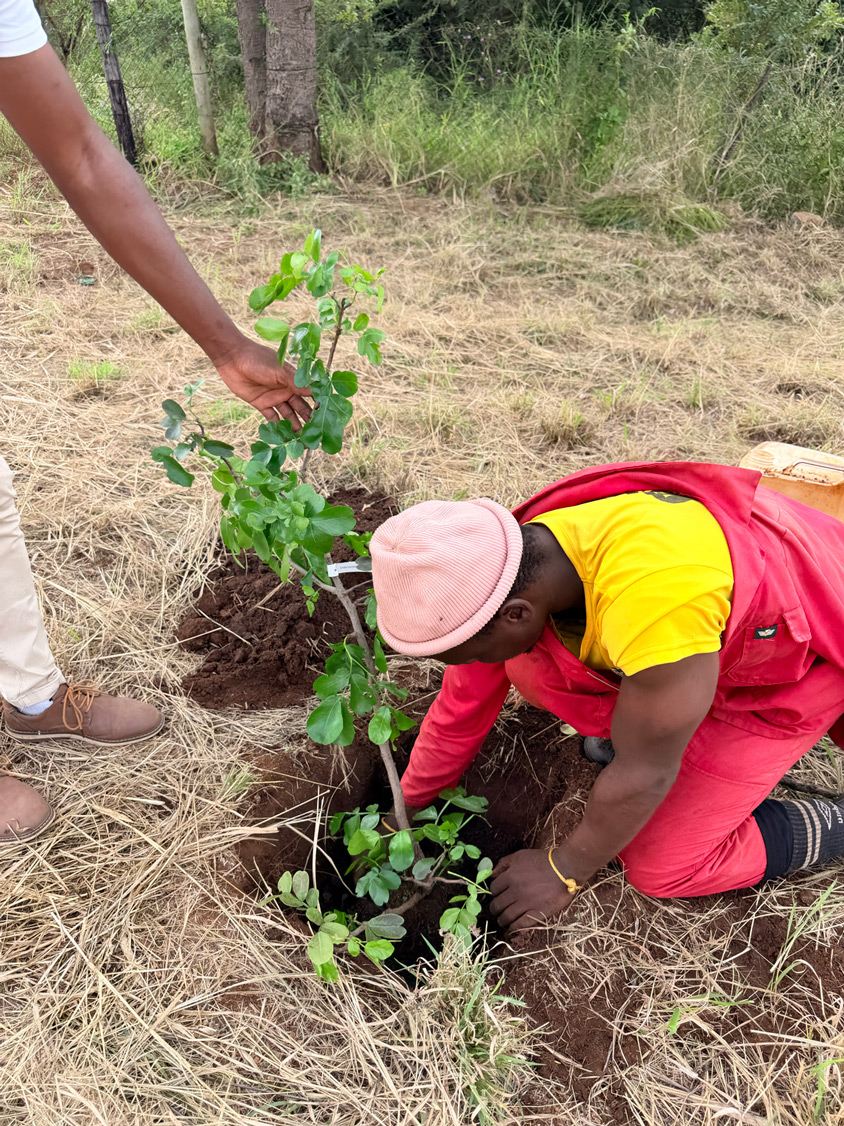
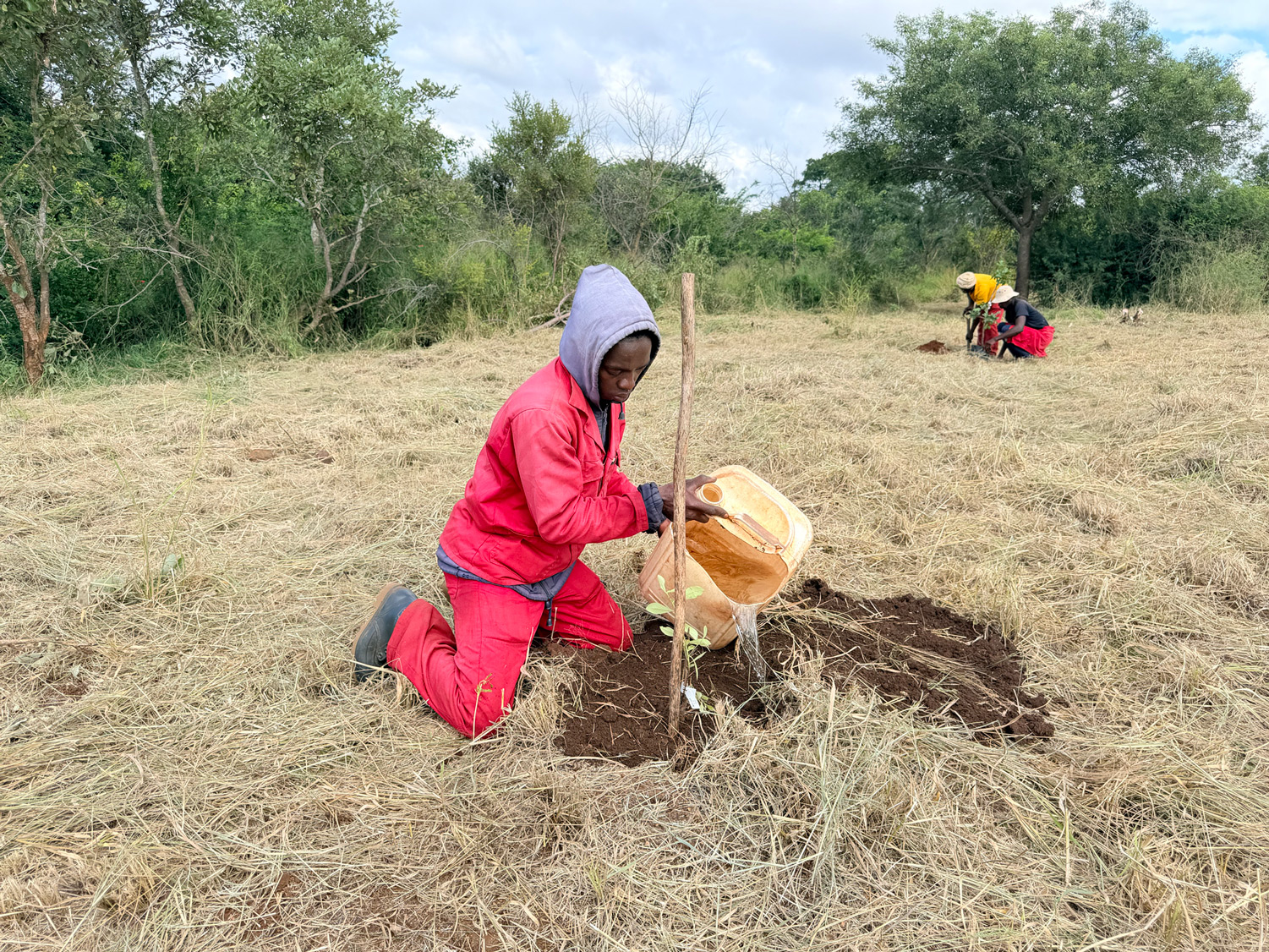
A working nursery needs records, invoices, stock control, irrigation, shade structures, seed banks, and the financial literacy to carry a small business through the lean months. Most of this is learned, not given.
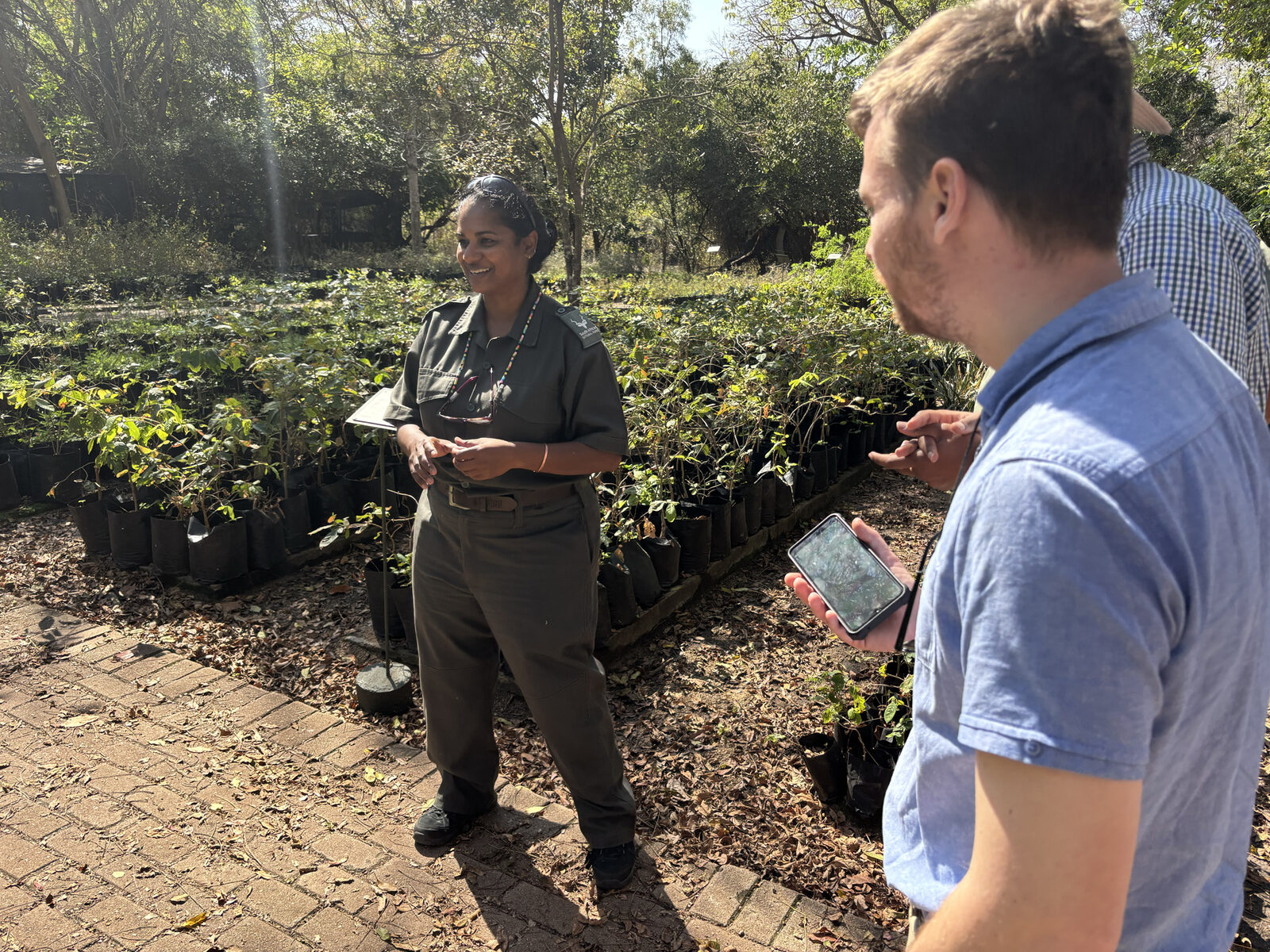
Training is delivered through a partnership between the Good Work Foundation and SANParks. Financial and digital literacy — and the everyday practice of running a nursery as a business — sit with the Good Work Foundation. Technical nursery practice is taught by the SANParks nursery team at Skukuza.
Capacity is one layer. The other is capex. Shade cloth degrades. Irrigation lines need extending. Seed stock has to be maintained. A nursery that produces a few thousand trees today can produce many more with the right investment. Ten thousand trees a year is the foundation, not the ceiling.






We use cookies for anonymized analytics so we can improve this site. See our privacy policy.