Regreen Justicia

Justicia and Huntington plant the first thousand acres.

Our villages. Our trees. Our future.

Plant the tree. The tree keeps the soil. The soil keeps the river. This planting season, the keeping begins in our own yards.

The invitation

This planting season, fifty thousand indigenous trees go into the ground — in our own yards.

Justicia and Huntington are our home, and the gateway to one of the wildest corners of this country. The land here has fed and sheltered our families for generations. But many of our trees have been lost — and with them, the cool, the fruit, the birdsong, the richness of the soil. Regreen Justicia is our invitation to bring them back.

We are looking for families across Justicia and Huntington to become tree custodians — to welcome 40 to 50 indigenous trees into the ground at and around their homes. The trees are grown for you, delivered to you, and planted together with you. From that day, they are yours to nurture and watch grow. You don't pay for the trees.

You give them a place to live, and a little care as they take root. They give back for the rest of your life.
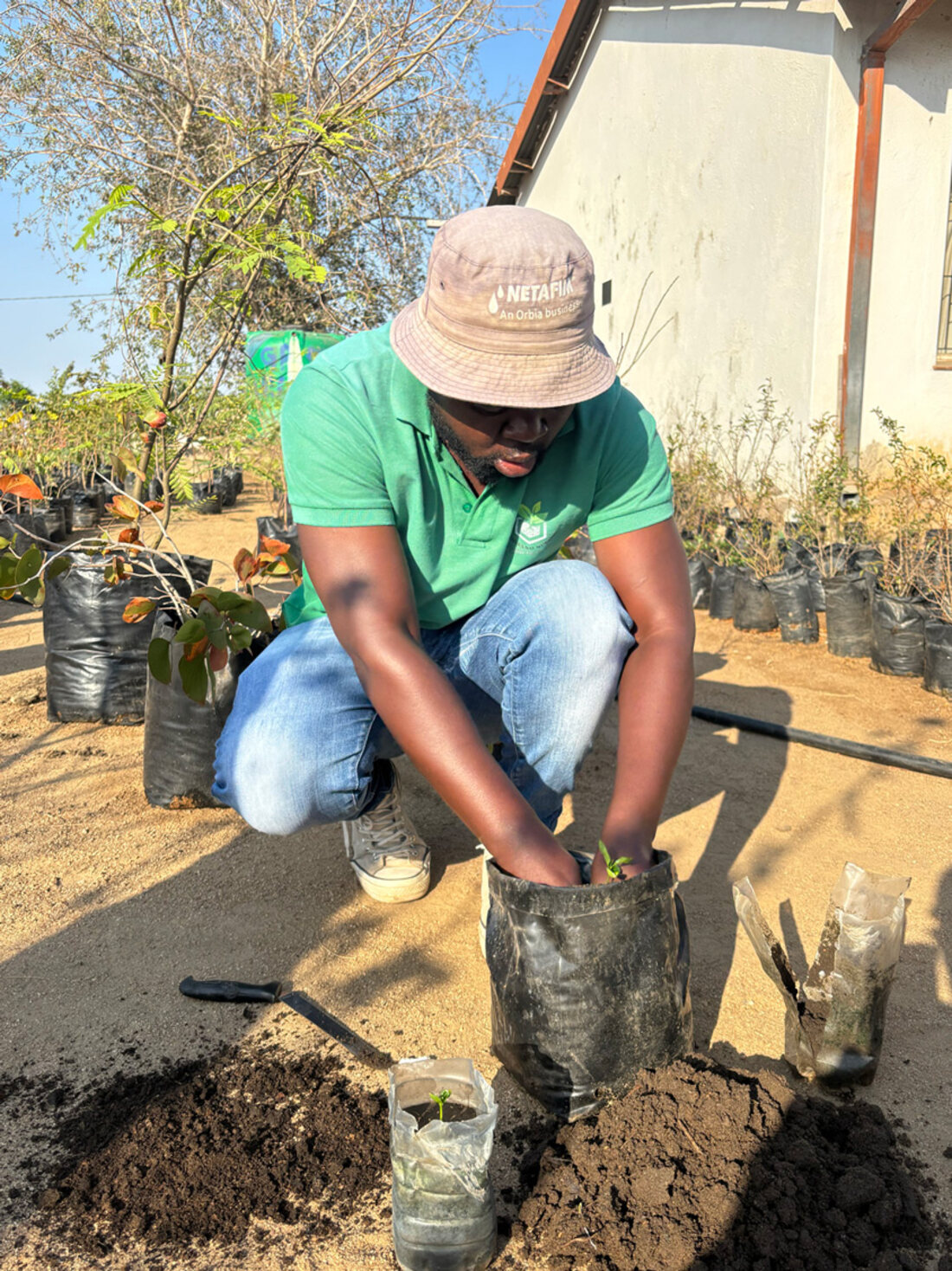
A community member planting an indigenous seedling at a homestead in Justicia
A seedling goes in at home — the first of forty or fifty.
1,000 acres
Villages regreened
50,000
Trees
1,000
Founding custodians
40–50
Trees a home
Oct ’26–Mar ’27
Planting season
Why this matters

What grows in Justicia and Huntington reaches the whole catchment.

Justicia and Huntington sit within the Sabie and Sand River catchments, in the heart of the Greater Limpopo Transfrontier Conservation Area. The water and the soil that leave our villages do not stop here — they run on through the catchment and the wider transfrontier landscape, across into Mozambique and out to the sea. What we keep, the whole catchment keeps.

Trees are how a catchment heals. Roots hold the soil. The soil holds the water. The water keeps the rivers, and the rivers keep the household. Villages that plant and tend their trees are villages mending the catchment they have known their whole lives.

The families who keep the rivers will be the families who keep the forest. It is the same custodianship, carried into the garden.

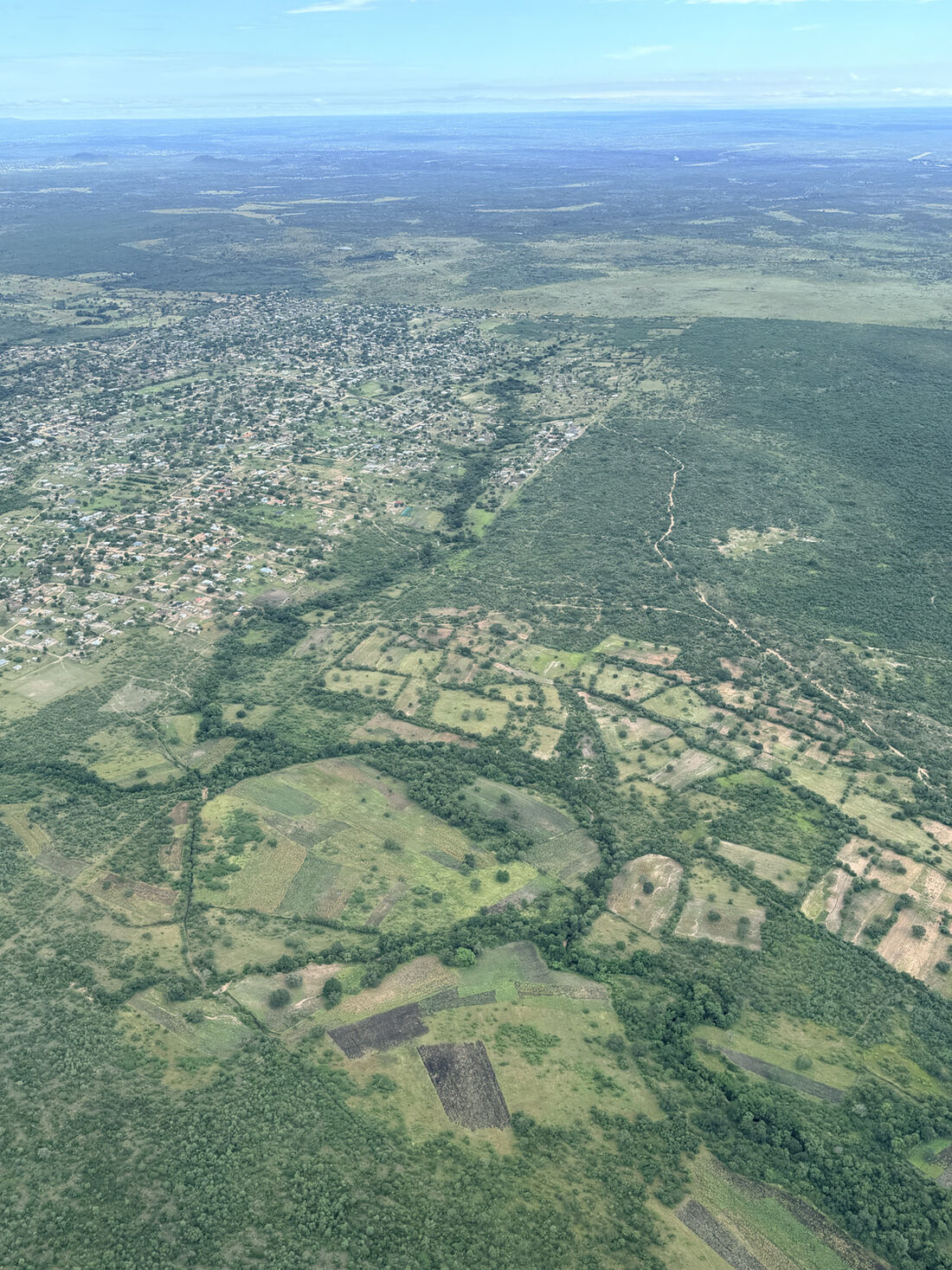
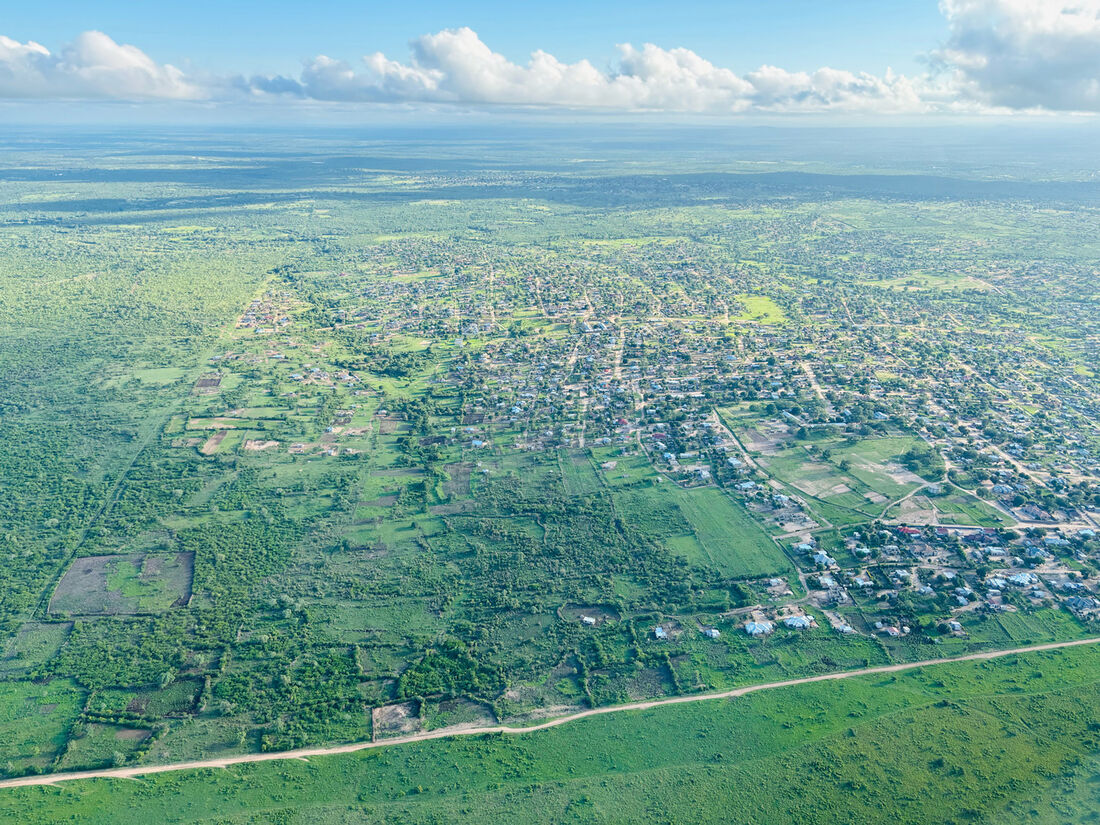
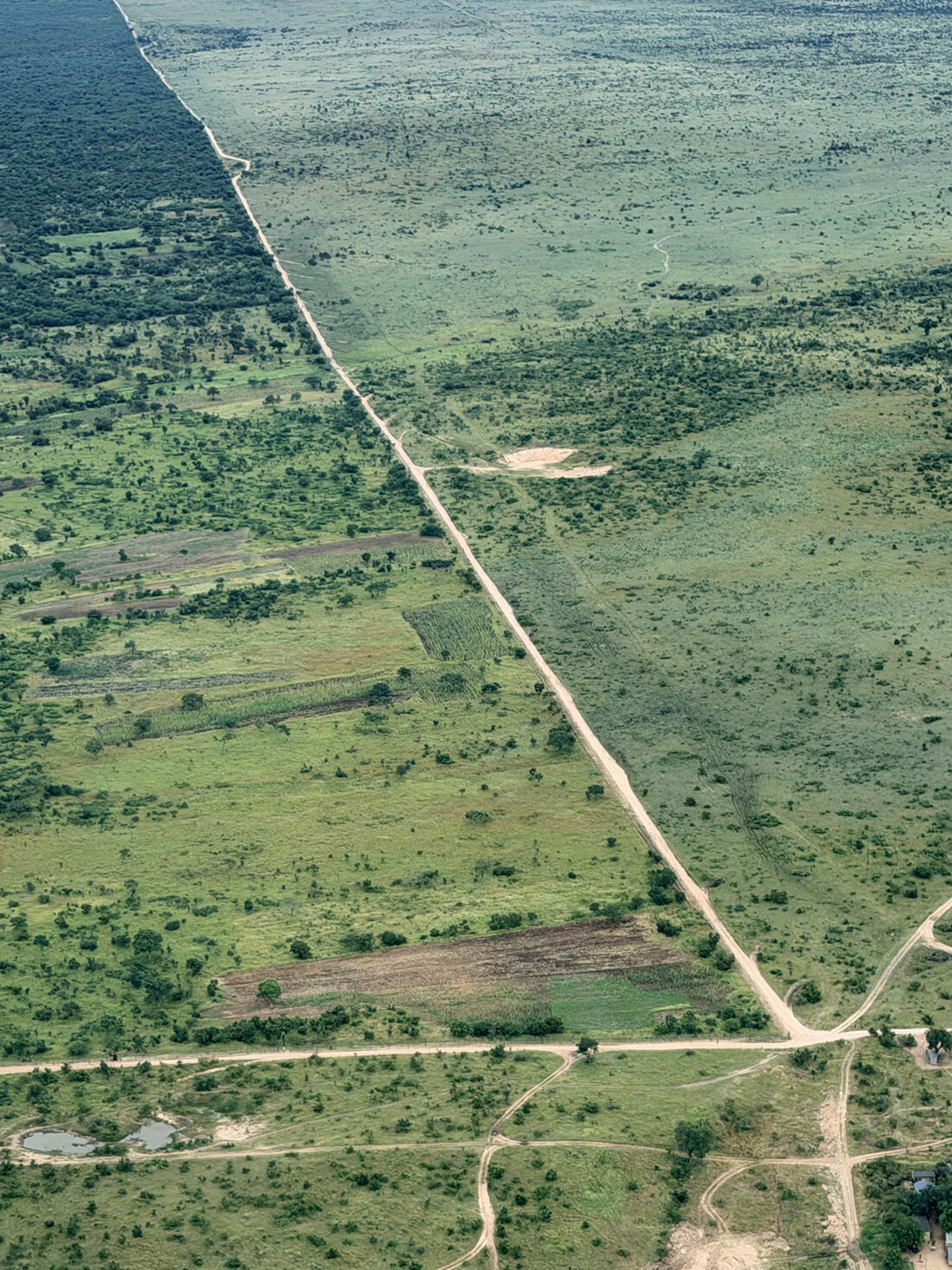
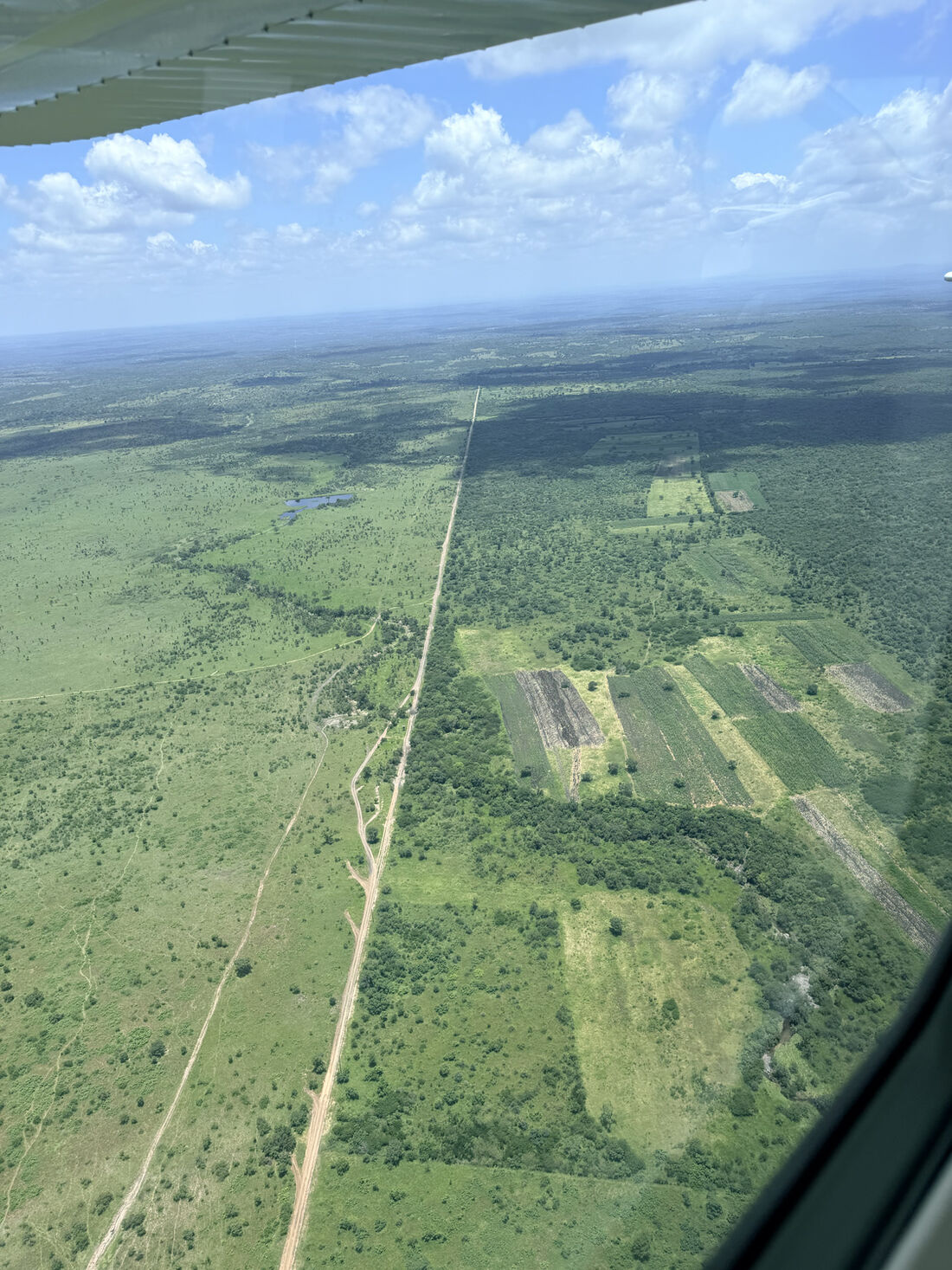
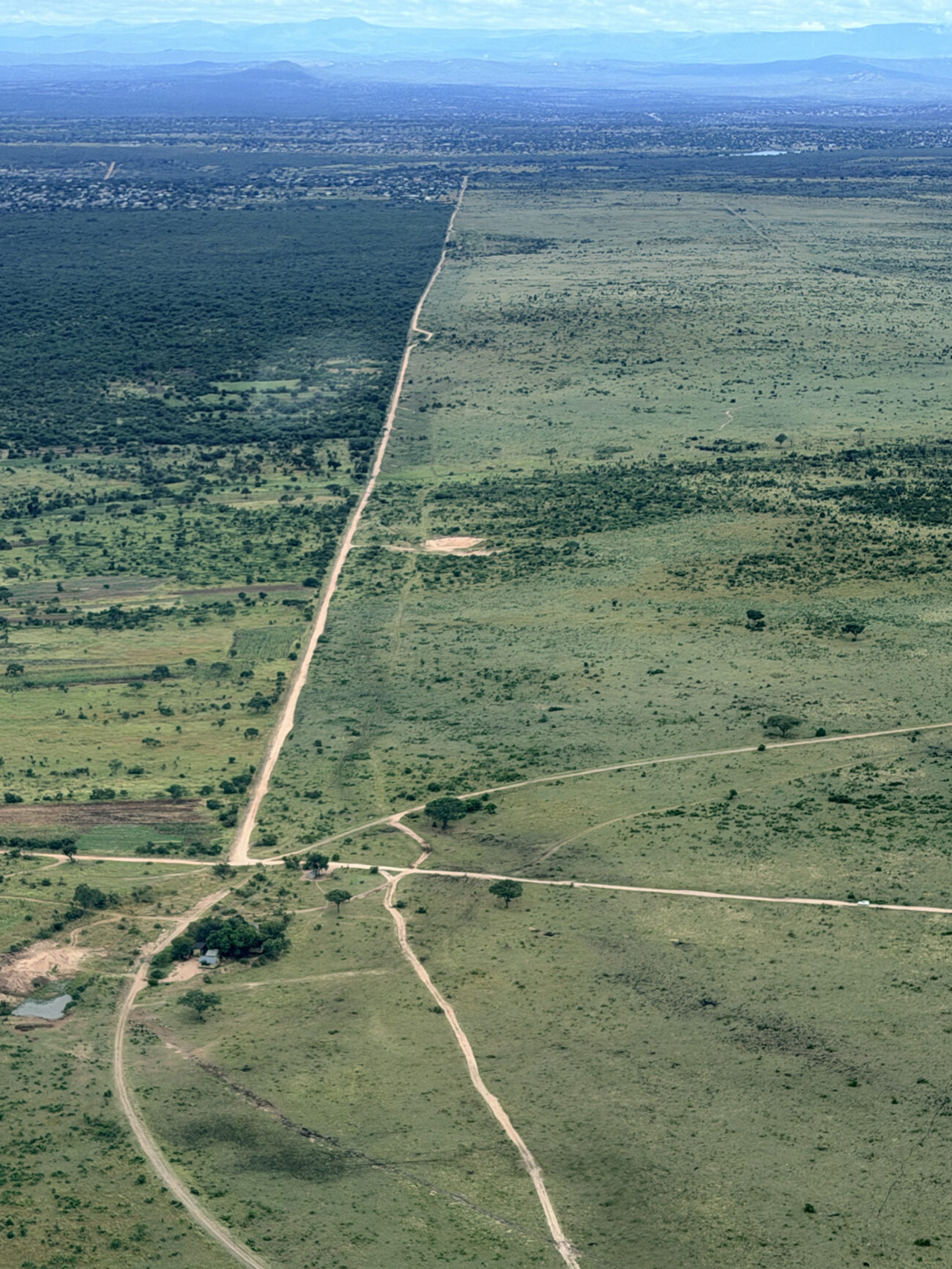
Justicia and Huntington seen from the air, where the villages meet the wider conservation landscape
Where the villages meet the wider conservation landscape of the Greater Limpopo.
The land we are planting

Justicia and Huntington, from the air. Home, and the edge of the wild.

What your trees give back

A tree is a hundred-year asset in your own garden.

Shade and cooler homes
Relief from the heat, for you and your children, year after year.
Fruit and food
Trees that feed a household and bring something to share.
Cleaner air and richer soil
Healthier ground that holds water and resists the dry.
Birds and life returning
A home and a street that feels alive again.
Pride and legacy
Trees you plant today that your grandchildren will sit beneath.
Carbon — a tree that earns its keep
As they grow, your trees pull carbon dioxide from the air and lock it away in wood and soil. That stored carbon can be measured and sold as carbon credits — and the income returns to fund the trees, the nurseries, and benefits for Justicia and Huntington. Your tree works for the climate, and for the community, long after planting day.
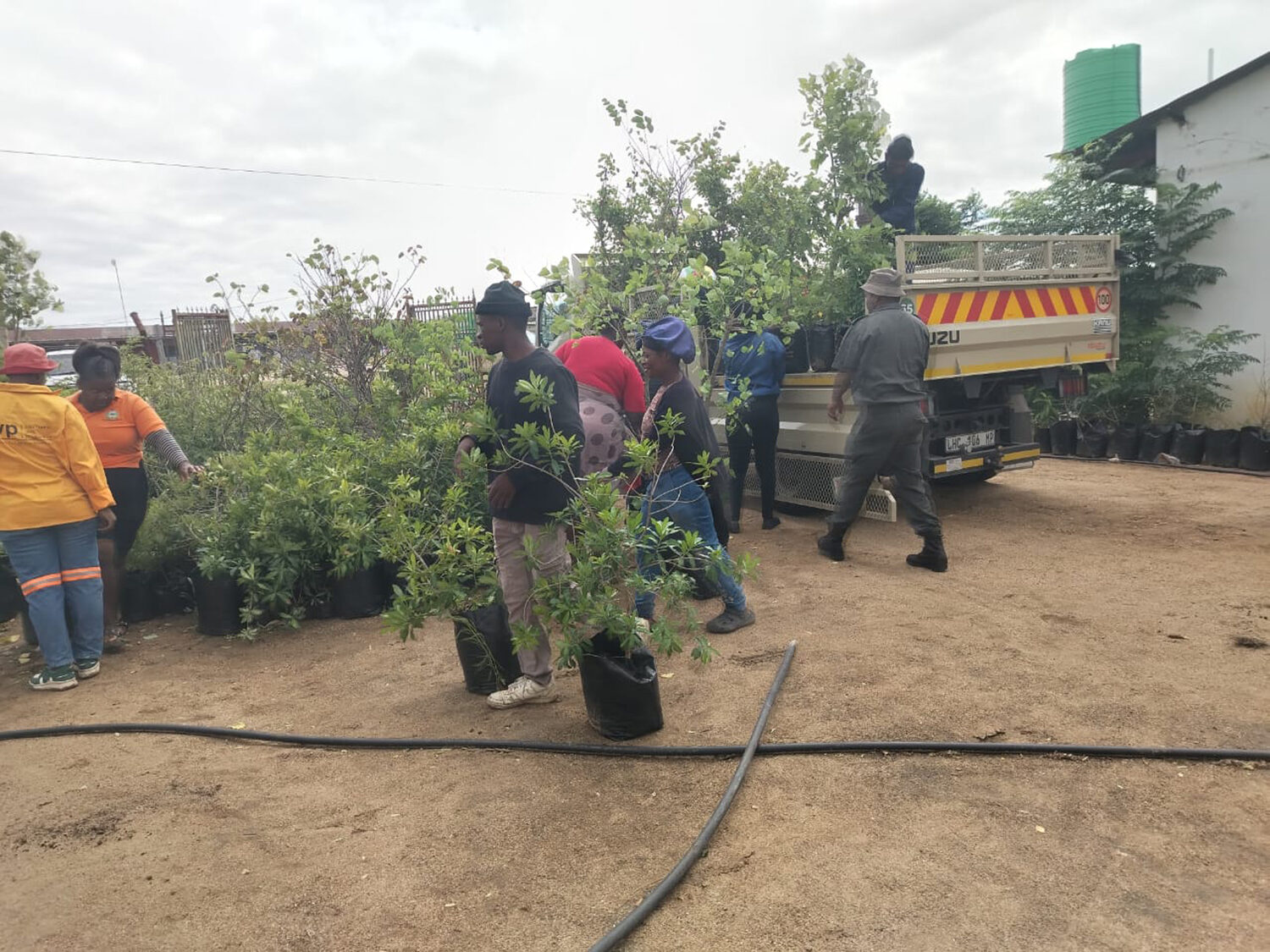
Indigenous seedlings being loaded at the Ntirhisano nursery
Seedlings leaving the Ntirhisano nursery — the trees are grown for you.
What is Save the Sand

Two rivers. Four generations. A forty-year commitment.

Save the Sand is a long-term effort to bring life back to this land and to the Sabie and Sand rivers that run through it. Working hand in hand with the communities who live here, SANParks, and conservation partners across the Greater Limpopo Transfrontier Conservation Area, it aims to plant millions of indigenous trees across the whole catchment in the years ahead.

These rivers feed our homes, our gardens, our livestock and the wildlife next door — and trees are what keep them healthy, holding water in the soil and shade over the ground.

Regreen Justicia is its very first community planting campaign. We start here, at home.

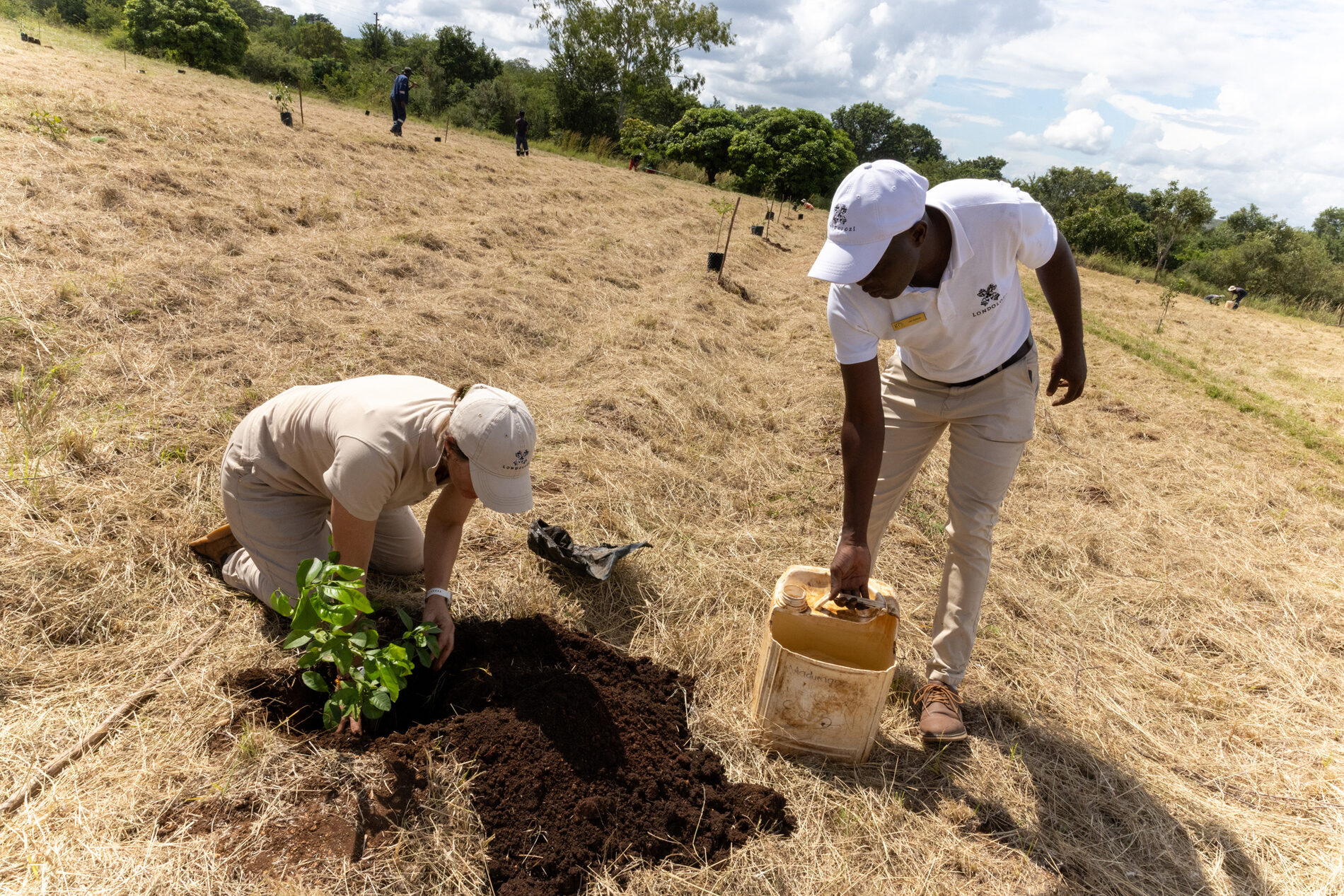
Community members planting indigenous trees together at the Nkhensani Farm pilot
Planting day at the Nkhensani Farm pilot — the model Regreen Justicia brings home to the village.
How to take part

Three steps. One promise.

01 — Sign up
Here, or with your community rep

Add your name on this page, or sign up through your local community representative. There is no cost to take part.

02 — Consent & census
A short conversation

We record your household and your wish to take part, with your permission, so we know how many trees to bring and where they are going.

03 — Plant together
When the rains come

Across the planting season — October to March — we deliver the trees to your home and plant them with you. From that day, they are yours to nurture and grow.

Not in Justicia or Huntington? Neighbours, businesses, schools and partners across the region can help too — by spreading the word, hosting a sign-up, or sponsoring trees for households. Start a conversation with us →

Add your name

Become a tree custodian.

You sign up. We bring the trees and plant them with you. You give them care as they grow — and you become a custodian of something that will outlast us all.

Prefer to talk in person? Sign up here, or through your local community representative. You can also call us on +27 82 821 3968.

Thank you. Your name is in. A Regreen Justicia team member will be in touch about bringing trees to your home this planting season. Swandla swa hlambhisana.
Justicia goes first

A generation that keeps the rivers is learning to keep the forest too.

What we prove here, together, opens the way for every village that follows. The catchment is in our hands.

Swandla swa hlambhisana.
Hands wash each other